

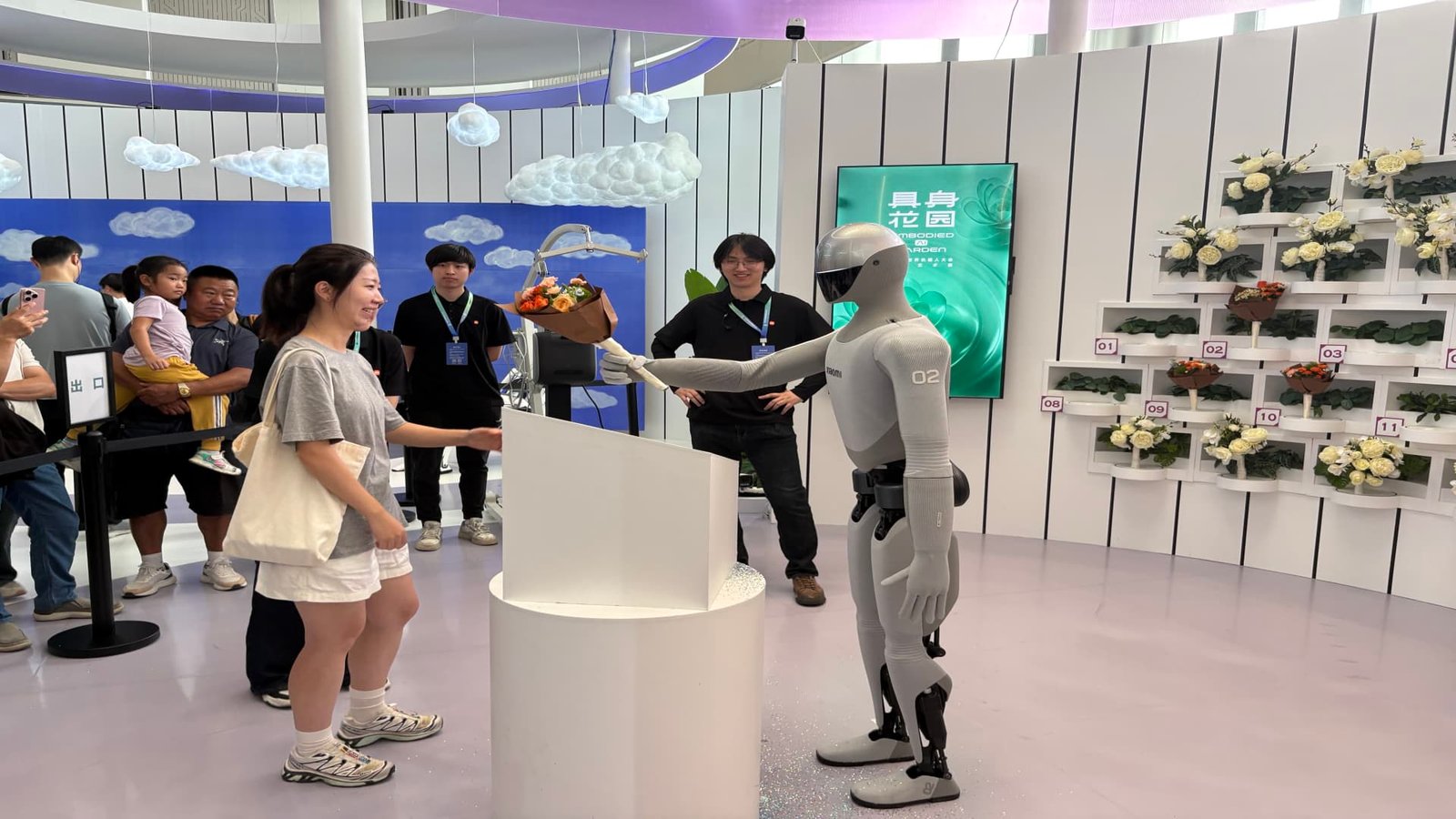
Xiaomi recently unveiled its humanoid robot at the World Humanoid Conference in Beijing, highlighting ongoing challenges within the industry. Leaders in the robotics sector, including Unitree’s founder Wang Xingxing, noted that humanoid robots still struggle to achieve efficiency comparable to humans and often require significant time to learn new skills. This learning curve poses a substantial obstacle for the integration of humanoid robots into the workforce. Following a 460% surge on their initial public offering, Unitree’s shares experienced an 18.7% decline shortly thereafter.
In addition, the U.S. Federal Communications Commission (FCC) has recently added advanced robotic devices, including humanoids, to a list of items with import restrictions. Although the FCC did not specify particular countries involved, it clarified that previously approved models could still enter the U.S. market. Industry experts like Jeff Burnstein, president of the Association for Advancing Automation, argued that the impact of these restrictions is minimal at this stage due to the limited use of humanoids in the country. Most U.S. companies currently prioritize solutions that enhance efficiency regardless of robot type, indicating that the focus is shifting away from humanoids for the time being.
Innovative companies like Keenon are developing humanoid robots designed to complement simpler automation solutions, such as delivery robots used in hotel laundry services. COO Wan Bin emphasized the difficulty in achieving high completion rates for tasks—highlighting the need for robust engineering and effective training. Keenon has already shipped over 100,000 robots and anticipates reaching 150,000 by the end of next year.
Why this story matters:
- Advances in humanoid robotics could reshape workforce dynamics.
Key takeaway:
- Humanoid robots face significant technological and operational challenges before widespread adoption.
Opposing viewpoint:
- Some industry leaders prioritize traditional robotic solutions over humanoids due to current inefficiencies.