



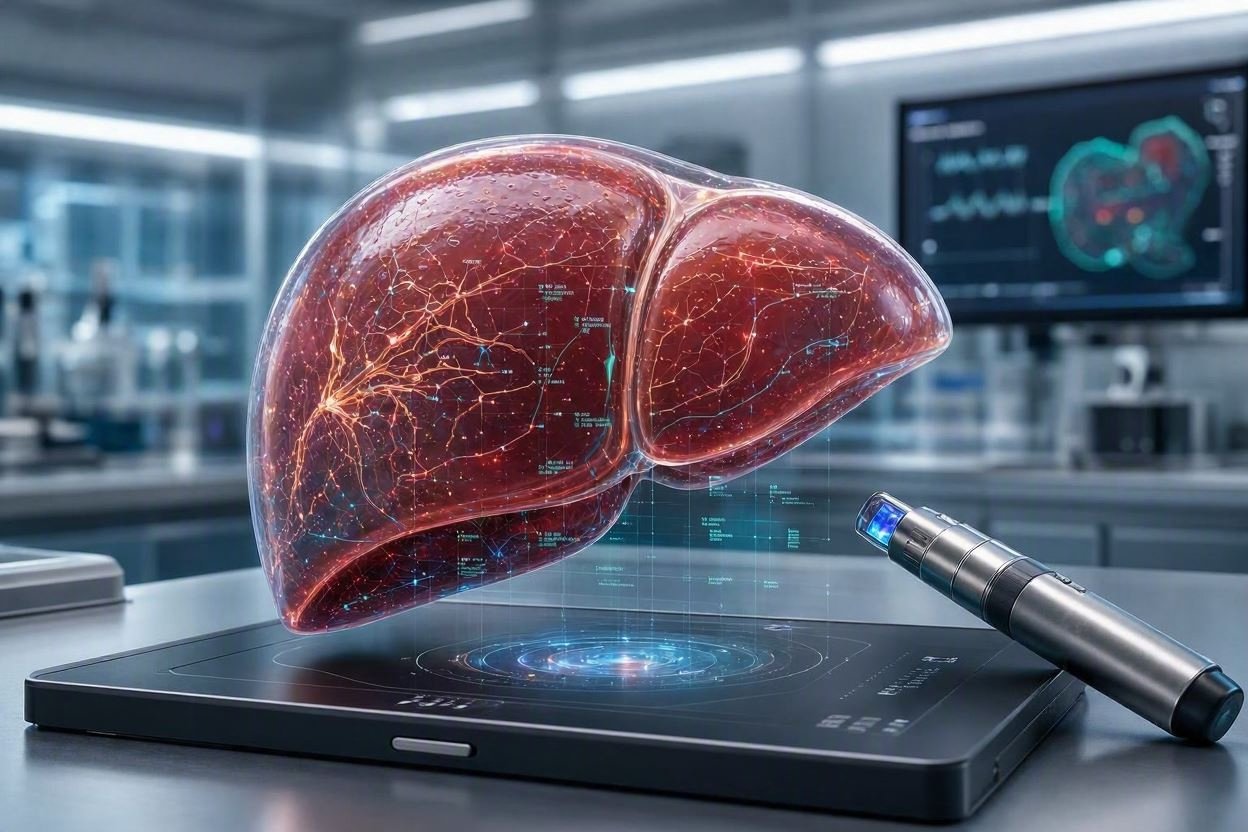
A new approach in drug testing is emerging, utilizing virtual patients to enhance the safety and efficacy of experimental medicines before they reach human trials. This innovative concept aims to simulate various demographics, including different ages, health conditions, and states, allowing researchers to observe how virtual bodies react to specific drugs. By unveiling potential adverse effects beforehand, this method seeks to minimize risks associated with human trials.
The U.S. government has made significant financial commitments toward this technology. The Advanced Research Projects Agency for Health (ARPA-H) is investing up to $125 million in a program known as CATALYST, which aims to predict drug safety and response. This funding will support interdisciplinary teams working on understanding how drugs behave within the body, including their effects on various organs.
Among the promising initiatives, Draper Laboratory is blending patient records and lab-grown organs to forecast individual responses to treatments. Similarly, the University of North Carolina is developing models that account for the complexities of drug effects during pregnancy, a critical area of concern for both maternal and fetal health.
Private companies are also joining the effort. For instance, GenBio AI has introduced a virtual-cell system named AIDO Cell, which integrates biological data to assess a drug’s impact at the cellular level. While these models are still in development, they represent a significant step toward more efficient drug testing that could eventually diminish the reliance on animal models.
Challenges remain, particularly in gaining regulatory acceptance from the FDA, which will assess the reliability and biological accuracy of these virtual models. However, if successful, this new strategy could revolutionize drug development by providing detailed insights into human biology.
Why this story matters:
- Advances in drug testing could lead to safer medications and reduced reliance on animal testing.
Key takeaway:
- Virtual patients have the potential to transform how drugs are tested and developed, prioritizing human-centric data.
Opposing viewpoint:
- Critics argue that virtual models may not fully capture the complexity of human biology, potentially overlooking rare side effects or intricate organ interactions.