

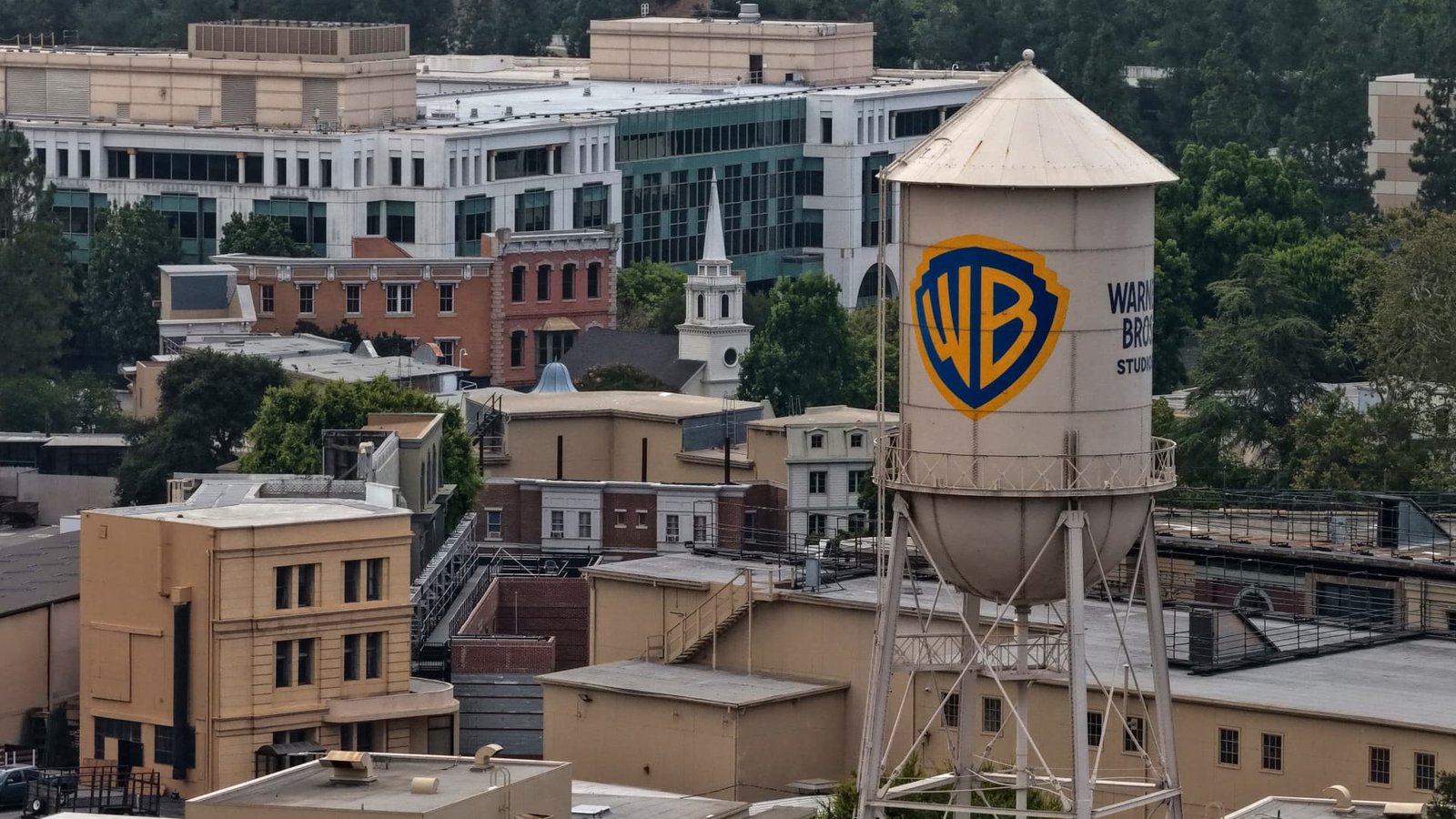
Warner Bros. Discovery (WBD) faces significant challenges as it navigates a complex merger process with Paramount. Initially, WBD announced plans to split its operations into two separate publicly traded entities—Warner Bros., which would include its streaming and film units, and Discovery Global for its linear TV networks. However, that plan has been stalled amid ongoing antitrust scrutiny, leading to uncertainty about the company’s future.
During a recent earnings call, WBD CEO David Zaslav emphasized the importance of driving the company’s value ahead of the merger, as California Attorney General Rob Bonta has moved to block the deal on legal grounds. If approved, Paramount has agreed to pay $31 per share in a deal valued at $110 billion, which would bolster WBD financially. However, the deal’s future remains uncertain following failed settlement talks related to antitrust concerns.
Despite these hurdles, WBD retains operational flexibility while awaiting merger progress, allowing it to engage in licensing agreements and partnerships. The demand for its content remains high, and the company has successfully licensed key titles from its HBO library to other platforms. However, the delay in the merger raises concerns about WBD’s ability to compete with larger media players. Analysts suggest that without consolidating its streaming services, both WBD and Paramount could struggle to gain traction against major competitors like Disney and Amazon.
While WBD’s assets remain appealing to potential buyers, including its New Line Cinema subsidiary, the ongoing regulatory scrutiny poses significant risks to future mergers and acquisitions, potentially limiting WBD’s strategic options.
Why this story matters:
- The outcome of the WBD-Paramount merger could reshape the media landscape amidst increasing competition.
Key takeaway:
- The uncertainty around the merger impacts WBD’s strategy and operational flexibility as it navigates potential pitfalls.
Opposing viewpoint:
- Some analysts argue that separating the entities may allow for more focused and agile operations, potentially benefiting both companies in the long run.