



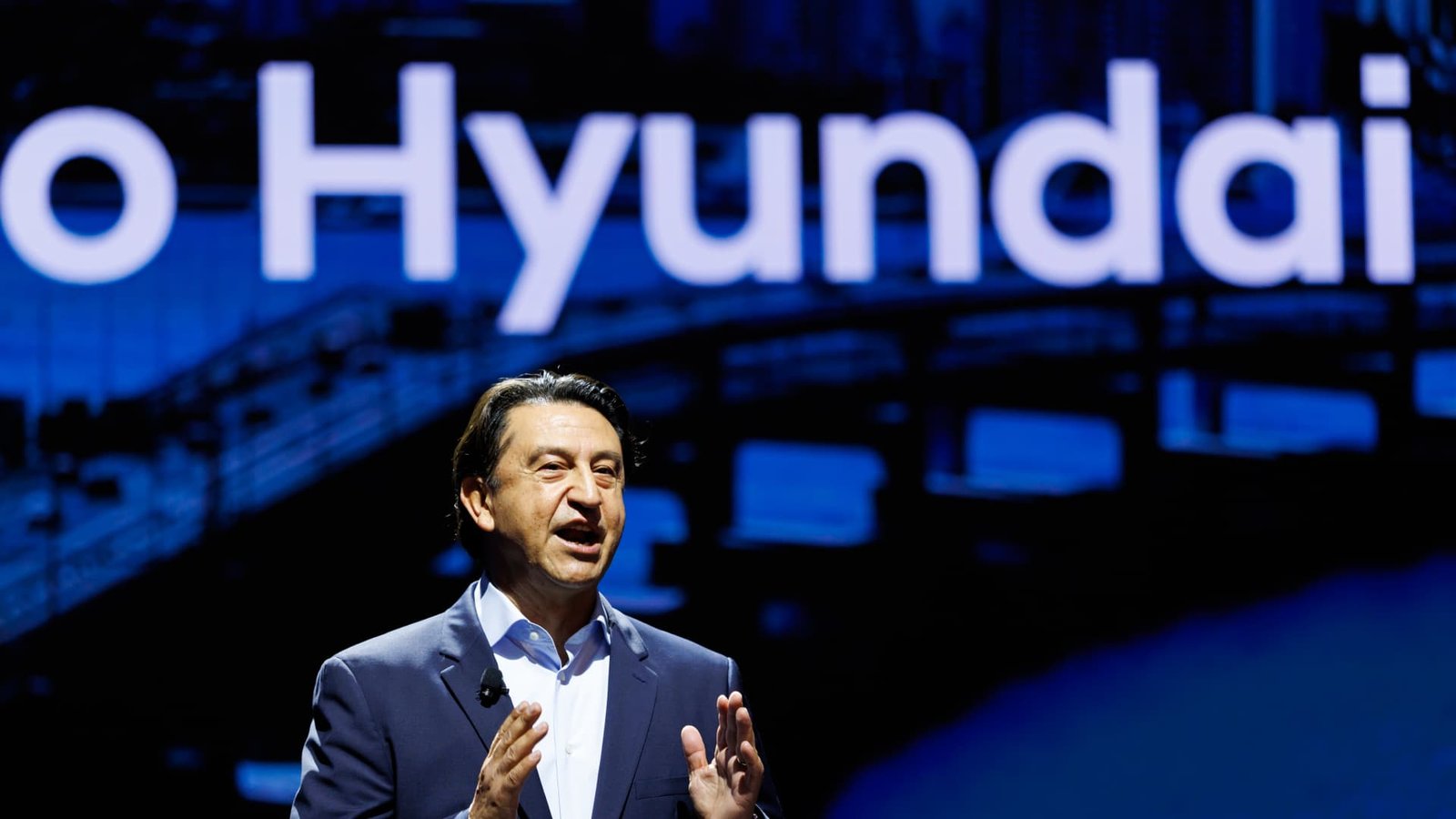
Hyundai Motor Co. is poised for continued growth in the U.S. automotive market, driven by ambitious expansion plans and a strategic focus on domestic production. At a recent unveiling event for the new Genesis GV90 SUV, CEO José Muñoz highlighted the company’s "mueos-ideun ganeunghada" philosophy, meaning "anything is possible," as a guiding principle for the automaker’s evolving U.S. ambitions.
Since 2020, Hyundai has experienced a notable increase in its U.S. market share, rising from 8.4% to 11.2% last year, now holding a 11.8% share for the first half of this year. This growth has positioned Hyundai as the fourth best-selling automaker in the U.S., with a 50% increase in sales, even as many competitors faced declines. Hyundai’s success can be attributed to enhanced vehicle quality, customer focus, and increased production capacity, as the company ramps up its new $7.6 billion plant in Georgia.
Muñoz stated that the plant will potentially increase production capacity from 500,000 to 800,000 units by 2028, aiming for 80% of vehicles sold in the U.S. to be produced domestically by the decade’s end. The company plans a comprehensive $26 billion investment in the U.S. through 2028 and intends to launch more than 100 vehicles by 2030, enhancing its electric and luxury offerings. The Genesis brand, in particular, has seen rapid growth, underscoring Hyundai’s commitment to transform its image from budget options to competitive luxury vehicles.
Hyundai executives acknowledge the importance of adaptability and the need to meet evolving consumer expectations in the competitive U.S. automotive market.
– Why this story matters: Hyundai’s growth reflects its competitive resurgence in the U.S., amidst challenges faced by other automakers.
– Key takeaway: A strategic focus on domestic production and diverse vehicle offerings positions Hyundai favorably for future growth.
– Opposing viewpoint: Some industry observers contend that accelerated growth may compromise quality and consumer trust in the long run.