



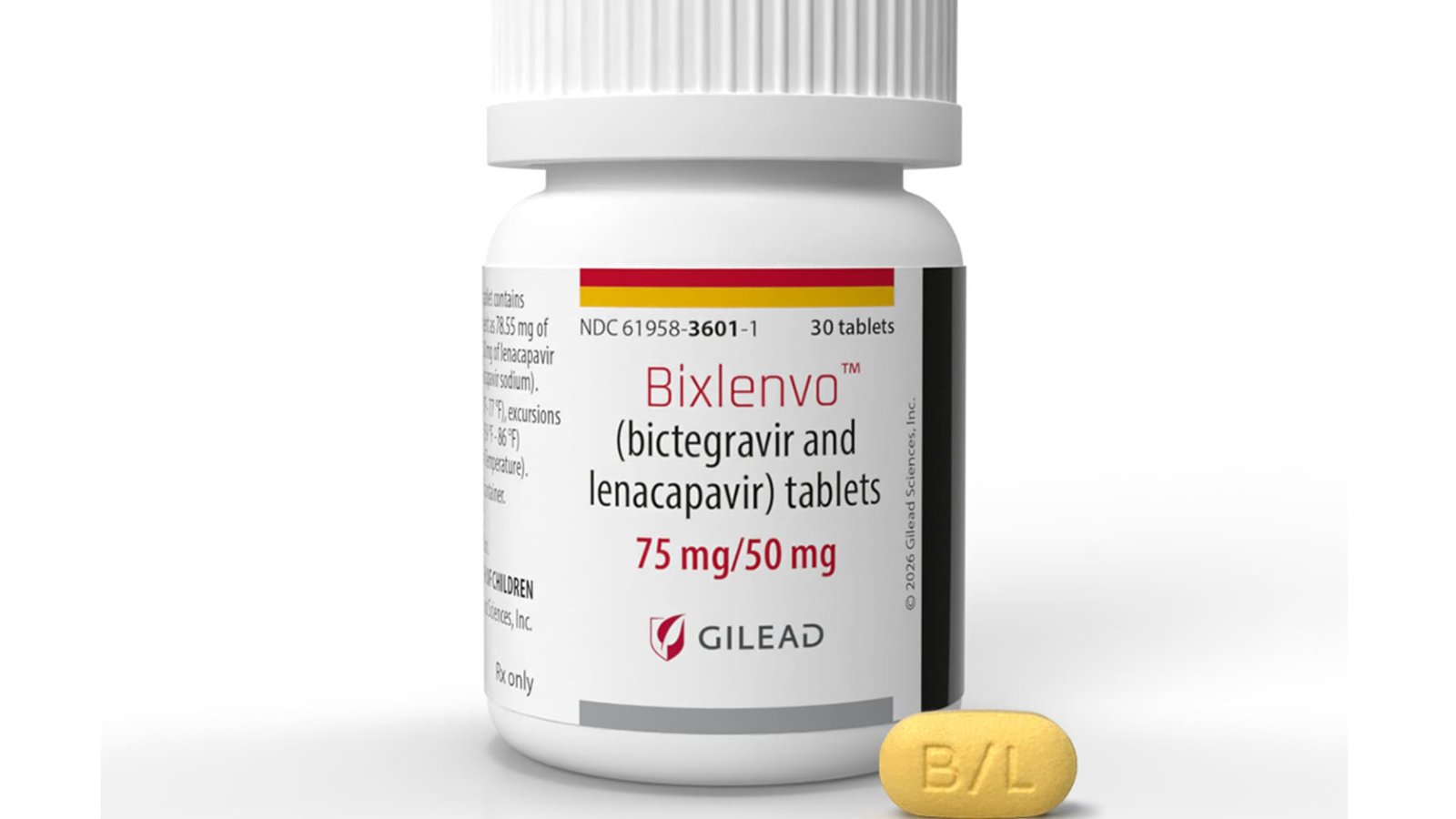
The U.S. Food and Drug Administration has approved Bixlenvo, a new once-daily HIV pill developed by Gilead Sciences, designed to simplify treatment for patients whose viral infection is already under control but who are on complex medication regimens. This innovative tablet combines bictegravir—found in Gilead’s widely-used HIV drug Biktarvy—with lenacapavir, a novel capsid inhibitor essential to Gilead’s long-term HIV treatment strategy.
Bixlenvo is targeted toward a specific patient population, accounting for approximately 5% of those living with HIV in the U.S. These individuals may require more complicated treatment due to drug resistance, side effects, or interactions with other medications. The pill offers an opportunity for patients to switch treatments or consolidate their medications into a simpler daily routine.
Priced at $4,595 for a 30-day supply, the medication aligns with other single-tablet HIV treatment options. Gilead offers support programs for patients without insurance or those facing high co-pays. Dr. Jared Baeten, Gilead’s head of clinical development, emphasized the importance of providing diverse treatment options tailored to individual patient needs, especially as many patients age and face additional health complications.
Bixlenvo has demonstrated comparable viral suppression rates to existing regimens in clinical trials, maintaining efficacy with a favorable safety profile. Patients, such as Timothy Cameron, who participated in a Phase 3 trial, reported positive experiences, highlighting reduced pill burden and effective virus control as key benefits.
Bold Points:
- Why this story matters: It addresses an ongoing need for simplified HIV treatment options, especially for those with complex cases and long treatment histories.
- Key takeaway: Bixlenvo aims to provide both a new treatment alternative and a streamlined regimen for certain HIV patients.
- Opposing viewpoint: Critics may argue that the high price tag of Bixlenvo could limit access, despite available support programs for uninsured patients.