


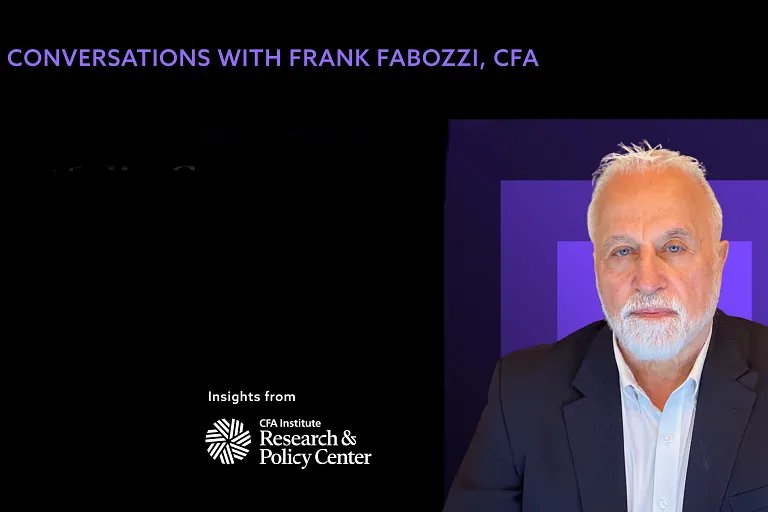
In a recent episode of "Conversations with Frank Fabozzi," industry experts Lev Dynkin and Arik Ben Dor discussed the evolution and significance of systematic credit investing. Both speakers, with extensive experience at Barclays, outlined how quantitative approaches in fixed income markets have become increasingly viable, influencing modern portfolio construction.
Dynkin and Ben Dor highlighted the importance of integrating insights from both equity and credit markets to enhance investment decision-making and improve overall portfolio performance. They emphasized the revolutionary concept of Duration Times Spread (DTS), which has transformed how investors assess and manage credit risk.
The conversation stressed the critical transition from theoretical research to practical implementation, noting that while strong signals and rigorous backtests are essential, they alone do not ensure an effective strategy in real-world conditions. The experts also pointed out the necessity of addressing liquidity constraints and the limitations of quantitative models, particularly in light of lessons learned from past financial crises.
Looking ahead, Dynkin and Ben Dor predicted that advancements in artificial intelligence, machine learning, and the development of integrated equity-credit portfolios could significantly reshape systematic investing over the next decade. This ongoing evolution reflects a broader trend towards using data-driven approaches to refine investment strategies across asset classes.
Why this story matters: It highlights the growing importance and viability of systematic credit investing in today’s markets.
Key takeaway: Effective portfolio construction requires a combination of quantitative analysis, risk management, and practical implementation strategies.
Opposing viewpoint: Some investors remain skeptical about the reliability of quantitative models, particularly in volatile market conditions.