



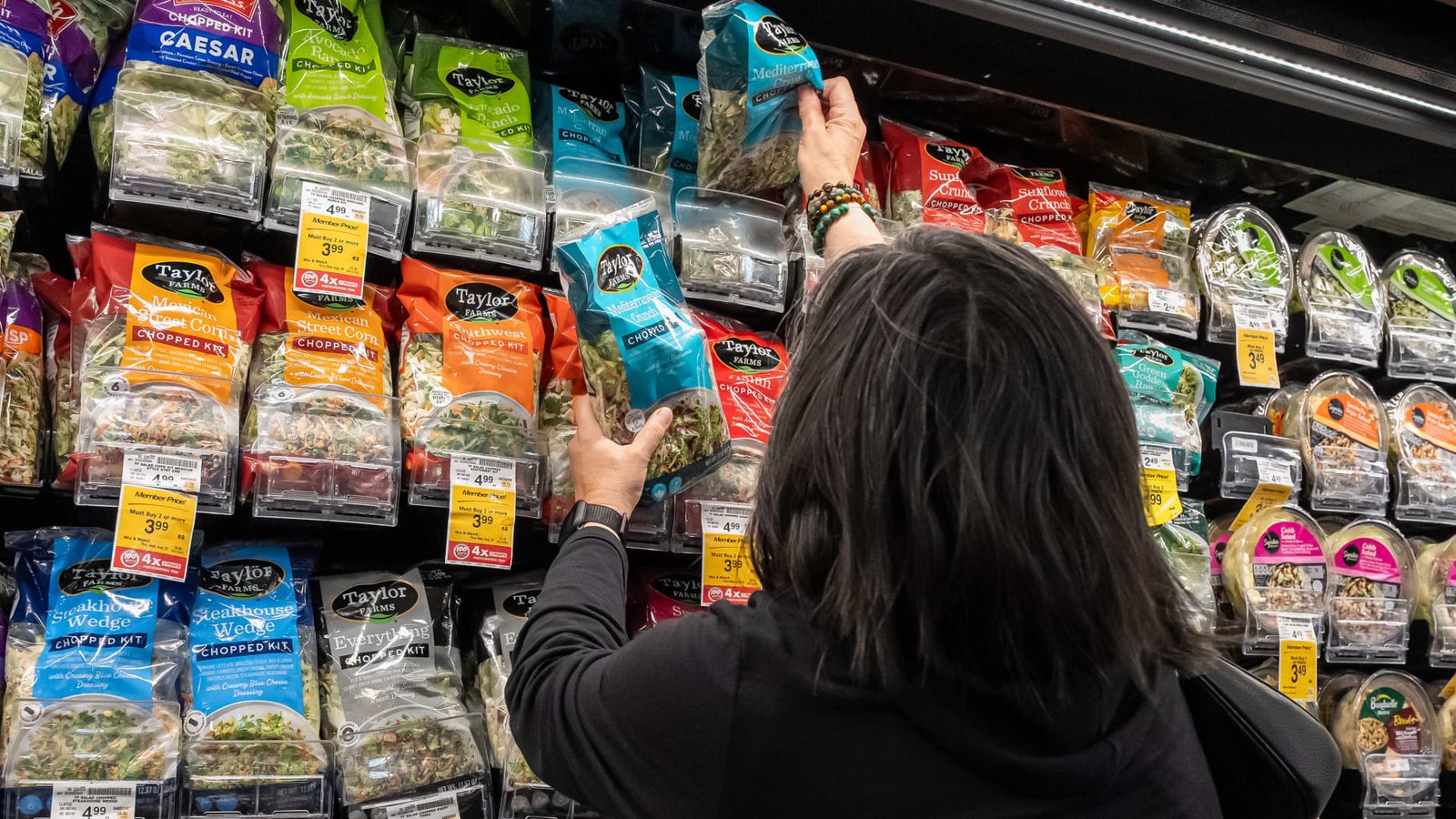
A widespread cyclospora outbreak in the United States has raised concerns about the role of major suppliers like Taylor Farms in the food supply chain. The Food and Drug Administration (FDA) has associated the outbreak with iceberg lettuce processed at Taylor Farms’ facility in central Mexico, spurring scrutiny of the company, which is one of the world’s largest producers of fresh-cut vegetables and salads. Taylor Farms services significant grocery chains and restaurant giants, including Walmart, Kroger, and Chipotle, contributing to approximately 40% of salad kits sold in grocery stores.
Founded in 1995, Taylor Farms has expanded significantly through acquisitions, establishing itself as a key link between family farms and major food corporations. This scale has both operational advantages and heightened risks; as noted by restaurant industry experts, larger suppliers streamline operations for big chains, making their services indispensable. However, such consolidation can obscure food safety issues. The ongoing FDA investigation into the outbreak reflects the challenges associated with large-scale food distribution, where a single contamination incident can have widespread repercussions.
In response to the outbreak, Taylor Farms has suspended sourcing of iceberg lettuce from Mexico and is engaging independent experts to review its food safety practices. The company reported that it invests over $200 million annually in food safety measures.
The situation highlights the complexities of food safety in an increasingly consolidated industry and raises questions about regulatory oversight amid significant political contributions by large food companies.
Why this story matters:
- The outbreak illustrates the risks associated with large-scale food supply chains and their impact on public health.
Key takeaway:
- Taylor Farms’ significant role in the food supply chain raises concerns about food safety and regulatory oversight.
Opposing viewpoint:
- Some experts argue that consolidation helps ensure a consistent food supply, although it can also obscure the sources of contamination.