


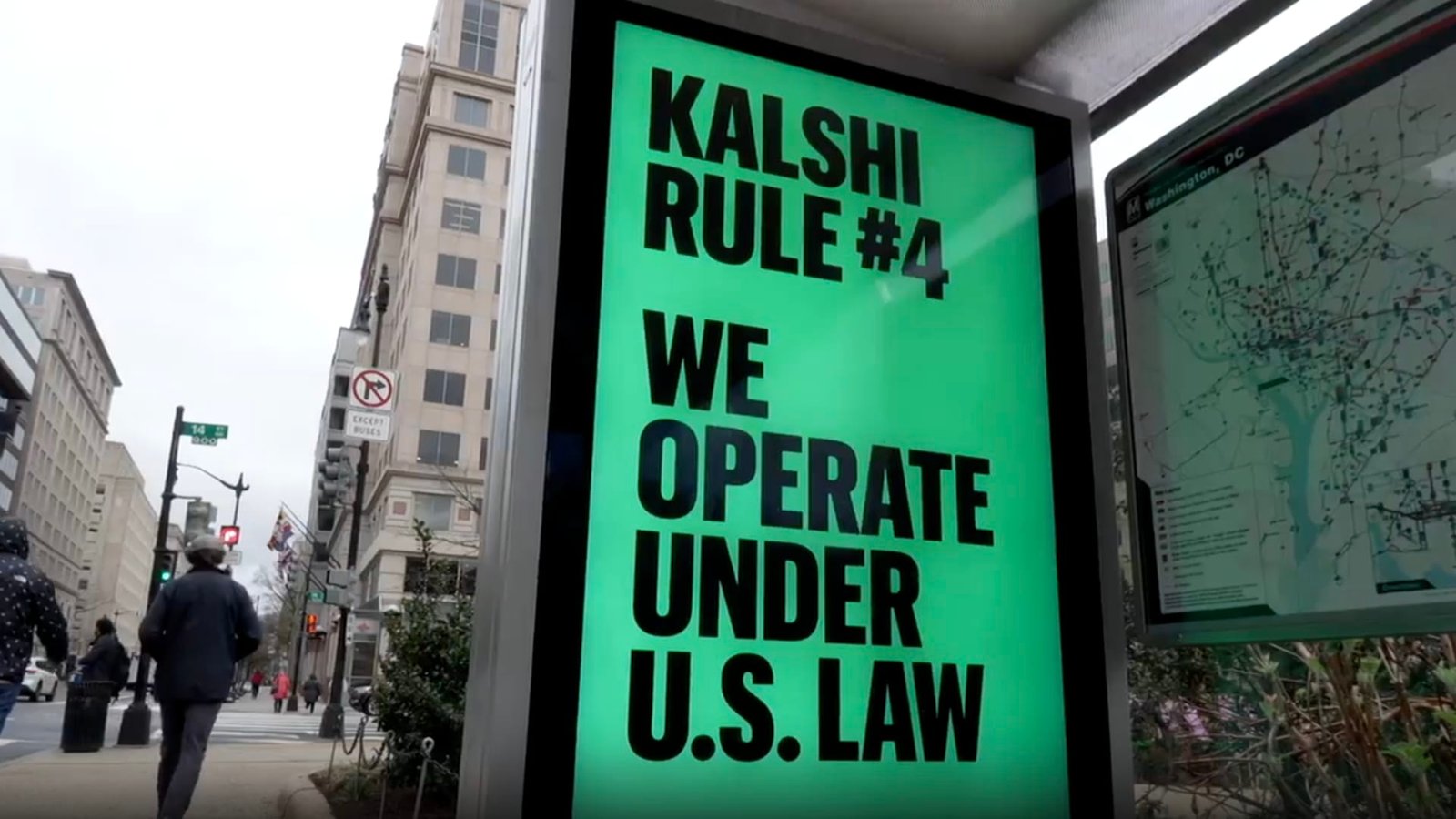
The 9th U.S. Circuit Court of Appeals has declined to grant prediction market platforms Kalshi and Crypto.com relief from the Nevada Gaming Control Board’s decision to suspend their operations. The court determined that sports-related event contracts should not be classified as derivatives regulated by federal law. This ruling comes amidst claims from 44 states that these platforms are essentially offering gambling services outside the established gaming framework.
The Commodity Futures Trading Commission (CFTC), which regulates swaps and derivatives, had contended that event contracts offered by these platforms should fall under its jurisdiction. However, the court ruled that these contracts were merely sports bets, not derivatives. Nevada’s Attorney General hailed the decision as a significant victory, emphasizing that the platforms attempted to evade state regulations by labeling their products as federally regulated financial instruments.
The CFTC expressed disagreement with the ruling, asserting that the court had mischaracterized the nature of sports-related event contracts. Legal experts predict that the conflicting interpretations between the 9th Circuit and a previous ruling from the 3rd U.S. Circuit Court of Appeals—where it was asserted that only the CFTC has regulatory authority over such contracts—suggest the issue may escalate to the Supreme Court.
Kalshi’s head of litigation pointed out that while both circuits acknowledged that federal law prevents state regulation of federally licensed exchanges, the 9th Circuit’s definition of sports contracts was seen as an overreach. Meanwhile, Robinhood has announced plans to appeal the decision, advocating for accessible markets for its customers.
Following the ruling, shares of online sportsbooks DraftKings and Flutter Entertainment rose, reflecting investor optimism amidst concerns that prediction markets could disrupt the industry.
Key Points:
- Why this story matters: It highlights the ongoing legal battle over the regulation of prediction markets and their intersection with state gambling laws.
- Key takeaway: The 9th Circuit’s decision asserts state authority over sports-related event contracts, conflicting with previous federal court rulings.
- Opposing viewpoint: The CFTC argues that its regulatory framework should extend to sports-related contracts, maintaining they are indeed derivatives.