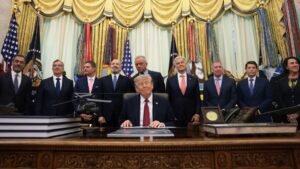


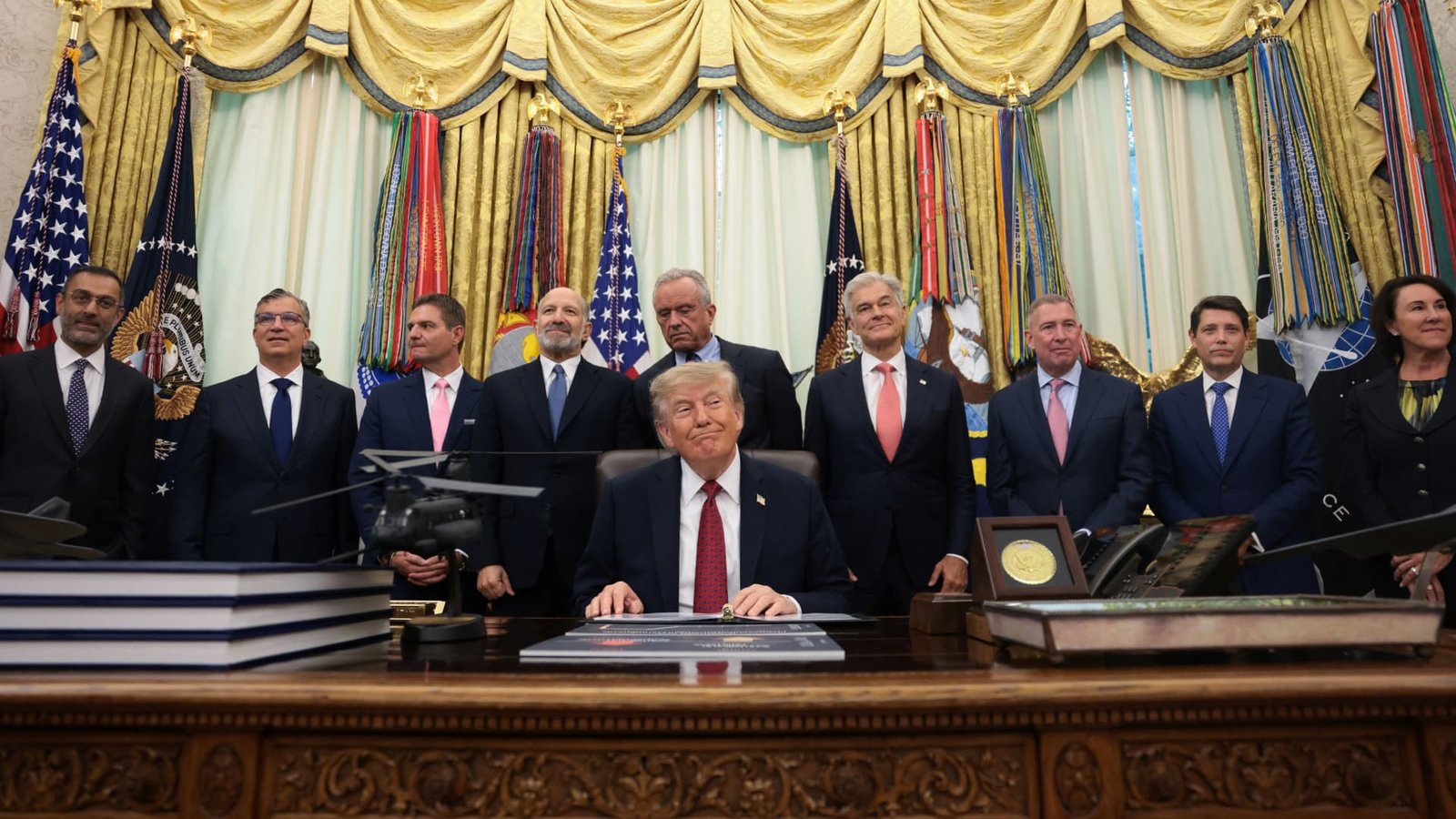
U.S. President Donald Trump announced new pharmaceutical pricing agreements with nine companies aiming to lower drug costs for Medicaid programs across the country. This initiative builds on the administration’s efforts to align U.S. drug prices with lower rates seen in other countries. The companies involved include Alcon, Astellas Pharma, BeOne Medicines, BridgeBio, CSL, Kyowa Kirin, Sun Pharma, Teva Pharmaceuticals, and UCB.
Under these agreements, the participating drugmakers will provide discounts on outpatient medications for various chronic and rare conditions, such as hemophilia and certain cancers. Collectively, these companies have pledged to invest at least $19.6 billion in U.S. manufacturing and contribute essential pharmaceutical ingredients to a federal reserve, enhancing domestic preparedness in case of emergencies. Notably, UCB’s commitment includes donating a substantial quantity of levetiracetam, an anticonvulsant medication.
With these new deals, the Trump administration has now established pricing agreements with a total of 26 companies, covering approximately 90% of the domestic pharmaceutical market. Previous agreements were signed with prominent companies like Pfizer and Eli Lilly as part of the “most favored nation” policy, which seeks to end what Trump characterizes as "global freeloading" by raising prices abroad.
As the administration highlights the issue of healthcare affordability ahead of midterm elections, pharmaceutical companies are adapting by bringing manufacturing back to the U.S. and expanding consumer access to their products. Nevertheless, reduced drug prices have raised concerns over the revenue impacts on these companies.
Bold Points:
- Why this story matters: The agreements aim to significantly lower drug prices for Medicaid, impacting healthcare affordability in the U.S.
- Key takeaway: The Trump administration’s drug pricing strategy has now engaged 26 pharmaceutical companies, with a focus on aligning domestic prices to global standards.
- Opposing viewpoint: The pharmaceutical trade association PhRMA argues that the most-favored nation pricing isn’t the optimal method to lower costs, attributing issues to pharmacy benefit managers instead.