


Oil price increases following renewed hostilities in the Iran conflict are leading to a rise in bond yields, which in turn is pushing mortgage rates higher. The average rate for a 30-year fixed mortgage rose by 6 basis points on Monday to reach 6.87%, marking the highest level since June 2025. This represents a 12-basis-point increase since Thursday and over 30 basis points in the past two months.
Matthew Graham, the chief operating officer at Mortgage News Daily, noted that while rates are at their highest in over a year, the increases are gradual rather than sharp. The driving factors include inflation expectations, a high level of bond issuance, and ongoing economic resilience, all of which may fluctuate in the future. Previously, there were expectations that mortgage rates would decline this year, but the conflict in Iran has disrupted that trend.
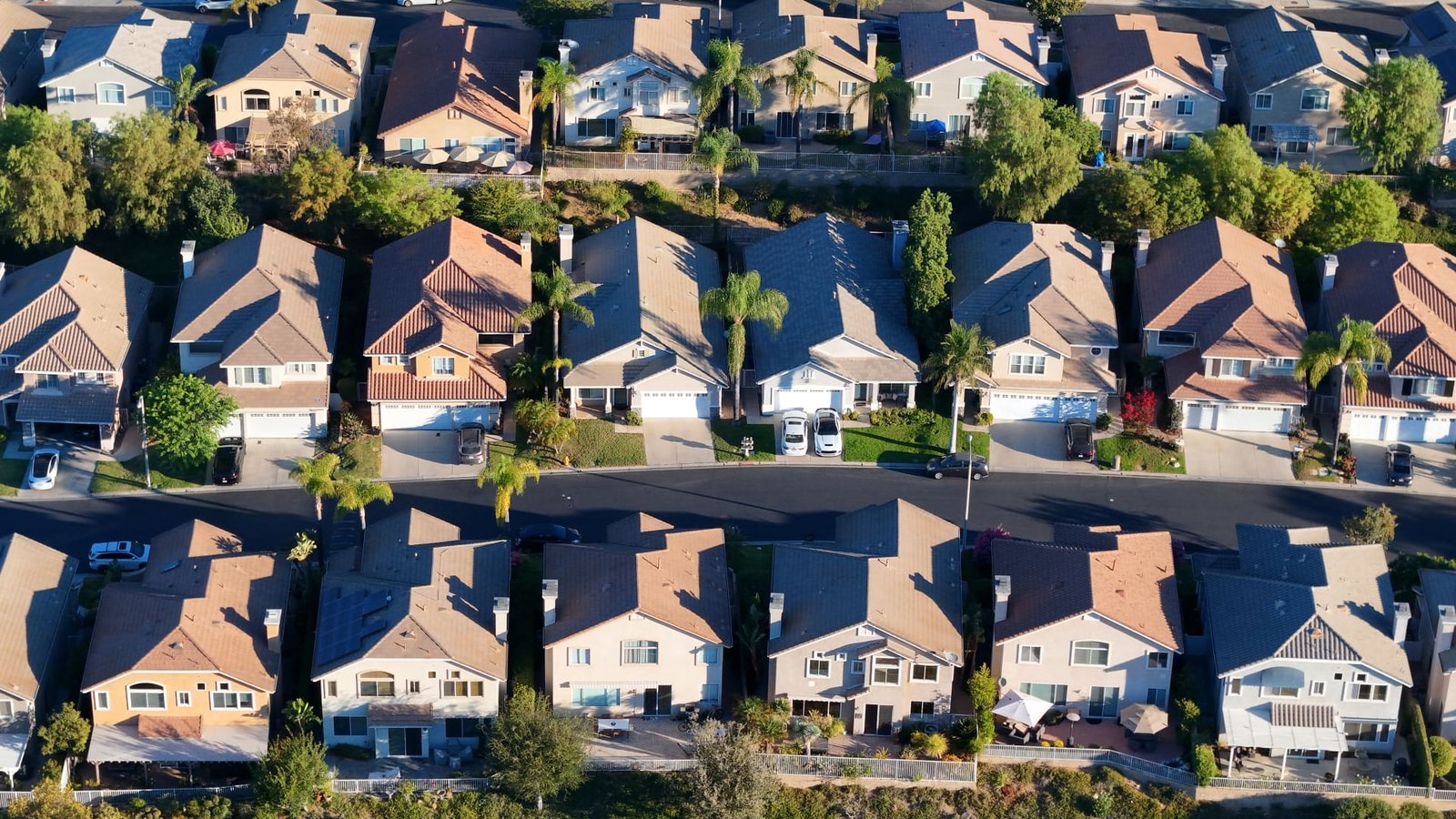
To illustrate the impact on homebuyers, a person purchasing a median-priced home of $450,000 with a 20% down payment would see their monthly principal and interest payment rise to $2,363. This is $207 more than it would have been at the end of February when rates were at 5.99%. Higher mortgage rates are likely to affect borrowers’ eligibility, as they alter the debt-to-income ratios lenders use for assessments. Additionally, rising home prices, which increased by 1.5% year-over-year in June, are further complicating the housing market as many current homeowners hesitate to sell and give up their historically low mortgage rates.
Why this story matters
Key takeaway
Opposing viewpoint