

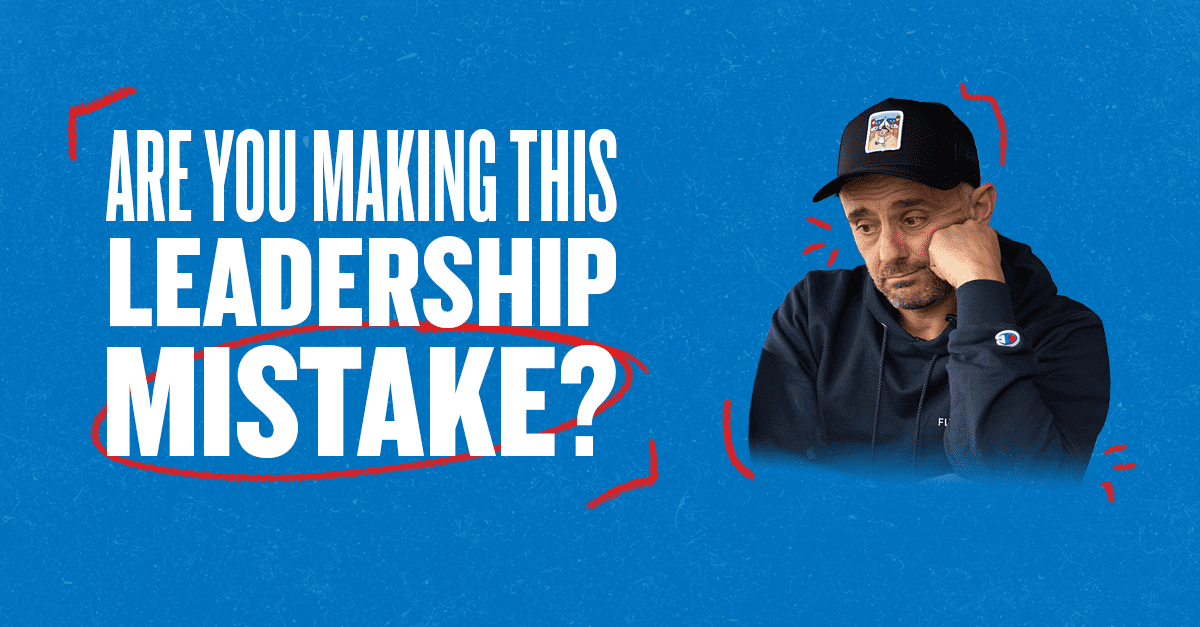
Micromanagement is an ineffective strategy for enhancing productivity, according to business leader Gary Vaynerchuk. He argues that closely monitoring employees not only fails to foster a productive environment but also creates a culture of tension and fear. Many leaders, from CEOs of large corporations to startup founders, obsess over the details of their employees’ work habits, particularly in remote settings. However, Vaynerchuk believes this approach is counterproductive and has detrimental effects on employee morale.
Employees typically dislike being monitored, as it can generate stress and hinder their ability to concentrate. Vaynerchuk emphasizes the success of "employee-first" businesses, which have thrived for years by prioritizing worker wellbeing. He advocates for a leadership style grounded in compassion and respect, rather than fear and negativity. By allowing employees the autonomy to perform their tasks effectively, leaders can create a more positive and productive work environment.
Vaynerchuk shares his own approach: he prefers to delegate tasks rather than micromanage, reserving close oversight for the most critical elements of his work. He asserts that leading with empathy fosters better outcomes than fostering insecurity or negativity.
In essence, Vaynerchuk’s message underscores that sustainable leadership relies on principles of trust, accountability, and encouragement. He calls on leaders at all levels—be it in parenting, team management, or organizational leadership—to avoid toxic practices and instead offer support and space for growth.
Key Points:
- Why this story matters: Effective leadership hinges on fostering a positive work culture rather than employing fear-based tactics.
- Key takeaway: Delegation and compassion are crucial for sustainable productivity and employee satisfaction.
- Opposing viewpoint: Some argue that close monitoring may be necessary for accountability in certain high-stakes environments.