

Tim Cook has transitioned from his role as CEO of Apple to the position of executive chair, with John Ternus taking over as the new CEO. Effective September 26, Cook’s annual salary will be set at $2 million, in addition to an equity award valued at $45 million. In his new role, Cook will continue to engage with global policymakers, a task he has been involved with throughout his 15-year tenure at Apple.
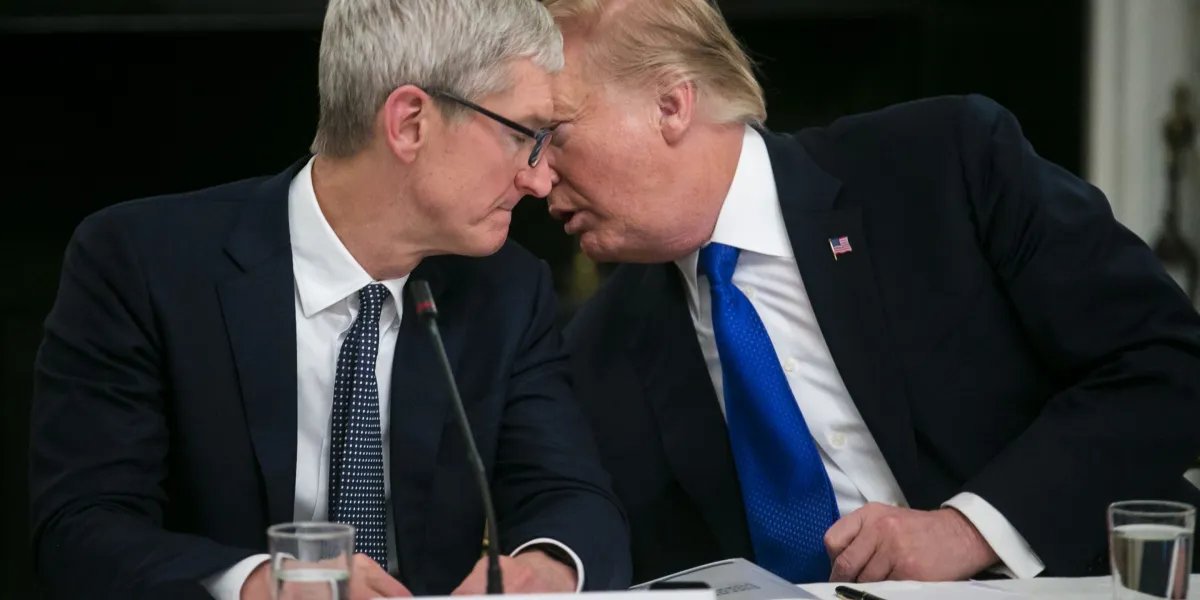
Cook, recognized for his adept navigation of relationships with government officials, particularly during the Trump administration, has been dubbed the "Trump whisperer." His ability to negotiate with the former president has been crucial for Apple, especially concerning tariffs and the company’s operations in China. Cook has indicated he will maintain these crucial relationships, as they are pivotal for Apple’s extensive Asian supply chain.
Under Cook’s leadership, Apple’s market capitalization surged from approximately $347 billion to $4.6 trillion, marking a significant period of growth for the company. His strategic engagements included advocating for Apple’s manufacturing interests amidst intense political and economic pressures, including a public dispute with Trump over production shifts to India and tariffs on imported products.
Despite ongoing challenges, including how Apple’s manufacturing reliance on Asia intertwines with U.S.-China relations, Cook has emphasized a focus on policy rather than politics. His efforts have involved substantial commitments to U.S. manufacturing, including plans to invest $600 billion over several years.
Why this story matters:
- Transitioning leadership at Apple marks a significant moment for the tech industry, reflecting shifts in corporate governance.
Key takeaway:
- Tim Cook’s ongoing influence and strategic role in managing U.S. and China relations will continue to shape Apple’s future.
Opposing viewpoint:
- Critics argue that despite Cook’s diplomatic efforts, Apple’s heavy reliance on Asian manufacturing remains a vulnerability in the face of geopolitical tensions.