


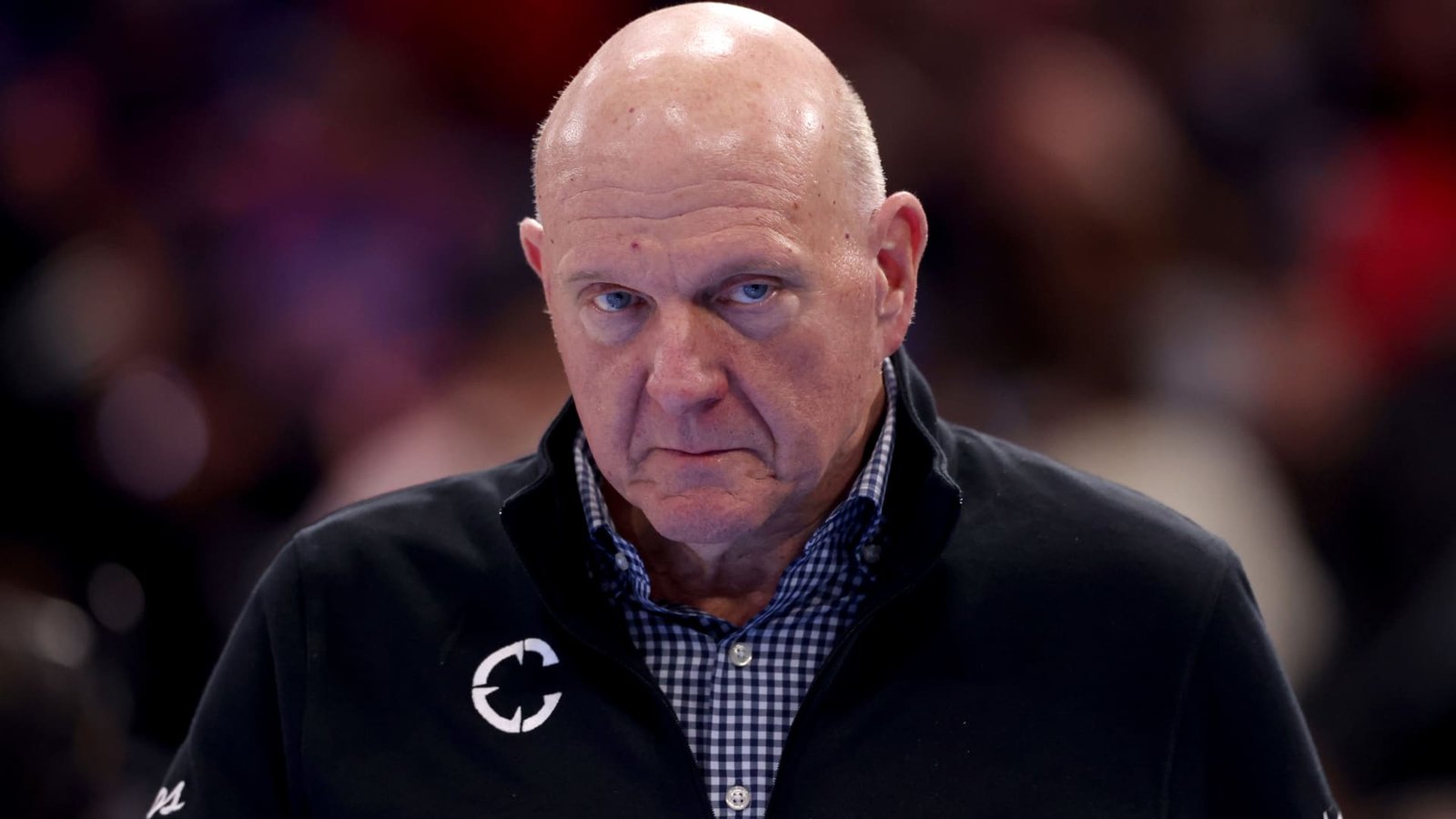
The NBA has suspended Los Angeles Clippers owner Steve Ballmer for one year, alongside significant sanctions against the team and two senior executives for violations of salary cap circumvention rules. The league found that Ballmer "knowingly" assisted star player Kawhi Leonard in securing off-court income opportunities amounting to millions of dollars, specifically through business dealings with four companies connected to the Clippers.
In addition to Ballmer’s suspension, the team faces a record fine of $30 million and will forfeit five first-round draft picks starting in 2029. Clippers President of Business Operations Gillian Zucker has also received a one-year suspension without pay, while President of Basketball Operations Lawrence Frank is suspended for six months. Zucker was cited for providing misleading statements during the investigation conducted by the law firm Wachtell, Lipton, Rosen & Katz, which reported a pattern of misconduct and rule violations.
The Clippers expressed strong disagreement with the NBA’s findings and indicated plans to challenge the penalties, claiming the investigation was biased and lacked fairness. Leonard, who has also been implicated, was ordered to pay $700,000 due to actions by his then-business manager, who is also his uncle. The NBA has banned this manager from business dealings with the league for five years.
NBA Commissioner Adam Silver emphasized the importance of adherence to league rules in maintaining the integrity of player compensation and expressed disappointment regarding the Clippers’ actions. As the investigation concludes, talks of a potential trade sending Leonard back to the Toronto Raptors, his previous team, have resurfaced.
Why this story matters:
- This situation underscores the NBA’s commitment to enforcing salary cap rules to maintain competitive balance.
Key takeaway:
- The severity of the penalties reflects the league’s determination to address violations and promote fairness in player compensation.
Opposing viewpoint:
- The Clippers argue that the investigation’s findings stem from bias, claiming their cooperation and the league’s communications differ sharply from the public conclusions announced.