


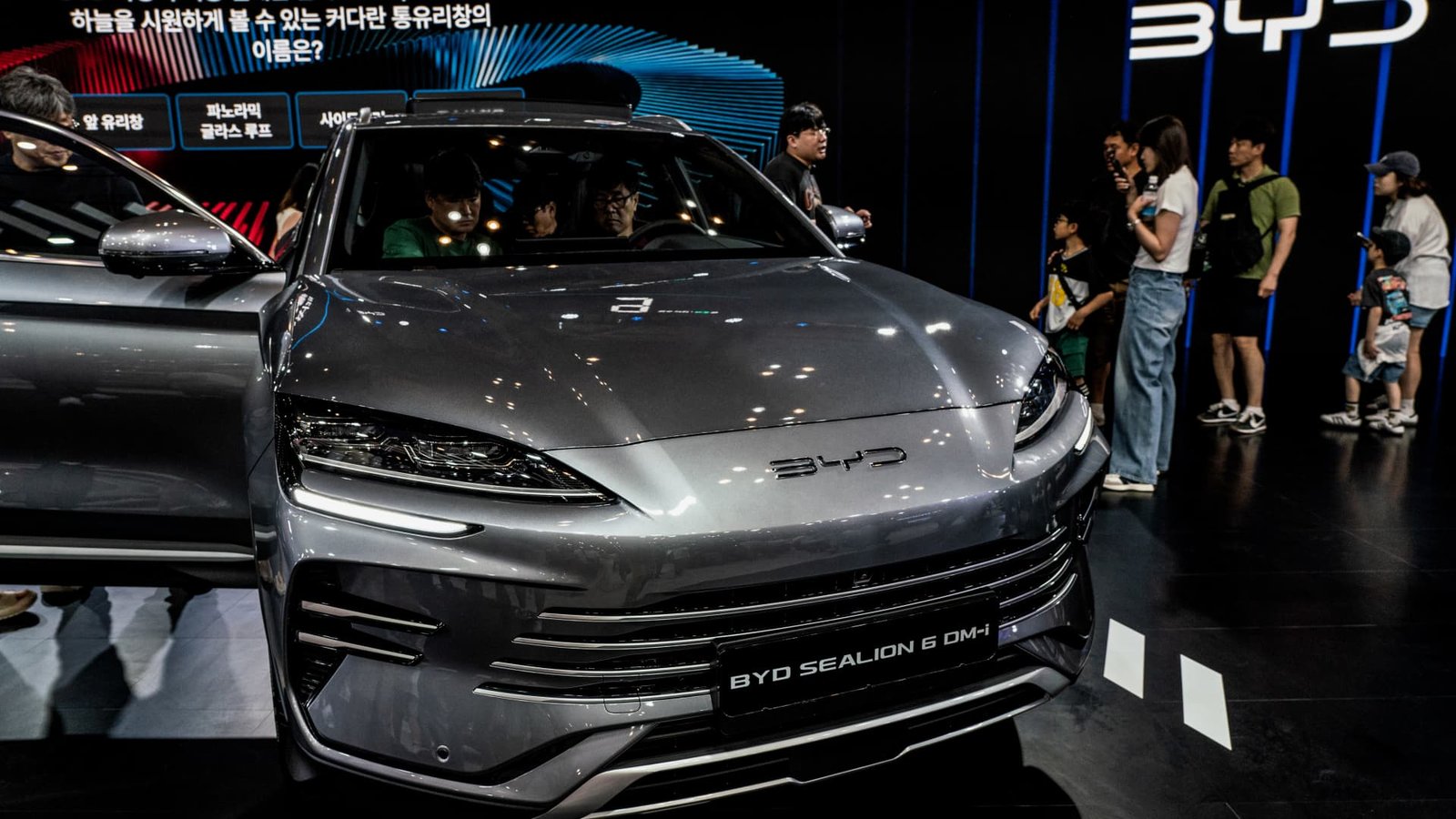
At the Busan International Mobility Show 2026, automakers in the United States are intensifying their calls to Congress for a comprehensive ban on the domestic sale, import, and manufacture of Chinese connected vehicles, hardware, and software. The Alliance for Automotive Innovation, representing a majority of U.S. vehicle manufacturers, expressed this urgency in a recent letter addressed to congressional leaders.
In the letter, John Bozzella, CEO of the Alliance, highlighted concerns about Chinese automakers potentially flooding the U.S. market with subsidized vehicles equipped with advanced connected technologies. He emphasized the importance of preemptive action, urging Congress to enact a ban before its current session concludes on January 3. The push comes ahead of the upcoming midterm elections, which may influence legislative momentum.
Simultaneously, bipartisan initiatives are gaining traction in both the House and Senate, aimed at addressing the impact of Chinese vehicles in the U.S. market. Notably, a bill moving through the Senate Commerce Committee could affect Mercedes-Benz’s operations due to significant investments from Chinese stakeholders.
The Alliance, which counts Mercedes-Benz among its members, proposes collaborating with lawmakers to create a balanced policy that allows all automakers to thrive in the U.S. market. Concerns have escalated regarding Chinese companies, such as BYD and Geely, which are expanding their vehicle exports, potentially undercutting U.S. manufacturers and posing challenges to domestic production.
Bozzella reiterated that establishing a permanent ban would send a strong, bipartisan signal that the U.S. is prepared to counter China’s intentions to dominate the global automotive sector with a clear national security strategy.
Why this story matters: The proposed ban addresses national security implications of foreign automakers in the U.S. market.
Key takeaway: Automakers advocate for legislative measures to protect domestic interests against increasing competition from Chinese companies.
Opposing viewpoint: Some may argue that a ban could limit consumer choices and hinder competition, potentially leading to higher prices.