



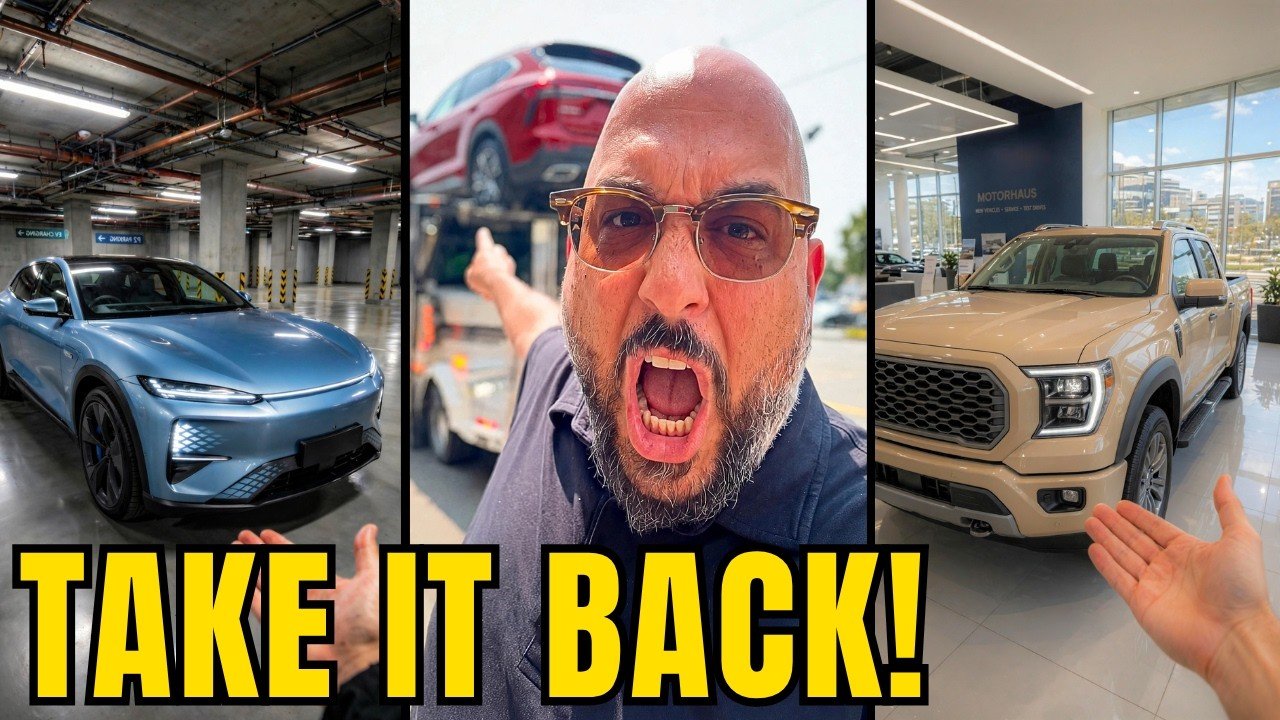
A significant trend is emerging in the American automotive market: an increasing number of consumers are opting to return their new vehicles. This shift is attributed to several factors, including skyrocketing prices of modern cars, which have led to buyer dissatisfaction and a reevaluation of new car purchases.
As the cost of new vehicles continues to rise, many buyers are finding themselves disillusioned with their purchases. Dealership strategies, often involving hidden fees and high-pressure sales tactics, have also contributed to this discontent. Reliability issues with newer models further complicate the situation, leading consumers to question the value of new cars.
In light of these challenges, an increasing number of individuals are diverting their attention to used or older models that have proven reliability. This pivot underscores a shifting sentiment in the market, with buyers prioritizing value and practicality over the appeal of owning a brand new vehicle.
Industry observers note that the growing inventory of premium cars, which remain unsold on dealership lots, reflects broader consumer hesitancies. In 2026, this trend is expected to continue as more people calculate the long-term benefits and cost savings of purchasing used or older vehicles.
For potential car buyers—whether considering new or used options—understanding these dynamics could result in substantial savings.
Why this story matters:
- It highlights consumer dissatisfaction with rising car prices and dealership tactics.
Key takeaway:
- More buyers are favoring used or reliable older vehicles over modern, expensive cars.
Opposing viewpoint:
- Some argue that new cars offer advanced technology and safety features that older models lack, making them worth the investment.