



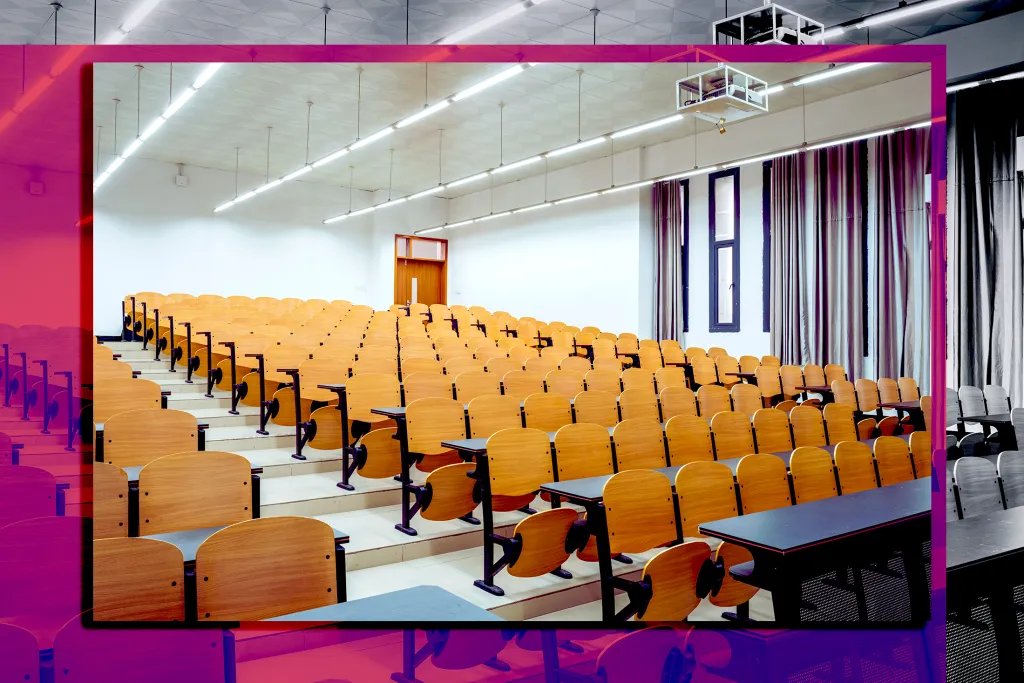
The increasing frequency of college closures in the United States highlights a broader crisis in higher education characterized by declining enrollment, rising costs, and accumulated debt. Institutions are struggling to adapt to shifting demographics and evolving competition from online and alternative education providers. As many colleges rely heavily on tuition revenue, a loss in student numbers not only leads to reduced income but also exacerbates existing financial stress.
Data indicate a troubling trend; at least 16 nonprofit institutions announced closures in 2025 alone, suggesting that this is not merely an episodic issue. Historical findings show that between 2008 and 2023, nearly 300 colleges and universities ceased operations, with 861 institutions shutting down between 2004 and 2022. Noteworthy examples include the University of Valley Forge, which has seen its enrollment halve since 2007, and Hampshire College, which failed to meet its enrollment targets amid significant debt.
The challenges of declining student numbers are not just demographic but also structural. Many colleges are operating under unsustainable financial models, unable to adjust costs in accordance with diminishing enrollment. Moreover, institutions often attempt to attract students through increased financial aid and marketing efforts, which may not yield sufficient enrollment to close the financial gaps.
The urgency for colleges to modernize their enrollment processes is underscored by findings that a significant percentage of prospective students experience slow or impersonal engagement. Effective and timely communication with potential students is critical as each inquiry represents a valuable opportunity for enrollment.
Bold Points:
- Why this story matters: The ongoing college closure crisis reflects systemic financial vulnerabilities in higher education, impacting students, staff, and communities.
- Key takeaway: Colleges must adapt their operational models and engagement strategies to confront the dual challenges of declining enrollment and rising costs.
- Opposing viewpoint: Some argue that the closure of underperforming institutions could lead to an improvement in the overall quality of higher education by allowing for a more focused allocation of resources.