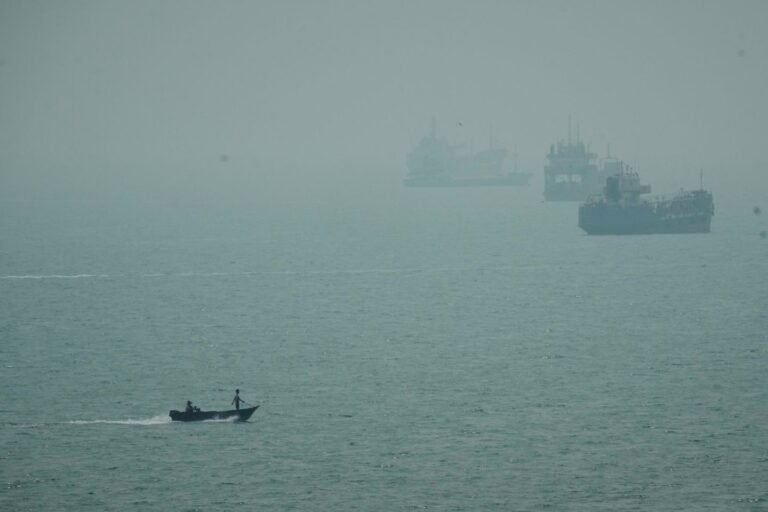


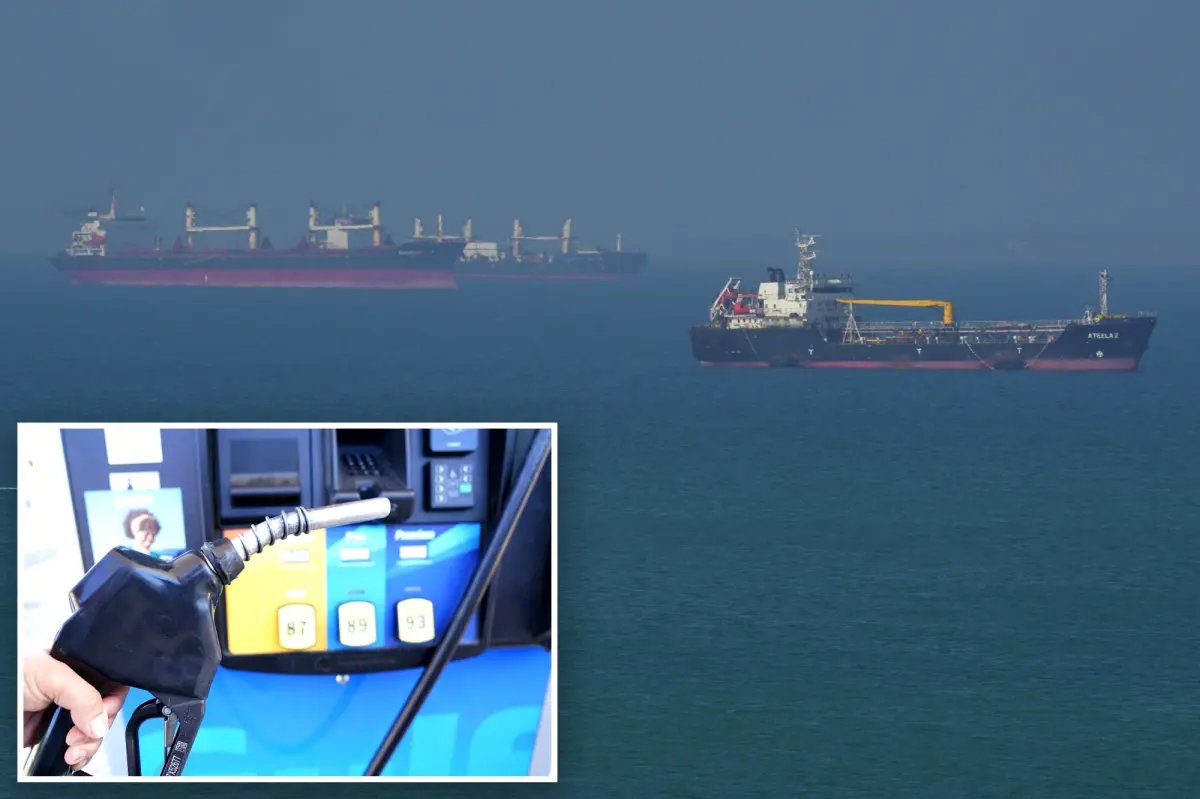
Oil prices approached $100 a barrel on Tuesday due to escalating tensions in the Middle East, raising concerns that the upcoming inflation data could lead the Federal Reserve to increase interest rates. Brent crude oil futures rose by 1.1% to $98.27 per barrel, while West Texas Intermediate crude climbed 2% to $93.31. National average gasoline prices held steady at $4.15 a gallon, which marked a record high for Labor Day.
The surge in oil prices followed reports from the Saudi energy ministry indicating disruptions to operations at some of its facilities caused by Houthi attacks. Over 70 individuals were reported injured, and emergency services continued to address resulting fires.
The Dow Jones Industrial Average dropped by 641 points, or 1.2%, signaling investor anxiety regarding a potential interest rate hike by the Federal Reserve, the first in three years. Meanwhile, shares of Exxon Mobil and Chevron rose by 1.3% and 2.1%, respectively, as the market anticipated sustained high oil prices, likely benefiting major oil companies.
Additionally, the US 10-year Treasury yield increased to 4.79%, reflecting uncertainty in the bond market. Treasury Secretary Scott Bessent commented that oil prices could fall to $40 to $50 per barrel if the Strait of Hormuz, a critical energy supply route, is fully reopened.
In light of these developments, analysts at Goldman Sachs have adjusted their forecasts, predicting that oil prices could reach $120 a barrel if conflicts persist, while raising their year-end predictions for Brent and West Texas Intermediate oil to $85 and $80 per barrel, respectively.
As markets await crucial inflation data this week, including the Producer Price Index and Consumer Price Index, the outcomes could significantly affect economic conditions and upcoming Federal Reserve decisions.
Bold Points:
- Why this story matters: Fluctuations in oil prices can significantly impact inflation and monetary policies, affecting the economy and consumers.
- Key takeaway: Rising oil prices are linked to geopolitical tensions, prompting concerns over future interest rate hikes.
- Opposing viewpoint: Some believe that if conflicts subside, oil prices could decrease significantly, alleviating economic pressure.