


In Conroe, Texas, a landlord with three long-term rental units, Ed Barone, co-founder of RentRedi, shares insights into managing rental properties and improving cash flow. RentRedi, which he operates with his son Ryan, serves around 200,000 landlords and tenants, providing valuable market data on rental trends.
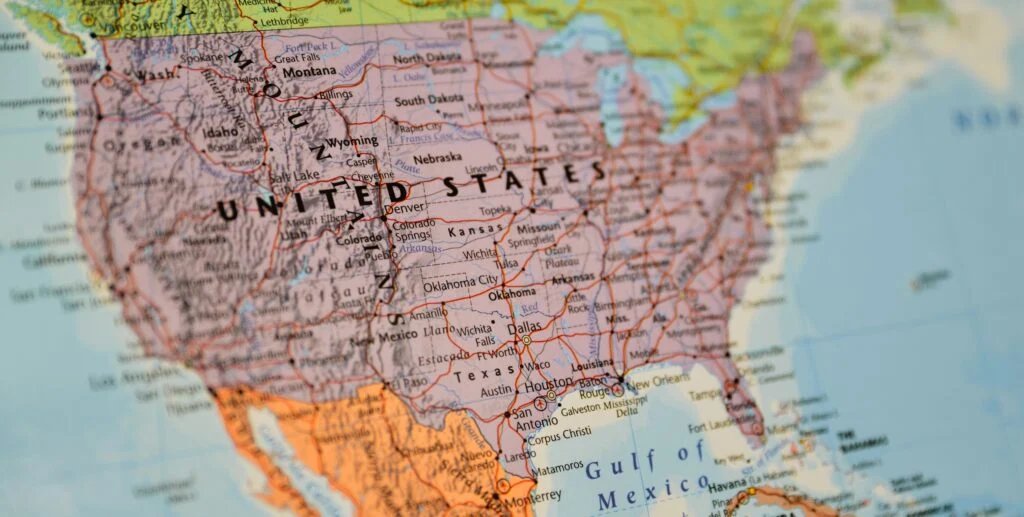
One significant finding reveals that late rent payments can vary dramatically by location, with rates ranging from as low as 5% in states like Utah to as high as 20% in Mississippi. Barone notes that landlords with a small number of units may perceive late payments as a reflection on their tenants or their management skills, but he argues that these instances might simply be a product of the local rental market. To mitigate cash flow issues, he suggests implementing an autopay option when leases are signed and setting clear, consistent late fee procedures.
The conversation also touches upon the implications of not raising rent for reliable tenants. Barone discusses the potential financial loss when rent remains below market rates for extended periods. However, he emphasizes the value of retaining good tenants who pay on time and maintain the property, suggesting that the costs of turnover can outweigh rent increases.
Effective financial practices are also explored, with Barone advocating for monthly bookkeeping to avoid scrambling during tax season. This routine not only ensures smoother operations but also helps landlords identify potential issues with late payments earlier.
Barone’s insights cover the necessity of leveraging technology and AI to streamline property management, focusing on tools that improve efficiency without relinquishing control over decision-making.
Why this story matters: The insights highlight effective property management strategies that can enhance profitability for landlords.
Key takeaway: Reliable tenants provide significant value that can often outweigh potential gains from rent increases.
Opposing viewpoint: Some landlords may argue that consistently raising rent is necessary for maintaining cash flow and covering rising costs associated with property upkeep.