



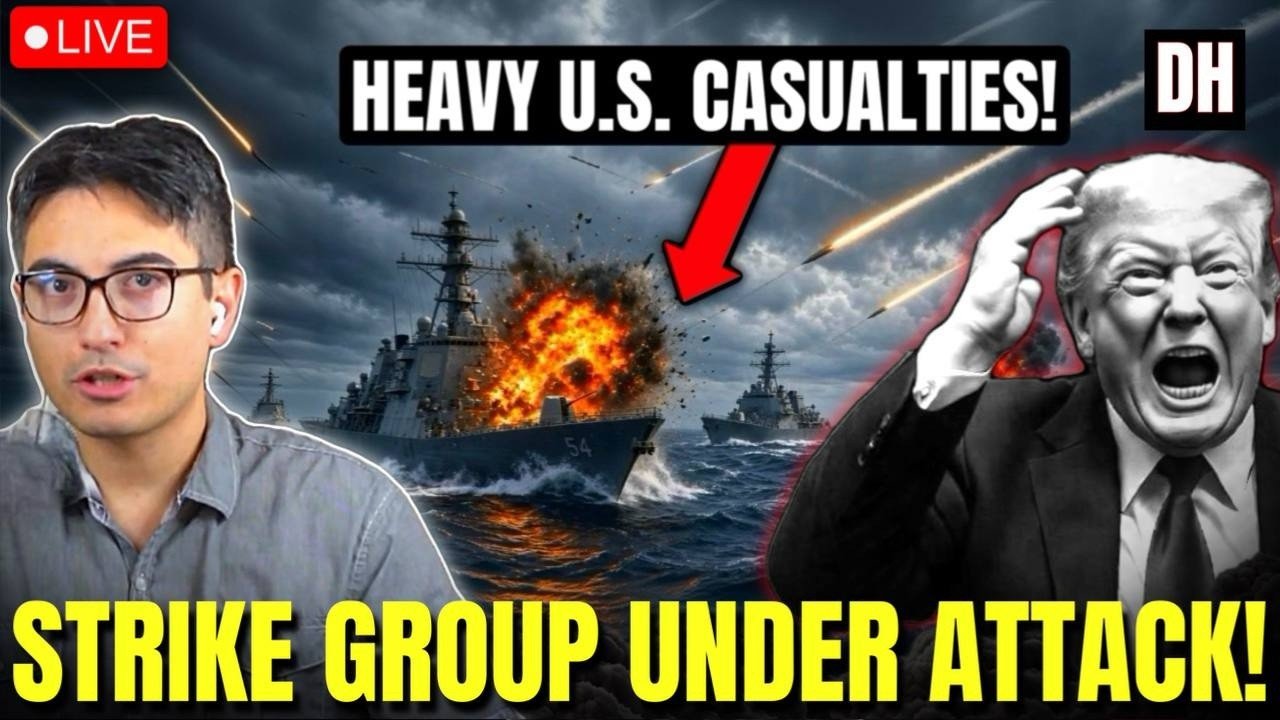
Renewed hostilities have erupted between Iran and the U.S. Navy, resulting in significant damage to American military assets. In an overnight missile attack on Tuesday, eight F-15 fighter jets and one A-10 Thunderbolt were reportedly damaged at a base in Jordan. This escalation comes as President Trump announced that the U.S. is no longer pursuing negotiations with Tehran.
In a related development, Yemen’s Ansarallah forces have launched strikes on Saudi Arabia’s East-West oil pipeline, a key infrastructure that transports crude oil from the Gulf coast to the Red Sea. Recent satellite imagery has shown considerable smoke plumes along the pipeline route, indicating multiple fire hotspots detected simultaneously.
These incidents highlight the increasing volatility in the region, suggesting a shift in power dynamics, particularly as control of critical waterways and resources becomes contested. The situation continues to evolve amid broader geopolitical tensions.
Why this story matters
- The ongoing conflict could have profound implications for global oil supply and regional security.
Key takeaway
- The U.S. appears to be taking a more aggressive stance toward Iran, while Yemen’s Houthis further destabilize Saudi Arabia’s oil infrastructure.
Opposing viewpoint
- Some analysts argue that diplomatic negotiations with Iran remain crucial for long-term stability and reducing hostilities in the region.