

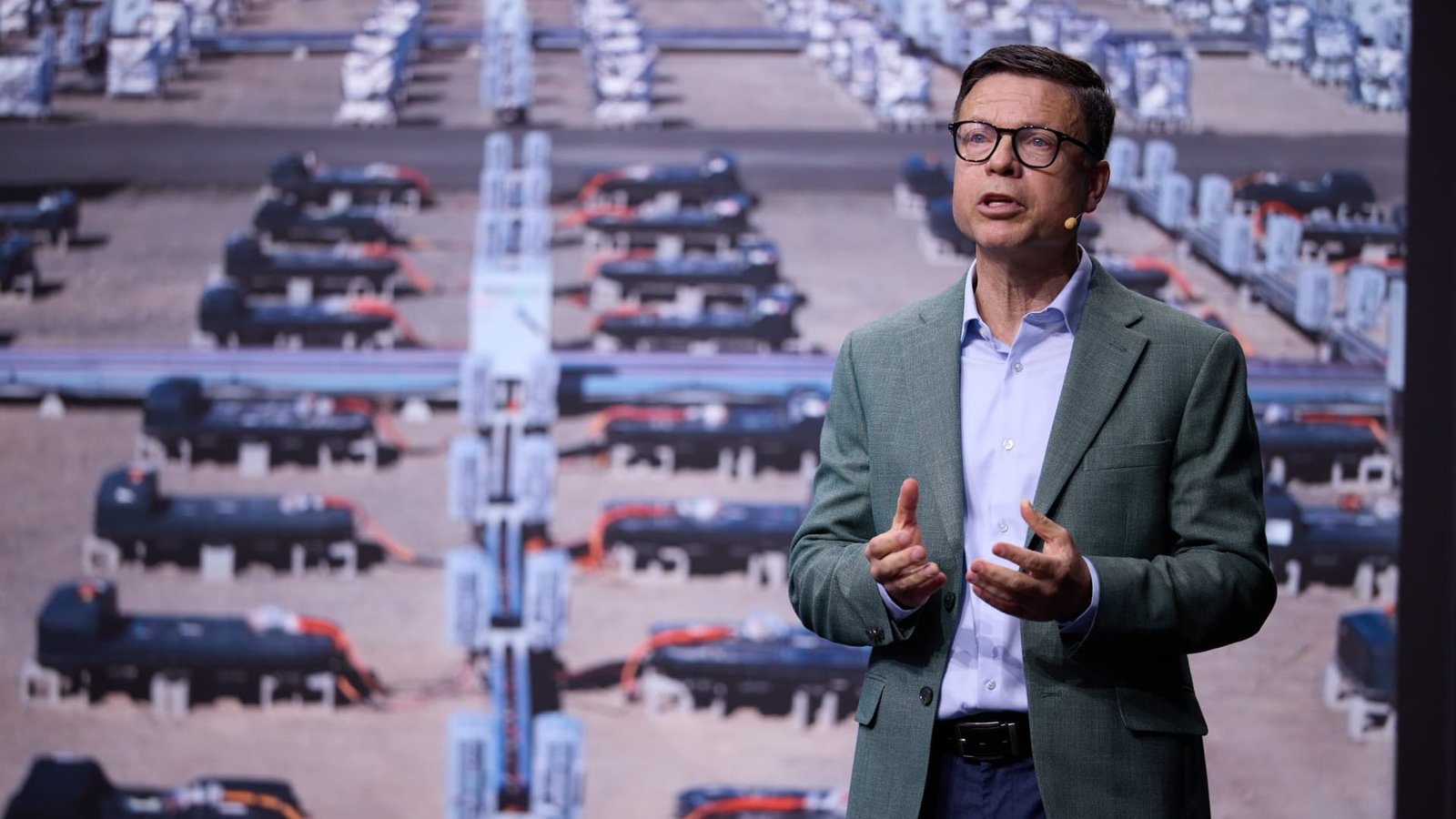
General Motors is advancing the development of sodium-ion battery cells aimed at reducing the U.S.’s reliance on Chinese battery materials. Kurt Kelty, GM’s vice president of battery and sustainability, emphasized a commitment to creating a domestic supply chain for these batteries, particularly for energy storage systems (ESS) used in homes, businesses, and data centers. This initiative, as discussed in an interview, anticipates commercial production partnering with Denver-based startup Peak Energy by 2029.
The push for sodium-ion batteries comes as GM seeks alternatives to materials like lithium and ferrous sulfate, which are predominantly sourced from China. The company aims to utilize abundant domestic resources, such as sodium derived from soda ash, to forge a more independent U.S. battery industry. GM is concurrently exploring various battery chemistries for its future electric vehicles (EVs) and ESS, acknowledging the dependencies on Chinese materials that currently exist.
Kelty’s remarks follow mounting criticism directed at competitor Ford by the Trump administration for its collaborations with Chinese companies on battery cell production. GM’s approach prioritizes creating a fully domestic battery production capability, distinguishing itself as it positions to "leapfrog" existing technologies in the field.
Despite the ambitious goals, experts caution that establishing a fully domestic supply chain may take years. They also acknowledge that China continues to innovate in battery technologies, including sodium-ion chemistries. As GM invests $900 million into new battery lab facilities in Detroit, the automaker asserts its dedication to developing U.S.-based battery technology critical for various sectors of the economy.
Why this story matters: It highlights a significant shift towards reducing U.S. dependency on foreign battery materials, crucial for energy security.
Key takeaway: GM is prioritizing domestic production of sodium-ion batteries to innovate and support local supply chains.
Opposing viewpoint: Experts warn that establishing a competitive domestic battery industry could take time, while China advances its own technologies.