


A recent incident involving a rental property underscores the vital role of neighbors in monitoring and protecting real estate investments. A neighbor notified the property owner about persistent beeping from smoke alarms, revealing that multiple alarms had been left inactive in the garage while the tenants were absent. This highlighted a significant oversight: the responsibilities of tenants extend beyond property use to include risk management.
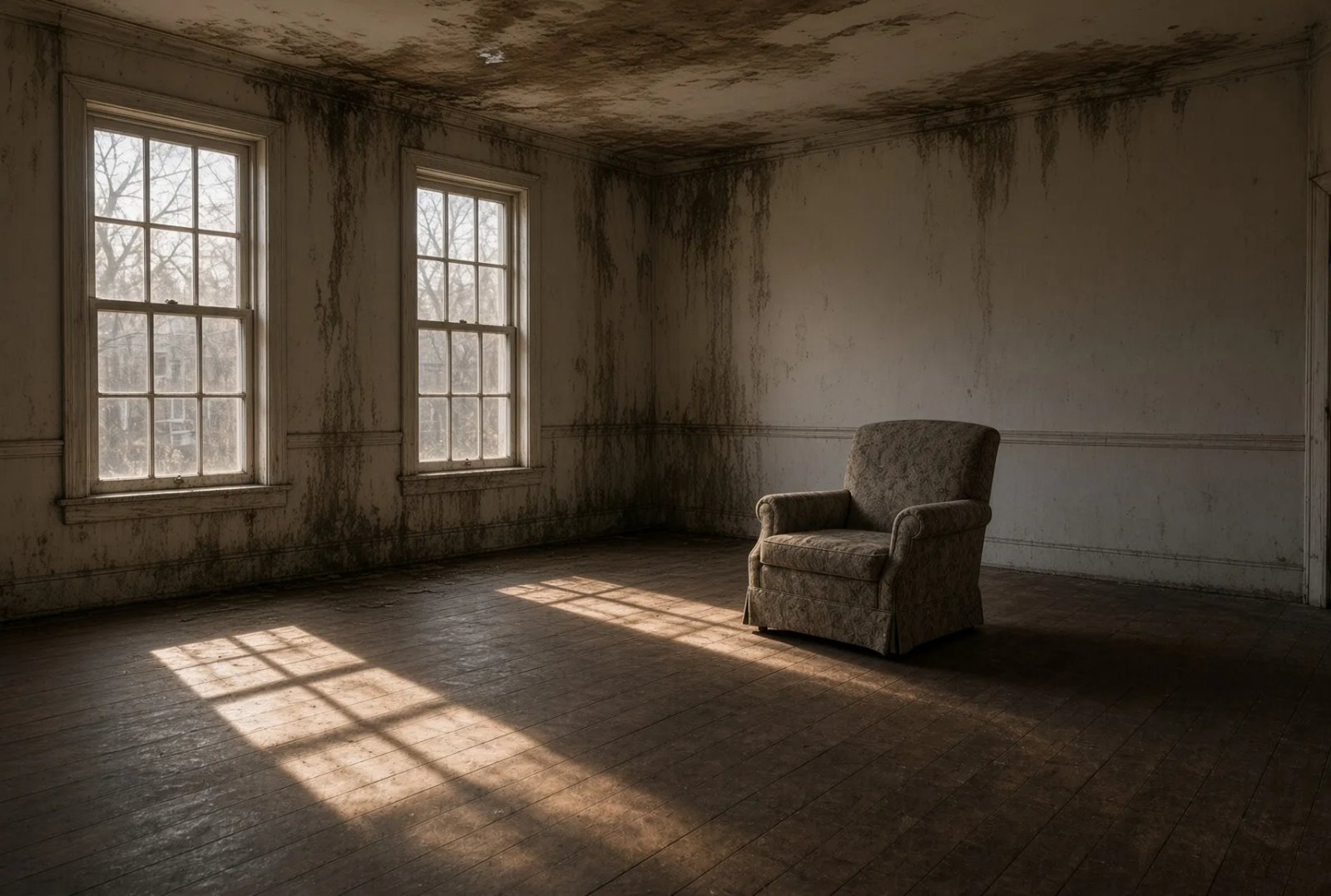
The insurance industry recognizes that an occupied property is inherently safer. Most homeowners’ insurance policies feature a vacancy clause that voids coverage after a home remains empty for a certain period, typically between 30 to 60 days. When properties are vacant, they become more vulnerable to various damages, including vandalism and water leaks, which can escalate rapidly without any occupants to detect issues.
The article emphasizes the importance of community and neighborly relationships as a form of risk management. Statistics indicate that many Americans have limited connections with their neighbors, which can hinder effective communication in emergencies. Encouraging neighbors to look out for each other can help mitigate risks associated with home ownership or rental properties. Simple exchanges, such as sharing contact information and notifying neighbors during periods of absence, can create a supportive network for property owners.
The narrative further advises landlords to take proactive steps with their insurance, including understanding vacancy policies and ensuring tenant relationships are strong to minimize risk. A reliable tenant can act as an informal guardian of the property, capable of detecting problems before they result in costly damage.
Why this story matters: Understanding neighbor relationships can enhance property safety and insurance coverage.
Key takeaway: An occupied property provides crucial safety benefits that can save owners from significant losses.
Opposing viewpoint: Some may argue that not all tenants or neighbors are reliable, making insurance coverage essential regardless of occupancy.