


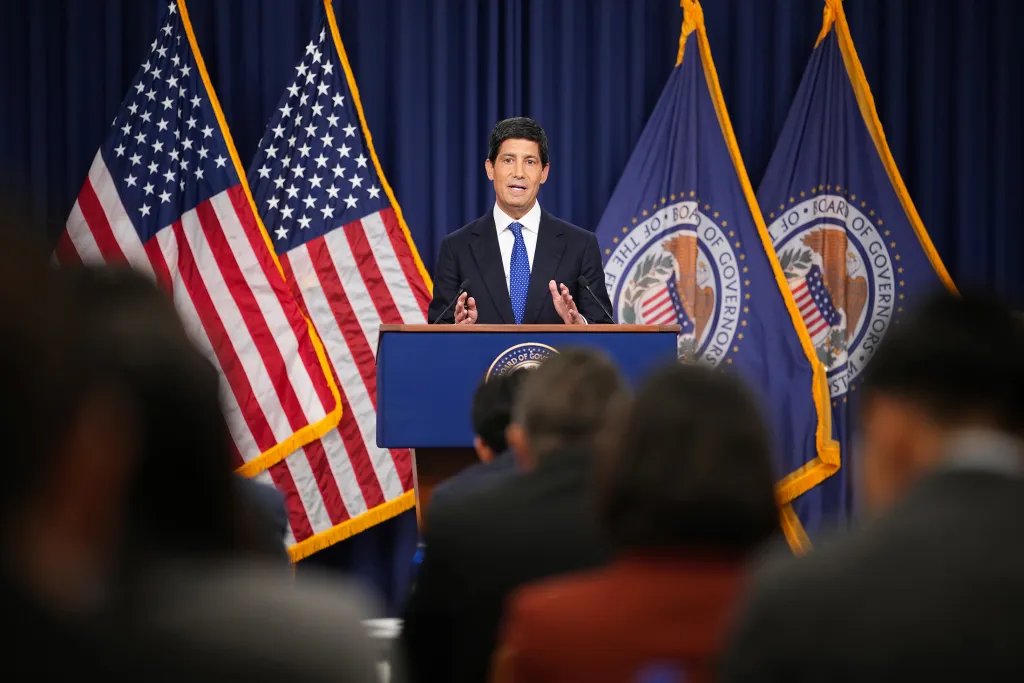
The Federal Reserve implemented a quarter-point interest rate increase on Wednesday, marking its first adjustment since July 2023. This decision, which received unanimous approval from all members of the Federal Open Market Committee, elevates the Fed’s benchmark rate to a range of 3.75% to 4.0%. Fed Chair Kevin Warsh emphasized the necessity of this action due to ongoing inflation concerns, stating, “The plain fact is that inflation is too high and has been for too long.”
The impact of this rate hike will vary based on individual financial circumstances. For homeowners with fixed-rate mortgages, there will be no immediate changes, as their rates remain unchanged. However, those with adjustable-rate mortgages or other variable-rate loans may face increased costs. Recent data shows that overall mortgage rates, which are influenced by Treasury bond yields, have risen, with the average 30-year fixed mortgage rate reaching 6.76%.
The rate increase is also likely to affect car loans; estimates suggest an increase of about $6 in the average monthly payment. Furthermore, credit card interest rates, which are closely aligned with Fed decisions, may also rise, posing a risk to consumers as credit card debt approaches record highs. Conversely, those with savings accounts may benefit from slightly higher returns on high-yield savings accounts and certificates of deposit (CDs).
Ted Rossman, a principal consumer finance analyst, noted the necessity of the rate hike, describing it as “bitter medicine” essential for curbing unchecked price growth.
Why this story matters: The Fed’s decision directly influences borrowing costs and consumer spending.
Key takeaway: Consumers with variable-rate debts may face increased payments, while fixed-rate borrowers will remain unaffected.
Opposing viewpoint: Some argue that rate hikes could stifle economic recovery and hurt consumers struggling with existing debt.