


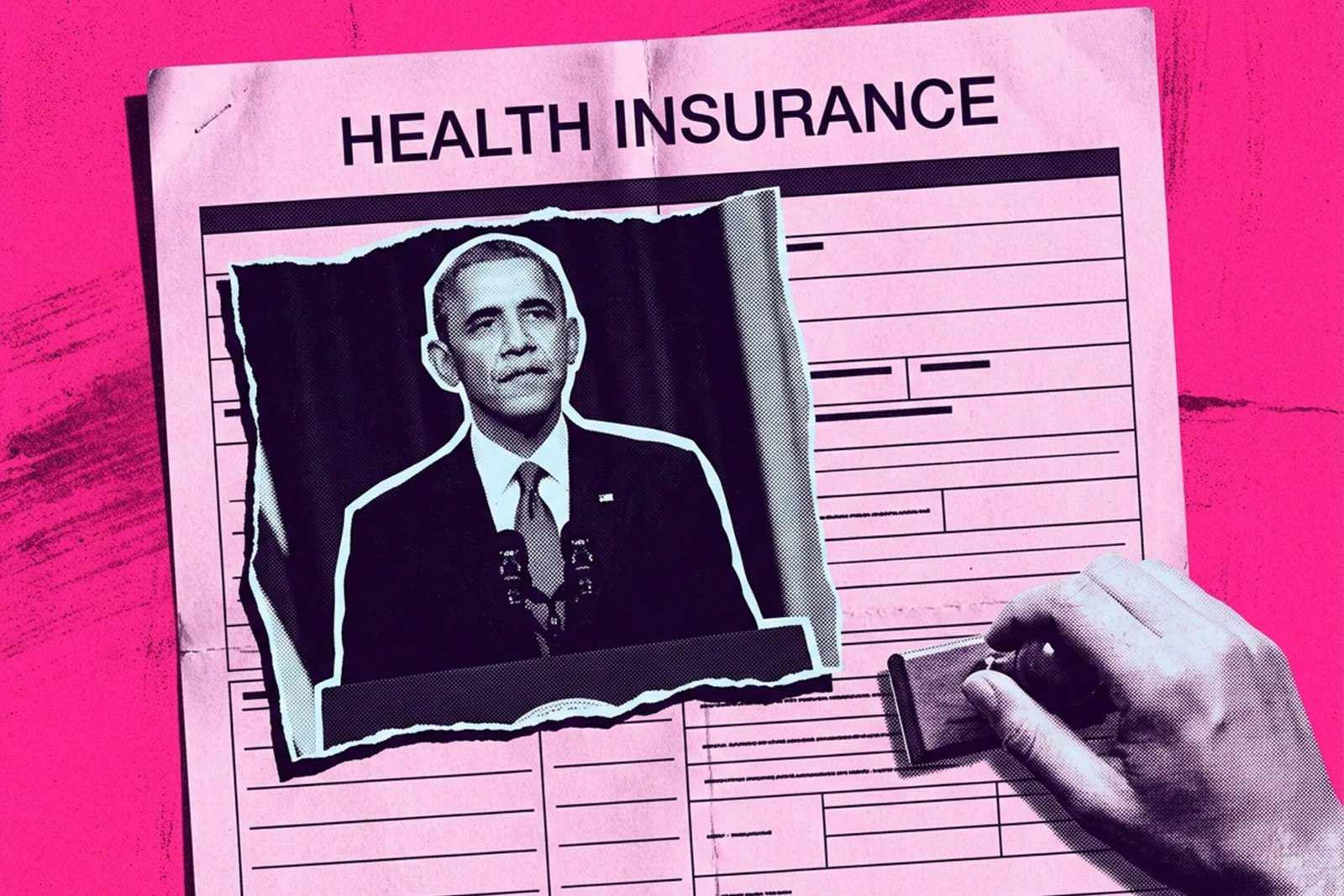
President Donald Trump has unveiled a plan to distribute $500 refund checks in October to nearly one million individuals enrolled in health insurance via the Affordable Care Act (ACA) marketplace. The White House argues that these refunds stem from overcharges incurred under the previous administration, creating a surplus that can be returned to beneficiaries.
This initiative emerged alongside Trump’s promise, during a recent convention speech, to provide $5,000 dividend checks to all adults if Republicans maintain control of Congress in the upcoming midterm elections. Critics, primarily from the Democratic Party, have accused the administration of attempting to sway voters with cash incentives.
The administration asserts that the ACA refunds are feasible due to an excess of user fees collected in states utilizing the federal health insurance marketplace and Healthcare.gov. They maintain that these fees were significantly higher than necessary for managing the exchange. In a social media video, Trump stated that eligible recipients will automatically receive their checks, aiming to offer relief to ACA customers who faced increased healthcare premiums this year following Congress’s failure to extend enhanced tax credits that had previously reduced insurance costs for millions.
Eligibility for these refunds appears to be limited to individuals who do not receive premium assistance, typically those with incomes above approximately $63,000. As a result, critics highlight that the refunds may predominantly benefit higher earners within the ACA system, leaving many low- to moderate-income households receiving subsidies without any financial relief.
Eligible states for these refunds include 30 states that rely on Healthcare.gov, while areas with independent marketplaces will not qualify for these payments.
Why this story matters: The decision could impact voter sentiment ahead of the midterm elections.
Key takeaway: Nearly one million ACA enrollees may receive $500 refunds due to surplus fees collected.
Opposing viewpoint: Critics argue that the plan benefits higher earners, neglecting those who most require financial assistance.