


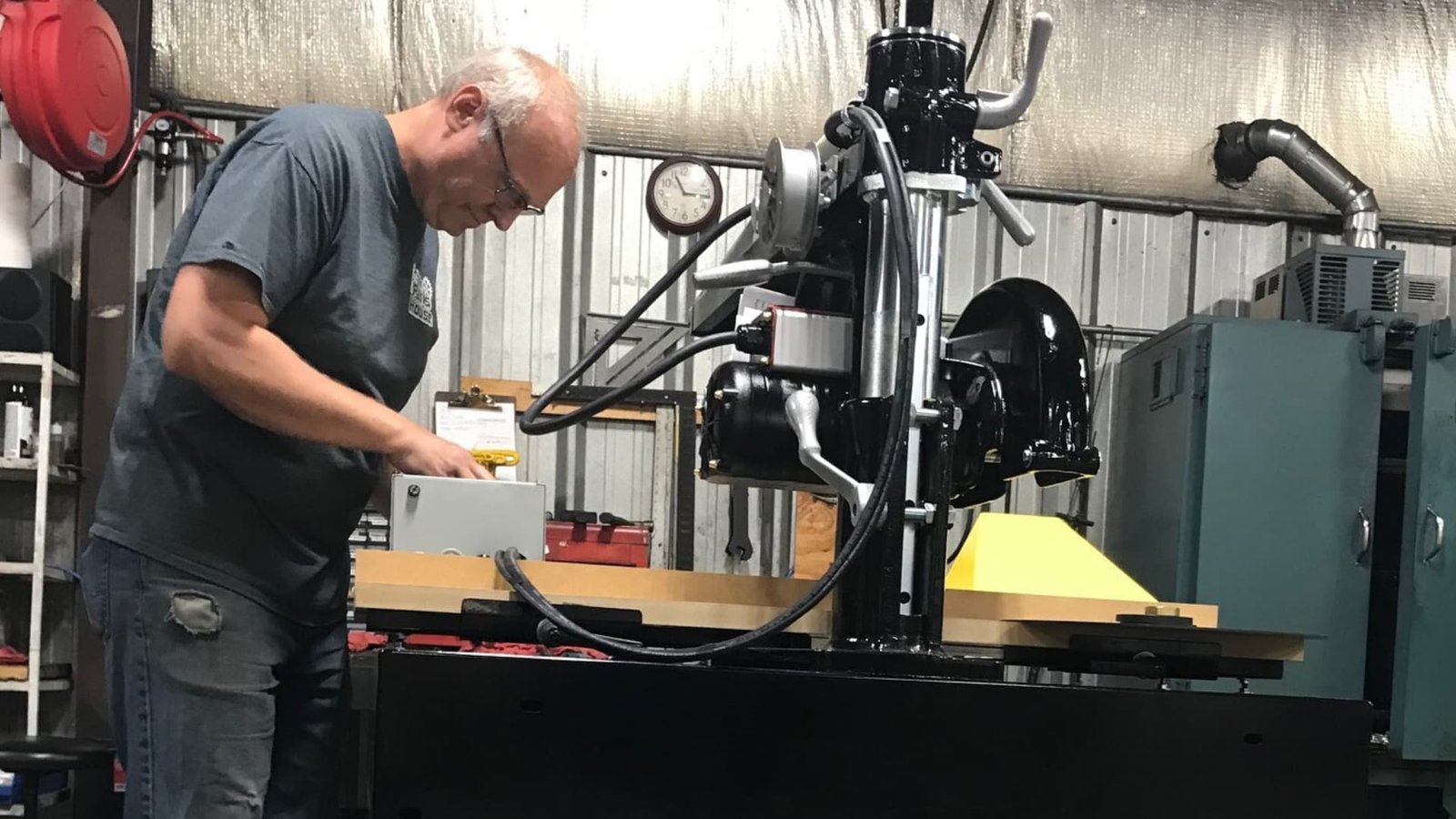
Executives at American manufacturing firms are facing significant challenges due to a combination of tariffs, rising fuel prices, and increasing interest rates. These pressures have forced many companies, including the Original Saw Co. in Britt, Iowa, to adjust their operations. Owner Allen Eden reports that the price of essential components, such as a small bracket for saw motors, has more than doubled, prompting him to maintain higher inventory levels due to uncertainties in supply.
The impact of these economic factors is being felt across various sectors, particularly among middle-market manufacturers. JPMorgan Chase’s global strategy head noted that smaller companies often rely on short-term lending, making them particularly vulnerable to rising rates. The Federal Reserve’s recent interest rate hikes aim to combat inflation, but they also exacerbate financing costs for businesses already strained by escalating input prices.
Manufacturers in the auto supply chain are among those most affected; some, like Lucerne International, have halted U.S. production due to the tariffs and increased costs associated with raw materials. This has led to a restructuring for companies unable to absorb rising expenses. Conversely, large tech and finance companies are better positioned to weather these economic shifts, given their higher cash reserves and access to long-term financing.
While many firms are capable of passing some costs onto consumers, this strategy is becoming less feasible for those facing pressures to keep prices competitive. Federal Reserve policies are designed to stabilize the economy, yet analysts caution that the root causes of inflation remain unaddressed, potentially exposing the economy to new risks.
Why this story matters: The current economic climate impacts the manufacturing sector’s resilience and consumer pricing stability.
Key takeaway: Companies are grappling with rising costs and uncertain supply chains, prompting shifts in strategy.
Opposing viewpoint: Larger corporations may fare better amidst these challenges, leveraging resources that smaller firms lack.