


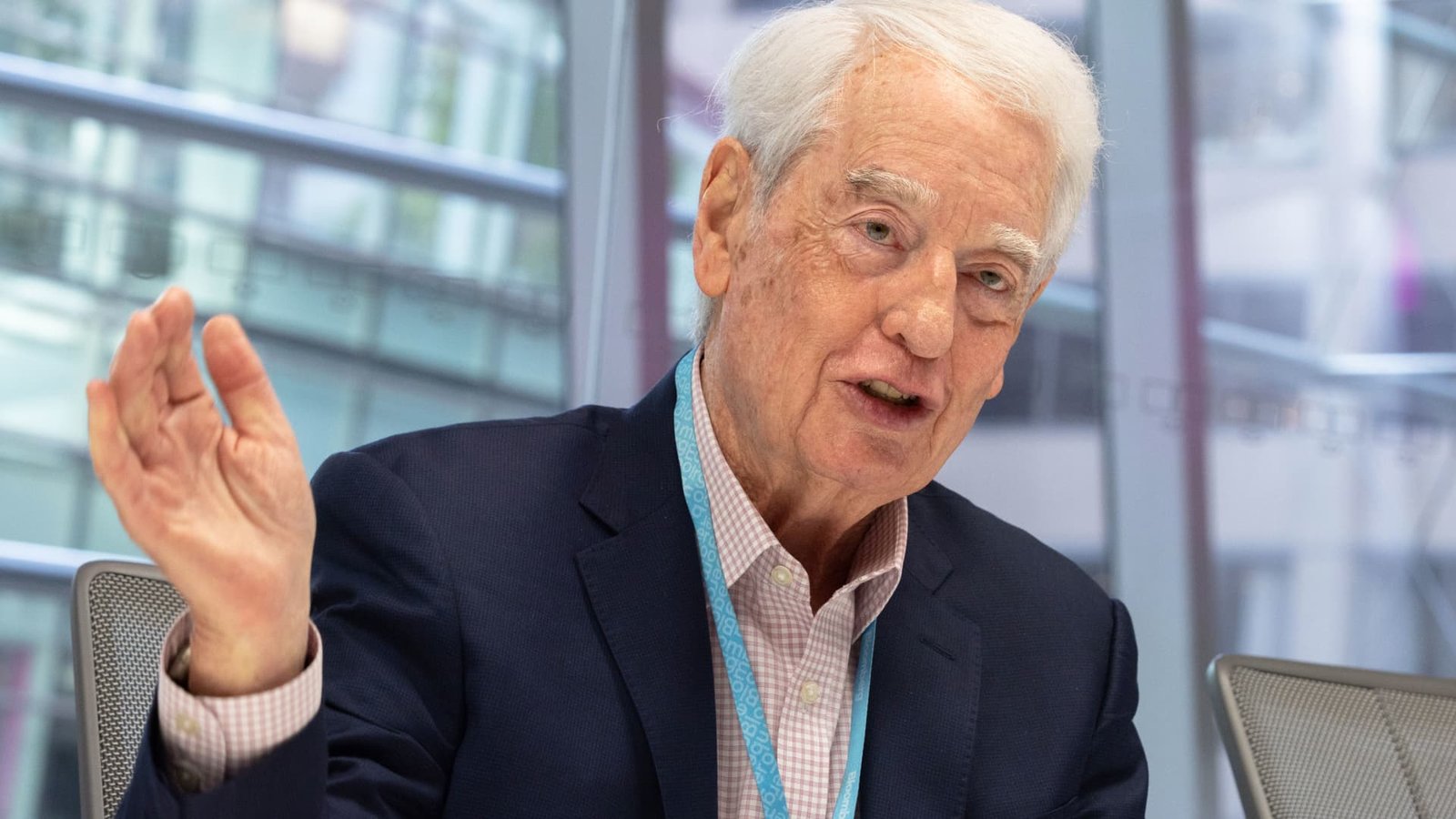
William Augustus Franke, co-founder of Indigo Partners and chairman of Frontier Airlines, is shifting his approach to the airline business by introducing first-class seating and enhanced services. This move marks a significant change for Frontier, known for its ultra-low-cost business model, which traditionally focused on selling inexpensive tickets supplemented by various fees for additional services.
Franke, 89, clarified that while the new premium offerings aim to provide travelers with more options, they won’t resemble the luxury experience found in airlines like Singapore Airlines. Instead, the goal is to remain competitive while adapting to the evolving market landscape, which has seen increased premium travel demand and rising costs for pilot salaries and maintenance.
The airline industry has seen budget carriers facing challenges since the pandemic, compounded by high fuel prices. This environment has resulted in rising airfare costs, with August prices up 23% year-over-year. Amid these changes, major carriers like United Airlines and Delta Air Lines have begun to offer bare-bones fare options and apply additional fees, particularly in their premium services.
Franke’s legacy spans various airlines globally, including his role as an early investor in Ryanair. He was instrumental in leading Spirit Airlines until 2013 and briefly attempted to merge it with Frontier in 2022, an effort that ultimately failed due to regulatory issues. Despite those challenges, Frontier remains the largest discount airline in the U.S. following Spirit’s recent collapse.
As Frontier looks to enhance its service offerings, industry experts note that adapting to changing consumer expectations is critical in a competitive landscape dominated by established airline giants.
Why this story matters: The transition allows Frontier Airlines to adapt to changing consumer preferences and compete against larger airlines.
Key takeaway: The introduction of first-class seating by Frontier reflects shifting strategies within the budget airline model amid rising operational costs.
Opposing viewpoint: Some critics argue that focusing on low-cost operations should remain paramount, given consumer prioritization of airfare pricing over luxuries.