


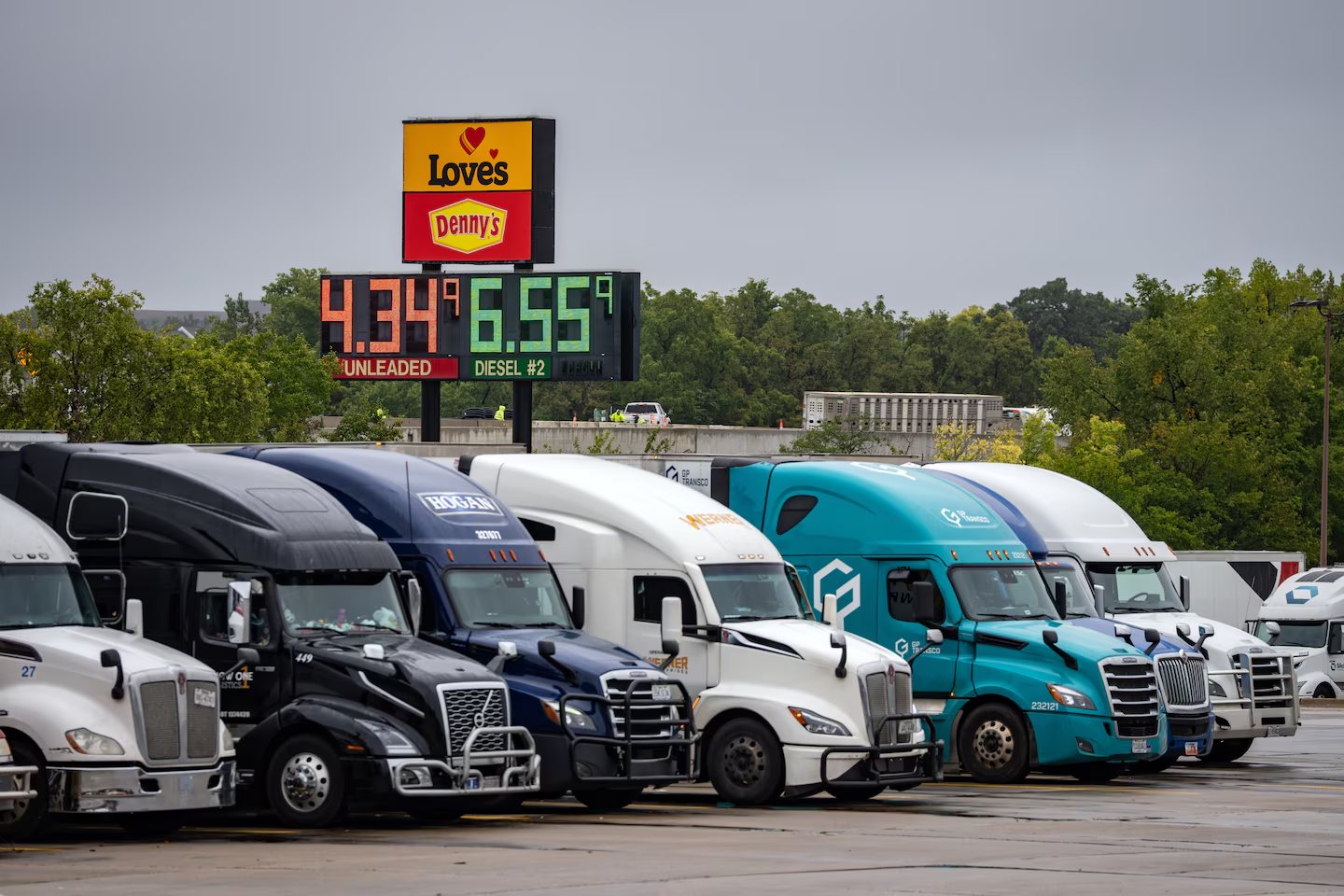
The Trump administration is reviewing the possibility of instituting a ban on diesel exports in response to escalating prices. This consideration arises amid growing concerns about the impact of rising fuel costs on consumers and the broader economy. However, experts suggest that introducing such a ban may not effectively address the underlying issues causing the high prices at gas stations.
Current discussions within the administration indicate a focus on examining the potential benefits and drawbacks of a diesel export ban. The rationale behind this examination is to explore measures that could stabilize fuel prices, which have become a significant concern for many households.
Despite these intentions, analysts caution that restricting diesel exports might not bring the desired relief to consumers. They argue that the complexities of the market and various other factors contribute to price fluctuations, suggesting that a ban could be insufficient to resolve the situation.
As the administration weighs its options, the impact of global supply chains, refining capacities, and consumer demand remains central to the conversation around fuel pricing.
In this uncertain backdrop, the administration’s findings may shape future energy policy and its approach to managing fuel costs.
Why this story matters: The consideration of a diesel export ban reflects broader concerns about energy prices and their effect on the economy.
Key takeaway: Experts believe that a diesel export ban may not be an effective solution to high fuel prices.
Opposing viewpoint: Some argue that restricting diesel exports could help stabilize domestic fuel markets.