

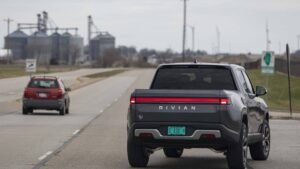
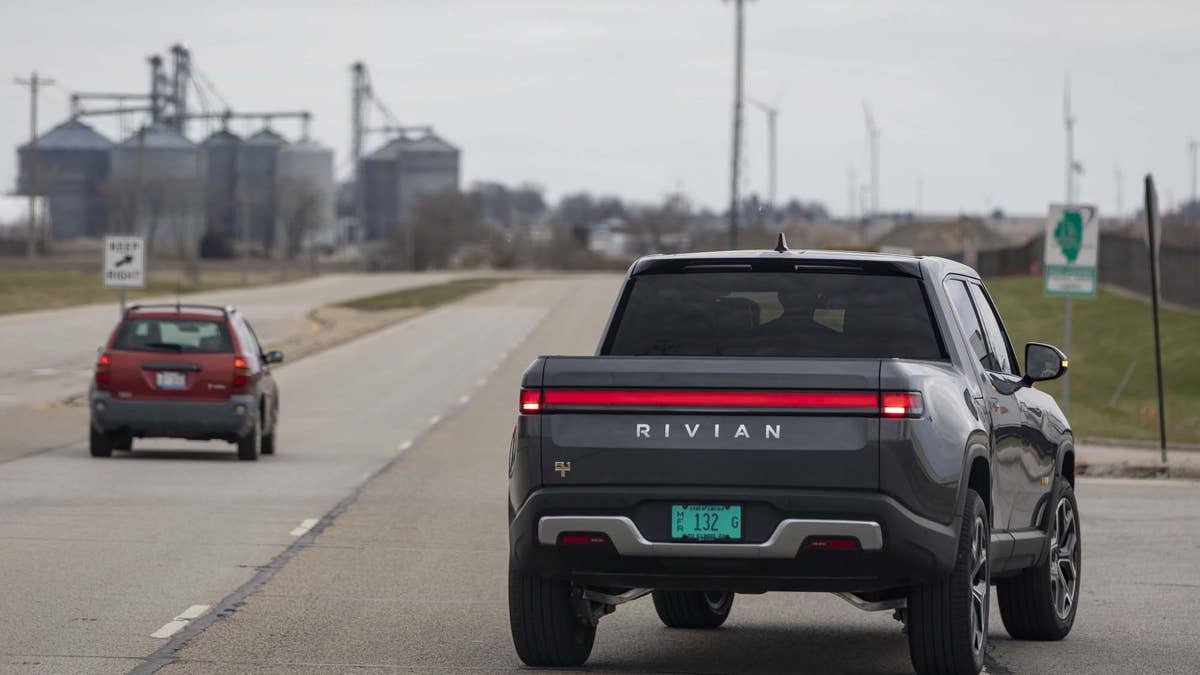
Rivian Automotive announced a recall affecting approximately 100,700 vehicles due to a software issue that may obstruct the rearview camera image when drivers reverse. This recall encompasses a majority of Rivian’s vehicles produced since August 2021. The National Highway Traffic Safety Administration (NHTSA) had mandated backup cameras for most new vehicles starting in May 2018, due to the high incidence of backover accidents, which claim nearly 210 lives annually.
The specific glitch occurs when a stability control prompt inadvertently hides the camera view, although the image is restored once the car is in motion. Rivian clarified that it is not aware of any incidents or injuries linked to this issue. Notably, over 95% of the affected vehicles already include a software fix. The company advises owners to update their systems over-the-air and check their vehicle identification number on the recall page. Notification letters to owners are expected to be sent by November 9.
This recall marks Rivian’s fourth since January but is considered less severe due to the pre-existing fix. Rivian’s vehicles have transitioned to a software-focused model, where recalls may reflect coding issues rather than physical component failures. As the automotive industry leans more towards software-based solutions, recall numbers may increase, even as repair costs diminish.
Rivian’s shares have experienced fluctuations, trading below their IPO price, and analysts hold a cautious outlook with an average price target suggesting slight growth potential. The company remains focused on achieving its target of 65,000 to 70,000 vehicle deliveries this year.
Why this story matters: The recall highlights the challenges automotive manufacturers face in ensuring safety compliance while transitioning to software-defined vehicles.
Key takeaway: The majority of recalled vehicles already have the necessary software update, indicating effective preemptive measures by Rivian.
Opposing viewpoint: Skeptics may argue that relying on software updates for compliance can mask deeper quality control issues within new vehicle production.