



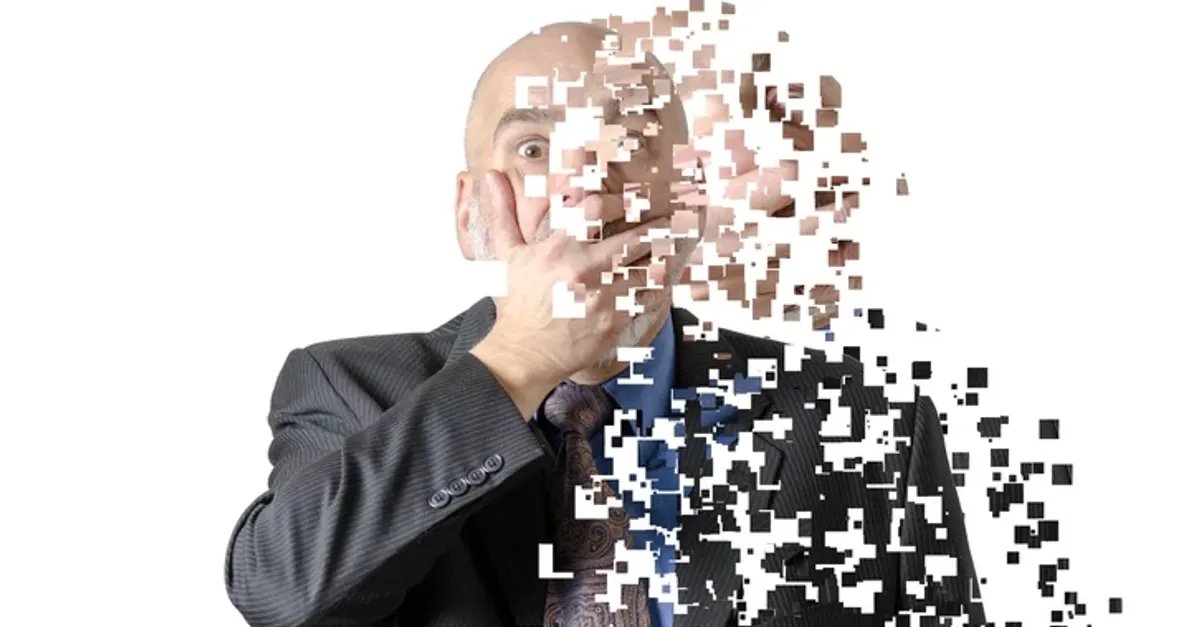
The narrative surrounding artificial intelligence (AI) often gravitates toward the consequences of extinction, amplifying fears of a future where intelligent machines dominate human life. This perspective stems from alarmist views that suggest AI could surpass human intelligence, leading to scenarios where humanity is rendered obsolete.
However, a growing body of thought suggests this viewpoint may oversimplify the complexities of AI development and integration. Proponents of AI argue that technology has the potential to enhance human capabilities rather than replace them, pointing to positive applications in healthcare, education, and other sectors that improve quality of life. They stress the importance of responsible AI governance, emphasizing the need for ethical frameworks and regulations to guide the technology’s evolution.
Moreover, critics of the extinction narrative assert that focusing solely on the potential for catastrophic outcomes detracts from addressing immediate societal challenges, such as job displacement, privacy concerns, and ethical dilemmas surrounding AI applications. Engaging with these challenges through proactive measures can lead to more balanced discussions about AI’s role in our future.
The debate around AI often reflects deeper societal fears and anxieties about technology’s increasing influence on daily life. Striking the right balance between technological advancement and ethical considerations is crucial for ensuring a beneficial coexistence between humans and AI.
– Why this story matters: Understanding the implications of AI is critical as technology continues to evolve and influence various sectors.
– Key takeaway: While fears of AI-induced extinction dominate discussions, a more nuanced understanding emphasizes the technology’s potential to enhance human life, provided there is responsible governance.
– Opposing viewpoint: Critics argue that focusing on potential advantages overlooks significant ethical and societal concerns that must be addressed as AI systems become more integrated into society.