

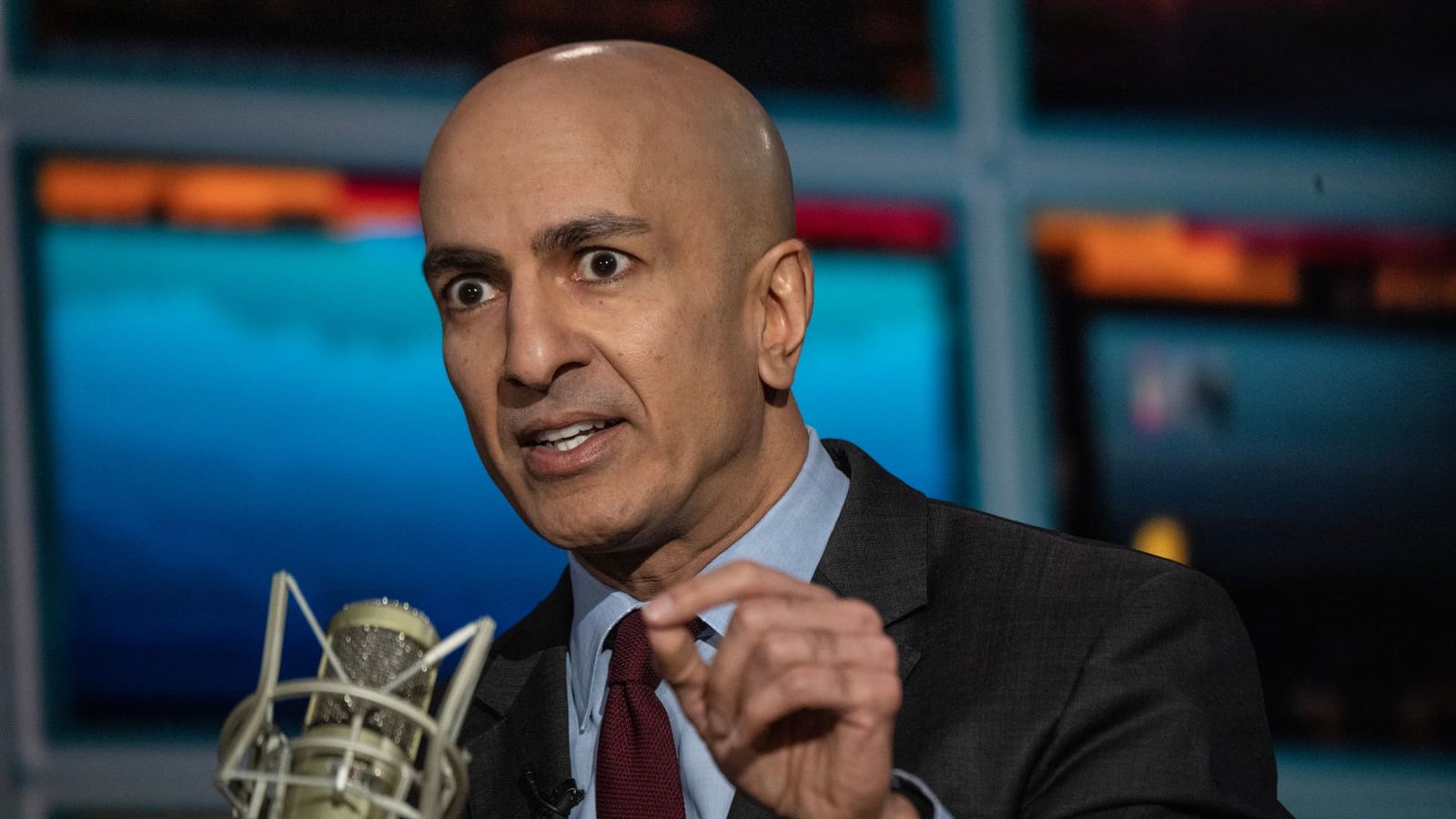
Minneapolis Federal Reserve President Neel Kashkari expressed ongoing concerns about inflation despite recent data indicating a cooler economic environment. In an interview with CNBC, Kashkari emphasized that inflation remains "too high," referencing the August personal consumption expenditures price index, which serves as the Fed’s preferred inflation gauge. The core index, excluding food and energy prices, registered an annual rate of 3%, lower than many economists had anticipated.
Kashkari noted that various inflation measures continue to reflect a rate around 3%, persisting at elevated levels for over five years. He indicated that recent economic data, including reports on consumer spending and gross domestic product, suggest resilience in the economy. Reflecting on previous discussions with labor union leaders, he acknowledged that inflation can significantly impact workers, often more acutely than a recession.
This month, the Fed enacted its first interest rate increase in three years to address rising price levels, with indications that additional hikes may follow. While Kashkari described the labor market as "pretty good," he also remarked that it was not "great." The recent ADP report revealed that private payrolls grew more than expected in September.
Kashkari also discussed the implications of the artificial intelligence (AI) boom, suggesting that its success could enhance productivity in the U.S. economy. However, he expressed concerns regarding the potential for corporate investments in AI not yielding the anticipated benefits, which could adversely affect the economy.
The Fed president acknowledged that while interest rate adjustments may not significantly impact the tech sector, they could benefit other economic areas by influencing borrowing costs.
Why this story matters: The comments from Kashkari highlight ongoing economic challenges related to inflation and the Fed’s policy responses.
Key takeaway: While inflation data shows signs of cooling, it remains above preferred levels, prompting continued vigilance from the Fed.
Opposing viewpoint: Some experts argue that current inflation measures do not fully reflect economic realities, suggesting that the Fed’s responses may be overly cautious.