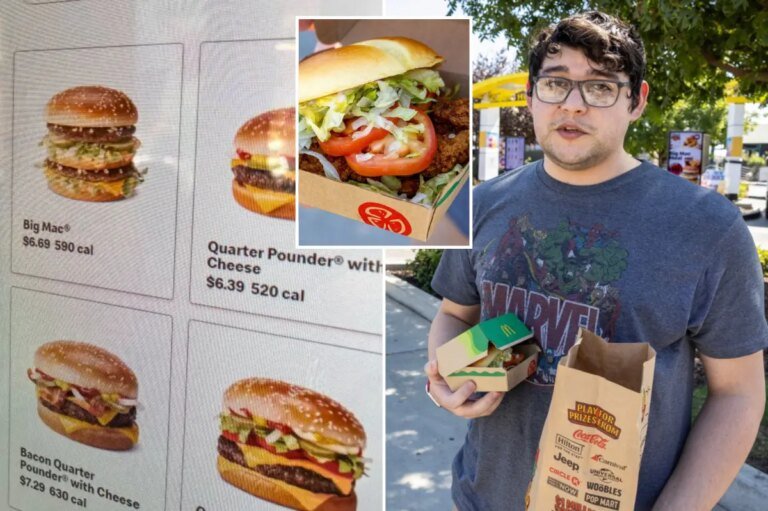



McDonald’s is pivoting sharply in response to evolving consumer health trends, particularly the growing demand for higher protein options among diners, including those using GLP-1 medications for weight management. The fast-food giant has initiated a $8.5 billion, decade-long plan known as “McDonald’s Next,” which aims to revamp its menu to cater to these dietary preferences.
Company CEO Chris Kempczinski highlighted in a recent CNBC interview the importance of aligning the menu with future consumer expectations, emphasizing smaller, protein-packed offerings such as grilled chicken sandwiches, wraps, and egg bites. To further mark this shift, McDonald’s has introduced protein indicators for 17 menu items on its app and kiosks, with over 30 items containing at least 15 grams of protein.
Recent statistics support this strategic shift; approximately 30 million Americans are currently using GLP-1 medications, with an additional 60 million seeking more protein in their diets. A Gallup study suggests that 11% of American adults are GLP-1 users, a demographic that McDonald’s hopes to attract by meeting their changing order preferences. Notably, 84% of households with a GLP-1 user still frequent McDonald’s, suggesting that the company is not just looking to forge new customer bases, but also to adapt to existing ones.
Despite dietary adjustments, GLP-1 users continue to dine out regularly, showing only slight reductions in the number of items ordered. Future projections indicate that households with GLP-1 users will constitute a substantial portion of U.S. consumers, compelling restaurants to adapt their offerings to maintain this customer base.
Why this story matters:
- The shift in McDonald’s menu reflects broader dietary changes driven by health trends.
Key takeaway:
- The fast-food chain is adapting to consumer demand for protein-rich meals amidst the rise of health-conscious eating.
Opposing viewpoint:
- Some critics may argue that these changes still do not address the overall nutritional quality of fast food.