



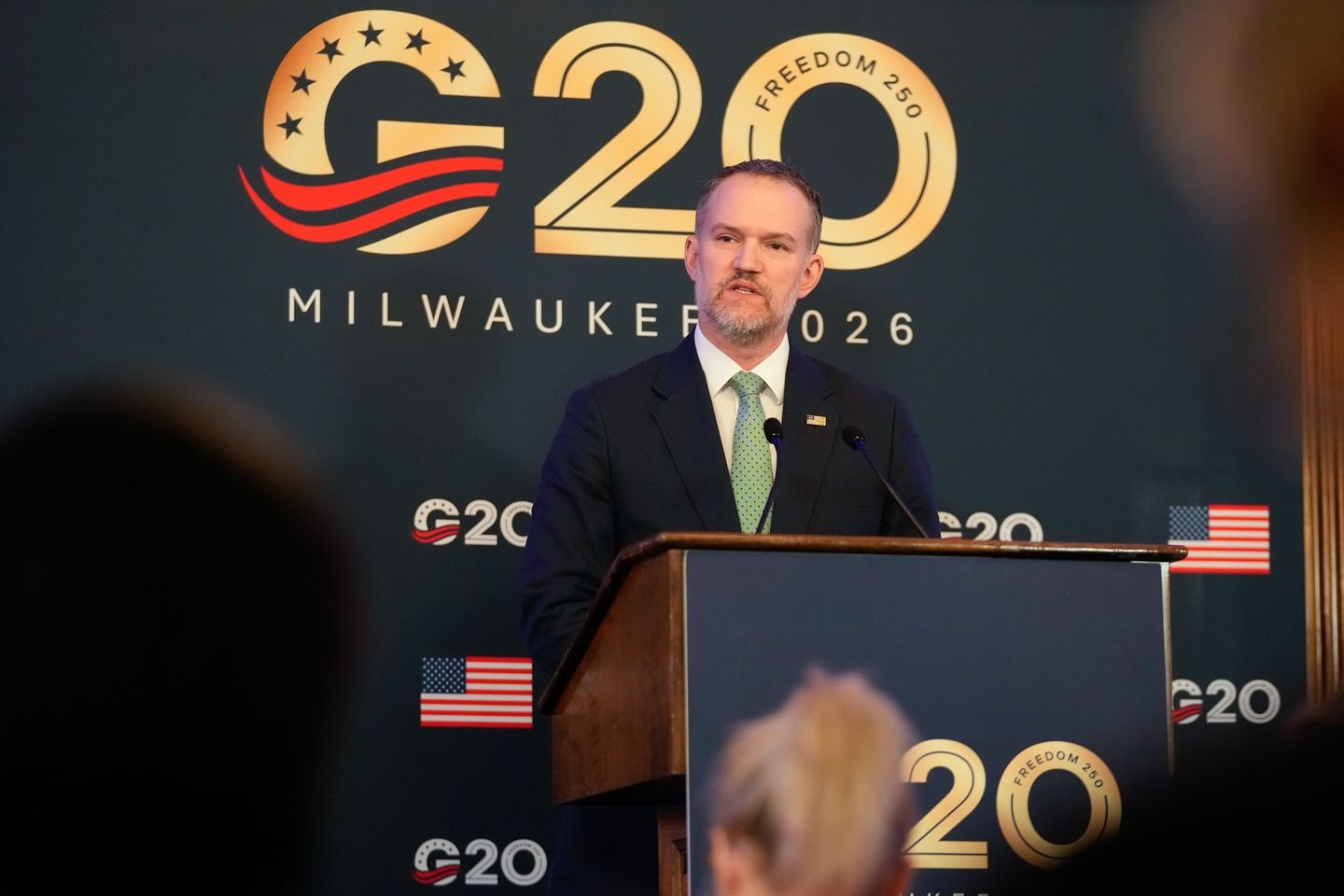
G20 trade ministers concluded their meeting on Thursday without reaching consensus on measures aimed at limiting the influx of overproduced and underpriced goods into global markets. This issue has been highlighted by the Trump administration, which argues that such practices adversely affect American manufacturers by creating unfair competitive pressures.
The discussions have highlighted the ongoing concerns regarding market distortions caused by excessive production and pricing that does not reflect the true value of goods. The failure to agree on a coordinated strategy underscores the complexities of international trade negotiations, particularly in a time of economic uncertainty.
The inability to implement a framework for addressing these trade challenges raises questions about future cooperation among G20 nations and their collective approach to trade policy.
Why this story matters
Key takeaway
Opposing viewpoint