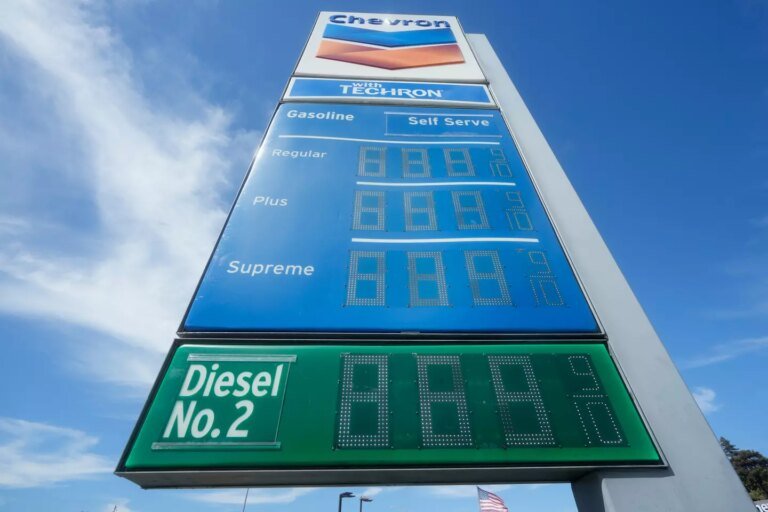


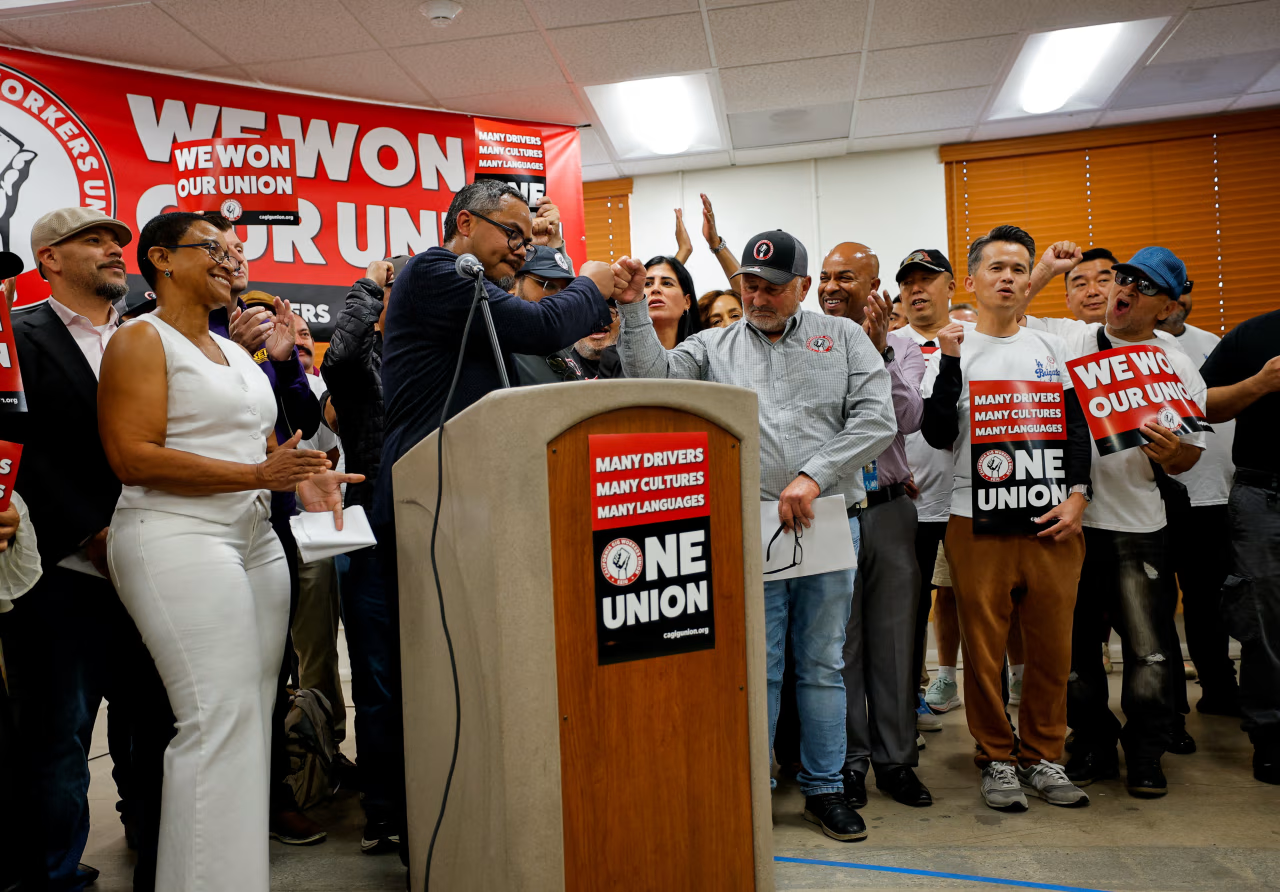
In California, where gas prices are among the highest in the United States, a significant number of Uber and Lyft drivers are coming together to advocate for better working conditions and compensation. This coalition aims to address the financial strains that rising fuel costs impose on gig workers.
Drivers report that the current fare structures do not adequately reflect the operational costs they face, particularly as fuel prices soar. Many are urging rideshare companies to increase their fares or implement measures that would provide financial relief. The movement reflects a growing recognition of the economic challenges faced by gig economy workers and seeks to influence policy changes that enhance worker rights and benefits.
The collaboration between Uber and Lyft drivers highlights a broader trend where gig workers across various platforms are seeking to unite in order to improve their working conditions. This grassroots effort underscores the need for the rideshare industry to adapt to the evolving landscape of labor rights and worker welfare in the face of rising costs.
As the coalition gains momentum, it aims not only to negotiate with rideshare companies but also to raise public awareness about the struggles faced by gig economy workers. The outcome of this movement could set a precedent for similar initiatives in other states, potentially impacting legislation and corporate practices nationwide.
Why this story matters
- The collaboration may influence policy regarding gig worker rights and compensation.
Key takeaway
- Drivers are advocating for increased fares and better working conditions amid rising fuel prices.
Opposing viewpoint
- Some argue that market dynamics should dictate fare structures, opposing enforced increases.