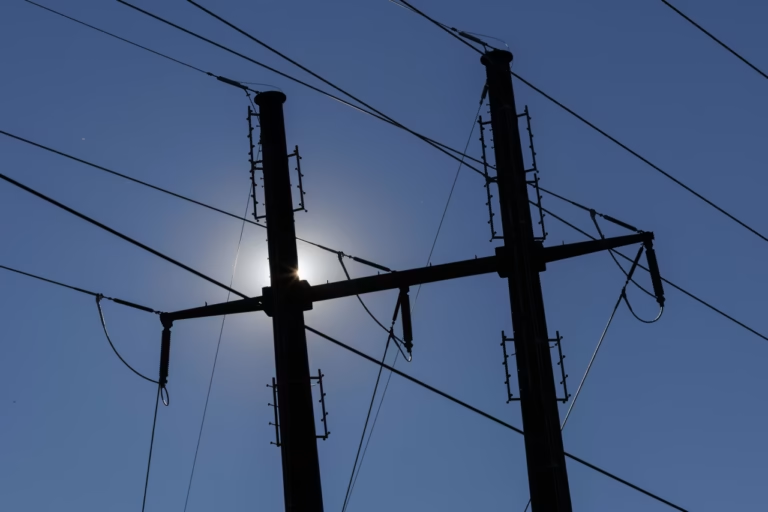



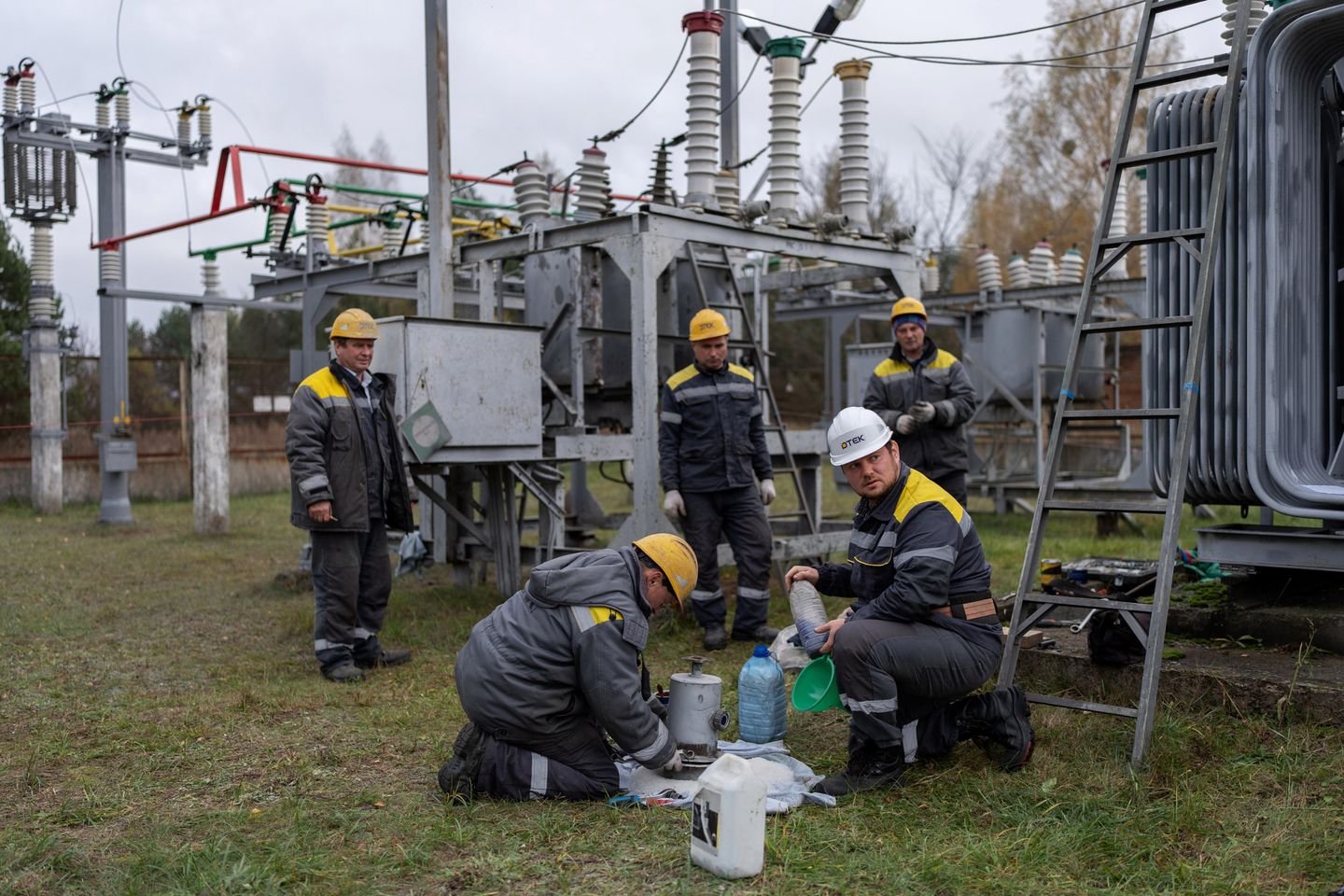
President Trump announced on Sunday that Russia and Ukraine have reached an agreement to cease hostilities targeting each other’s energy infrastructure. This development comes amid ongoing tensions and conflict between the two nations, marking a potential step toward reducing the impact of the war on their respective energy resources.
The agreement has garnered mixed reactions from various stakeholders, highlighting the complexities of the situation. Observers believe that halting these attacks could help stabilize energy supplies and mitigate further economic repercussions for both countries, particularly as the winter season approaches.
The ceasefire on energy infrastructure is particularly significant as both nations rely heavily on their energy sectors for economic stability and security. By avoiding direct assaults on these critical resources, there is potential for creating a more sustainable environment for dialogue and negotiation in other areas of the conflict.
This announcement reflects ongoing diplomatic efforts, as stakeholders push for solutions to reduce hostilities. It remains to be seen how this agreement will be implemented and whether it can lead to broader peace discussions between Russia and Ukraine.
Why this story matters:
- The agreement could help stabilize energy supplies in both nations amid ongoing conflict.
Key takeaway:
- A ceasefire on energy infrastructure represents a significant diplomatic development that may open pathways for further negotiations.
Opposing viewpoint:
- Some analysts remain skeptical about the longevity and effectiveness of the agreement, citing past failures in peace negotiations.