


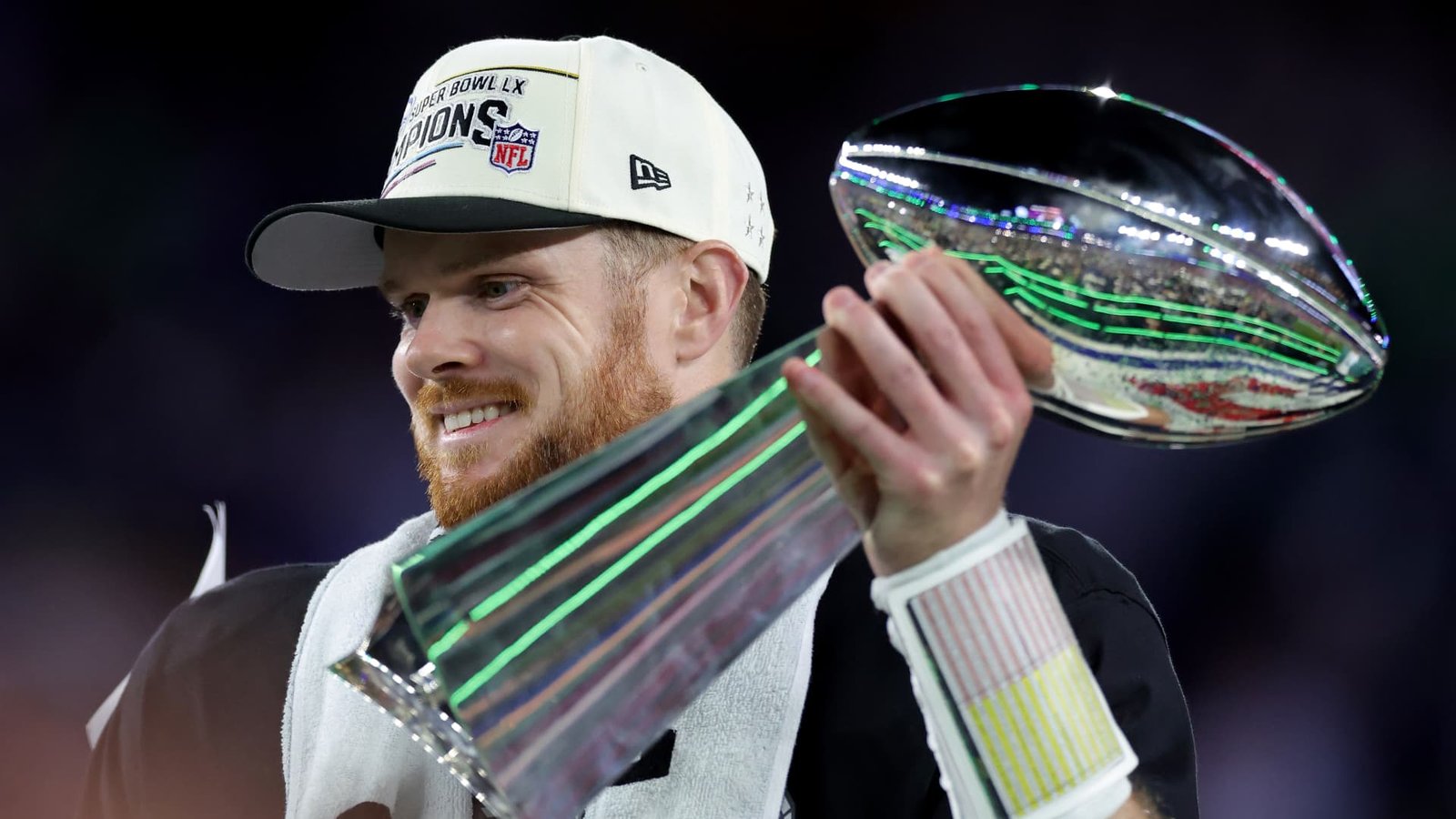
Quarterback Sam Darnold of the Seattle Seahawks celebrated with the Vince Lombardi Trophy after leading his team to victory over the New England Patriots in Super Bowl LX, held at Levi’s Stadium in Santa Clara, California, on February 8, 2026. In a significant development for sports broadcasting, Disney announced that its streaming service, Disney+, will air the Super Bowl in February 2027, along with two Monday Night Football games leading up to the championship. This marks the first time that Disney’s ESPN sports division will produce the Super Bowl, which will also be available on ESPN and ABC.
Interest in the upcoming Super Bowl is already remarkable, with Disney reporting that ad spots for the event are sold out—an unprecedented sellout timing in the history of the Super Bowl. This initiative aligns with Disney’s strategy to enhance its live sports streaming options. Last year, the company launched a standalone ESPN streaming service, distancing its sports content from traditional cable packages.
In addition to the Super Bowl, Disney announced that Formula E, the racing series for electric vehicles, will be accessible to Disney+ subscribers starting December 18. Other streaming platforms are similarly targeting live sports to strengthen their offerings. Recent reports indicate that Alphabet’s YouTube is seeking additional live sports rights, having already committed about $2 billion annually for the “NFL Sunday Ticket” through the 2029-30 season. Additionally, Netflix has plans to broadcast five NFL games during the 2026-27 season and has expressed interest in acquiring international NFL game rights if they become available.
Why this story matters: Disney’s move represents a major pivot in how sports are consumed, highlighting the growing importance of streaming services in live sports broadcasting.
Key takeaway: The integration of live sports into streaming services reflects a significant trend in media consumption and advertising strategies.
Opposing viewpoint: Some industry experts argue that traditional cable may continue to dominate broadcasting rights, potentially limiting the reach of streaming platforms like Disney+.