


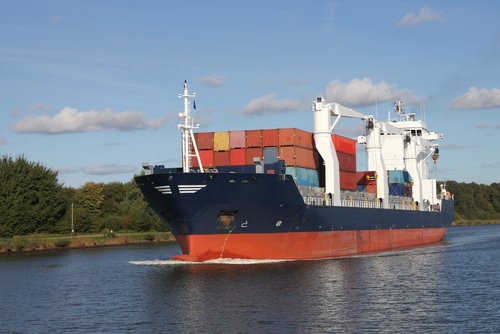
For businesses seeking to expand globally, understanding the principles and regulations of exporting is crucial. Owners must navigate a complex landscape to successfully reach international markets, often requiring significant research and preparation.
A key requirement for exporting goods from the UK is obtaining an Economic Operators Registration and Identification (EORI) number, essential for handling customs declarations and export licenses. As of January 1, 2022, exports from Great Britain to the EU are subject to comprehensive customs controls, necessitating accurate declarations and compliance with obligations outlined by HM Revenue and Customs (HMRC).
Experts emphasize that exporting can significantly enhance a business’s competitiveness and innovation, yet it comes with distinct risks. These include financial uncertainties, fluctuating exchange rates, and the necessity for stringent compliance with international regulations. Enterprises are encouraged to assess their exporting potential, gauge demand for their products abroad, and understand the operational standards of target markets.
Utilizing resources like freight forwarders and customs representatives can alleviate some exporting challenges. Businesses are also advised to consider government support programs designed to facilitate international trade, including training and market analysis.
Successful case studies highlight different strategies: Robinson of England, a furniture company, reports that 50% of its sales stem from overseas markets, while clothing brand Oxcloth actively markets globally from its inception, successfully exporting to over 60 countries.
In summary, while exporting can be a path to growth, businesses must effectively strategize, stay informed about evolving regulations, and remain responsive to international market dynamics.
Why this story matters:
- Understanding exporting regulations is essential for UK businesses in a global market.
Key takeaway:
- Proactive research and compliance can help businesses successfully navigate international trade.
Opposing viewpoint:
- Some argue that the complexities and costs associated with exporting may outweigh potential benefits for smaller enterprises.