


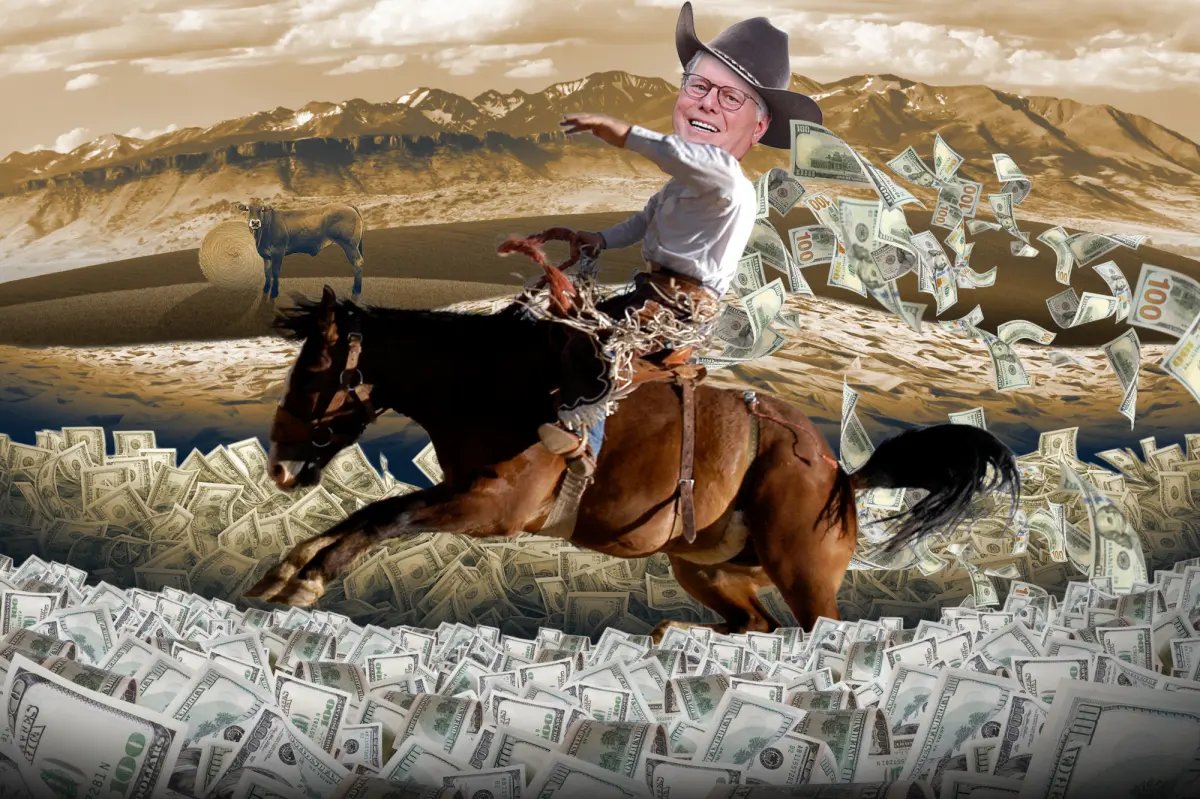
David Zaslav, former CEO of Warner Bros Discovery (WBD), is currently navigating life after his departure, which has sparked considerable interest within media circles. After orchestrating the $81 billion sale of WBD, Zaslav has accrued approximately $1 billion in compensation from his tenure, allowing him a comfortable financial cushion to explore his next endeavors at a leisurely pace.
The extensive process of selling WBD was marked by a competitive bidding climate, legal obstacles, and an eventual settlement with state attorneys general regarding antitrust concerns. Ultimately, the deal was recognized as a necessary merger to better position both companies against major tech competitors.
Zaslav’s impact on WBD has been significant; he addressed the company’s extensive debt and disorganized structure, setting the stage for increased shareholder value. His leadership transformed the company’s performance, contributing to a dramatic stock price increase from around $7 to $31 during his stewardship.
While Zaslav is currently enjoying a break—engaging in biking and spending time with family in Montana—industry insiders suggest he is contemplating a future return to the media landscape. Possible avenues include collaborating with his mentor John Malone on new business ventures or even writing a memoir chronicling his impressive career.
Despite his substantial wealth, which provides him the luxury of time, Zaslav has expressed a desire to explore new hobbies outside of his intense corporate life. Friends indicate that he remains open to numerous possibilities, signaling that he may not be off the radar for long.
Why this story matters:
- The sale of WBD signifies major shifts in the media landscape and the impact of leadership changes.
Key takeaway:
- Zaslav’s leadership transformed WBD, underscoring the significant role executives play in corporate success.
Opposing viewpoint:
- Critics may argue that his substantial earnings amid company debt were disproportionate to the challenges the company faced.