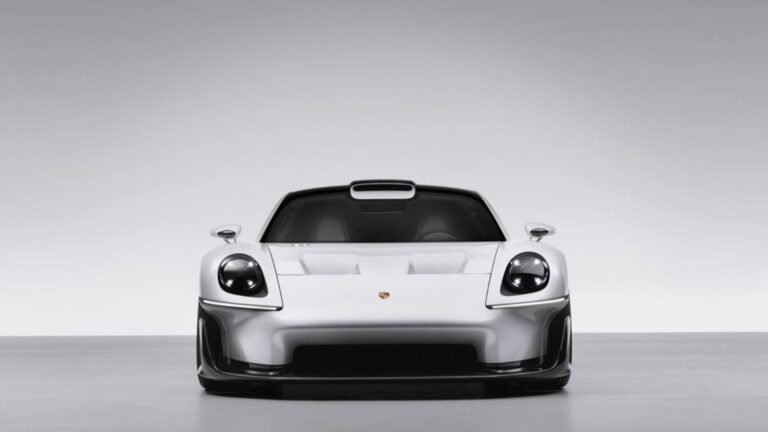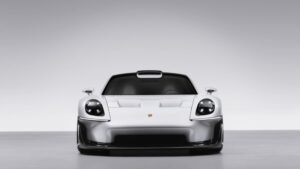
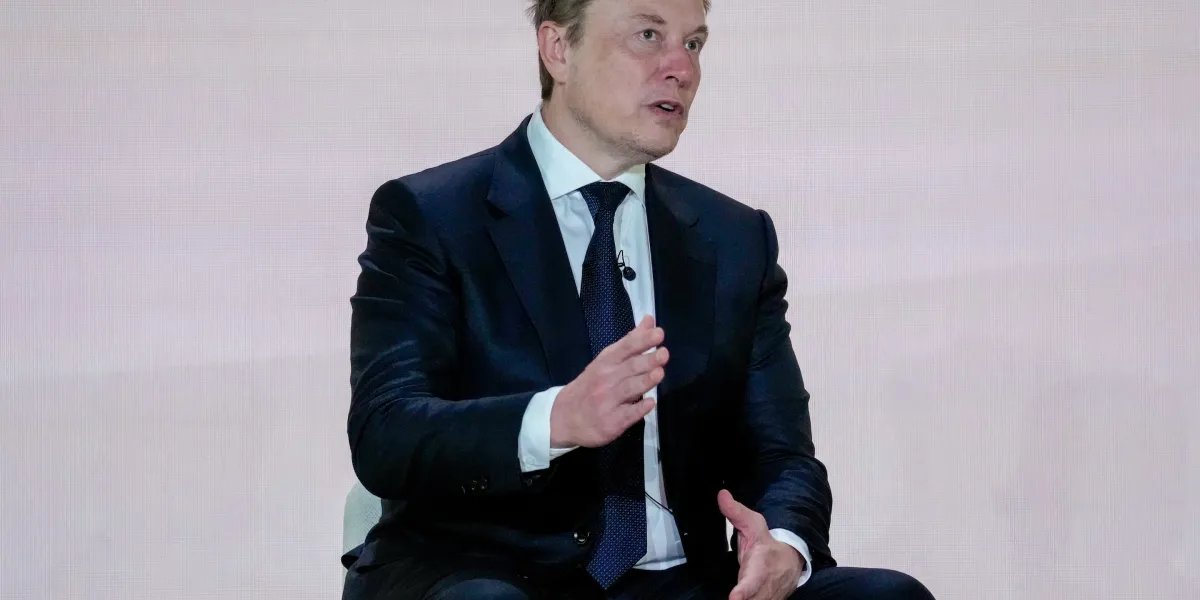
Tesla has made significant strides toward the concept of flying cars with a recent demonstration of its redesigned Roadster at SpaceX’s facility in McGregor, Texas. CEO Elon Musk and the company showcased the vehicle’s ability to perform aerial maneuvers, including driving upside down along a curved ramp and using compressed air thrusters to leap over other Tesla models.
Initially announced in 2017, the Roadster was intended as an electric supercar boasting remarkable acceleration, a four-passenger capacity, and a range of 620 miles on a single charge. However, multiple delays have pushed production to 2028, eight years later than initially projected. Tesla’s commitment to the Roadster has been characterized as lower priority amid supply chain challenges.
The latest iteration comes with three versions: Performance, a two-seater with active aerodynamics; Thrust, which adds thrusters for rapid acceleration; and Rocket, an exclusive model capable of limited flight. Notably, the new design has reduced seating capacity and range, with promised figures now at over 300 miles.
While the prototype demonstrated intriguing capabilities, it raised regulatory questions. The Federal Aviation Administration stated that it does not regard the vehicle as an aircraft, thus avoiding the need for airworthiness certification. Tesla has also described the Rocket version as "not approved for public road use." Musk himself has acknowledged that the Roadster is not safety-optimized.
Despite its high reservation fees—starting at $50,000 and reaching $250,000 for premium models—the Roadster is expected to have limited impact on Tesla’s overall revenue, functioning more as a “halo car” that illustrates the company’s advanced technology rather than a volume seller.
Why this story matters
- Tesla’s innovation feeds public interest in advanced transportation technologies.
Key takeaway
- While the Roadster showcases futuristic capabilities, practical implementation and regulatory pathways remain unclear.
Opposing viewpoint
- Critics argue the focus on high-end, niche products like the Roadster distracts from Tesla’s core mission of mass-market electric vehicles.