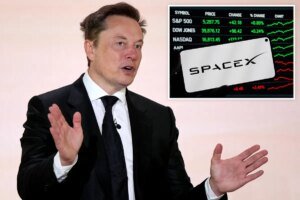

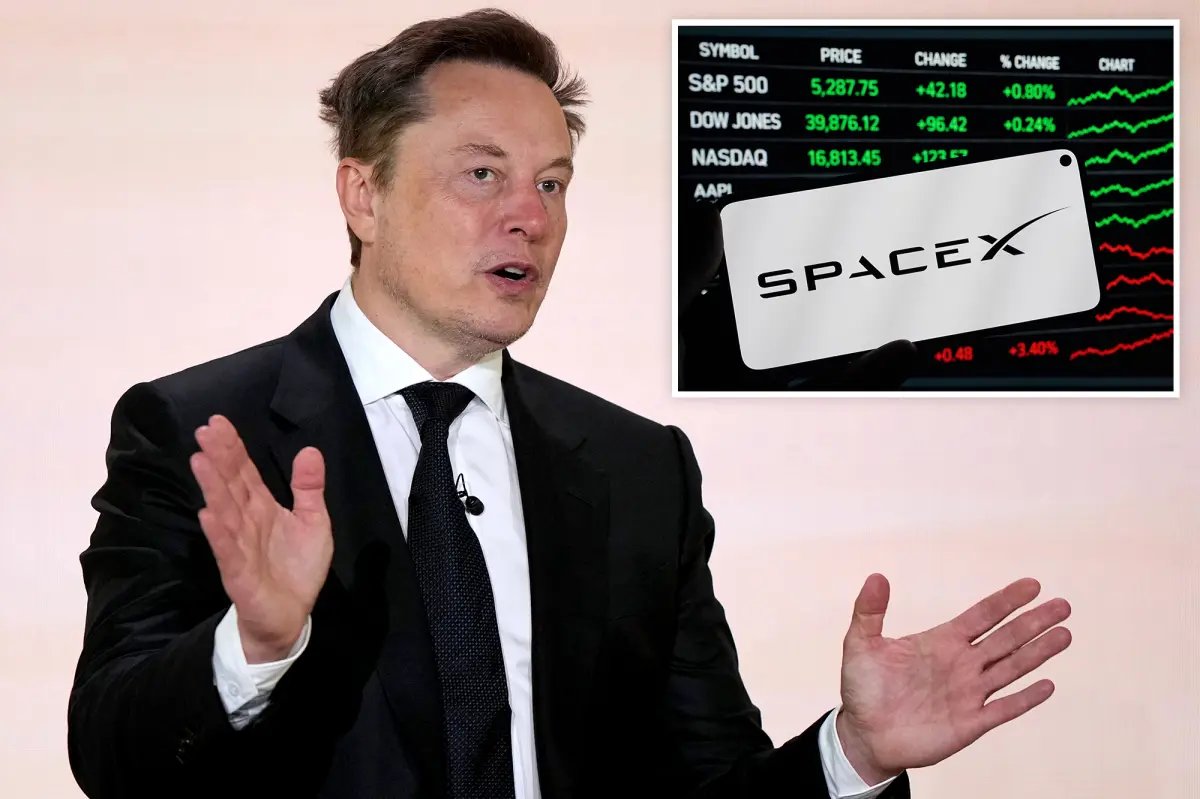
Elon Musk announced early Monday his intention to distribute one of his SpaceX shares to every child in America next year, hinting that this initiative will be just the beginning of similar endeavors. The announcement was made via a post on X, which garnered nearly six million views within a short period.
Musk, noted for being the world’s first trillionaire, did not provide specific details on how this share distribution would be executed. Based on census data, there are approximately 72 million children under the age of 18 in the U.S., suggesting the total value of the giveaway could reach around $10.5 billion, given SpaceX’s recent closing stock price of $146.03 per share.
This announcement follows Musk’s critique of a proposal by AI safety company Anthropic to allocate 5% of its shares to a public benefit fund. Musk advocated for directly giving shares to the public, aligning with his broader vision of philanthropy.
The concept of charitable distributions of wealth, especially in such large scale, raises questions about economic equity and the responsibilities of billionaires in society.
Why this story matters:
- The announcement highlights the intersection of wealth distribution and corporate responsibility in modern society.
Key takeaway:
- Musk’s plans could significantly impact children in America and reflect growing discussions on wealth philanthropy.
Opposing viewpoint:
- Critics may argue that the direct distribution of corporate shares bypasses systemic issues of inequality and does not address the root causes of poverty.