


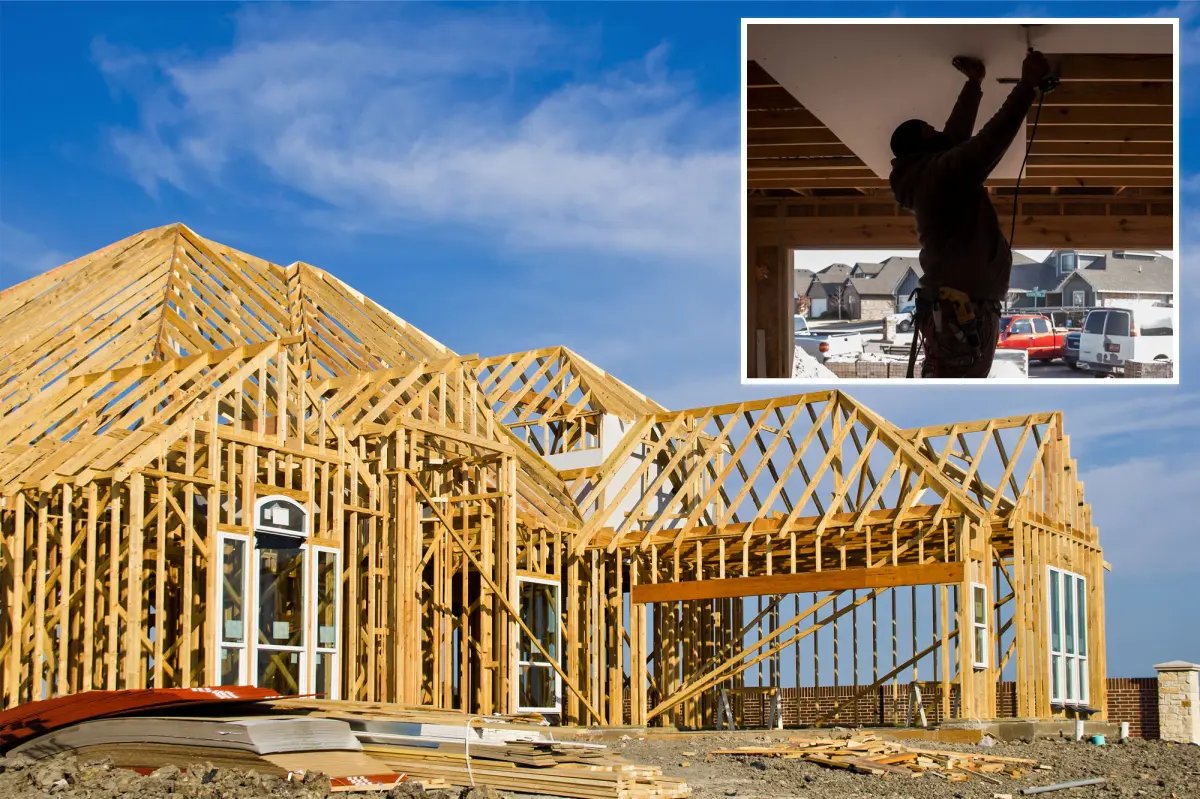
American home builders are facing significant challenges as confidence in the market for newly constructed single-family homes has reached a 14-year low. The National Association of Home Builders, in collaboration with Wells Fargo, reported that their index of builder confidence dropped three points to 29 in the latest month, marking the lowest level since June 2012.
Experts attribute this downturn to several key factors, including soaring mortgage rates, persistent inflation, and a tight labor market. As prospective buyers contend with higher mortgage rates exceeding 7% and an overall increase in living costs, both buyer traffic and sales are experiencing dramatic declines. Ali Wolf, chief economist at Zonda, noted that this decline coincides with a traditional slow season for home sales.
Home sale prices, meanwhile, continue to rise, with a 2.1% increase reported from the second quarter of the previous year. The challenges have led builders to adjust their strategies, with more than 40% of them reportedly lowering prices last month in an effort to stimulate buyer interest.
While the overall market remains sluggish, the Midwest shows some resilience, with single-family building permits rising by 2.9% this year, attributed to relative affordability and steady job growth. In contrast, the luxury housing market is thriving, with demand for high-end properties remaining strong. Reports indicate that a significant number of luxury buyers are now paying in cash.
Luxury home prices are increasing faster than those of entry-level homes in 33 out of 50 major U.S. cities. Robert Dietz of the National Association of Home Builders emphasized that the luxury sector is "outperforming the rest of the building sector," highlighting a possible divide in economic recovery.
Why this story matters: The shifting dynamics in the housing market could signal broader economic trends affecting different income levels.
Key takeaway: While general confidence among builders is low, the luxury market continues to thrive amidst economic challenges.
Opposing viewpoint: The downturn in entry-level housing may indicate growing income inequality as more affluent buyers dominate the luxury segment.