


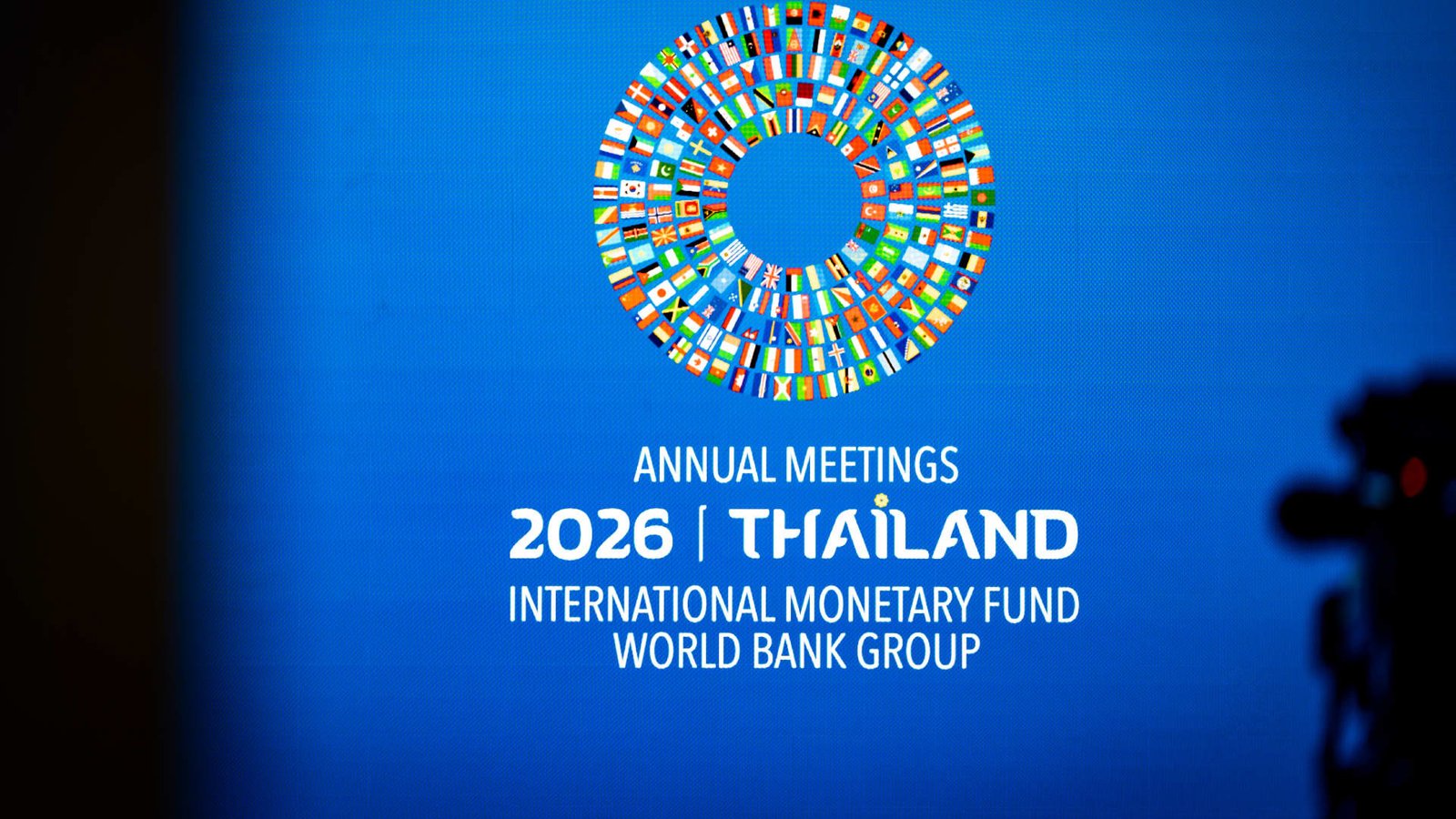
Finance leaders gathered in Bangkok for the annual International Monetary Fund (IMF) and World Bank meetings, reflecting on risks to the global economy. Key issues discussed included rising debt levels, the implications of artificial intelligence (AI), and trade imbalances, with China stepping back from its central role in these concerns.
This year’s meetings were notable for being the first in Asia since 2018 when they were held in Bali. Thailand last hosted the event in 1991, and discussions this year touched on various potential triggers for a financial crisis, ranging from global economic imbalances to the impact of technological advancements on productivity.
The IMF expressed optimism for economies such as South Korea and Japan, which stand to benefit from the expanding AI supply chain, but warned about the widening economic divide and rising borrowing costs linked to increased debt. IMF Managing Director Kristalina Georgieva highlighted the unsustainable trajectory of U.S. federal debt, prompting pushback from U.S. Treasury officials who questioned the IMF’s predictive accuracy.
Tensions surrounding Russia and Ukraine also emerged prominently during the meetings. Russian Finance Minister Anton Siluanov attended, despite pushback from European leaders over Russia’s participation in the G20. Ukraine’s central bank governor noted a strong show of solidarity for Ukraine from finance officials, while the Group of Seven pledged significant funding for repairing infrastructure at the Chornobyl nuclear site.
Interestingly, discussions surrounding China were limited compared to previous years, suggesting a perception of stability in U.S.-China relations, although there remain residual concerns over direct investments in the country.
Why this story matters:
- It highlights significant economic concerns that could impact global stability.
Key takeaway:
- Discussions at the meetings reflect shifting dynamics in international finance, emphasizing AI and debt over China’s role.
Opposing viewpoint:
- Some officials challenge the IMF’s warnings, viewing them as historically inaccurate and overly cautious.