


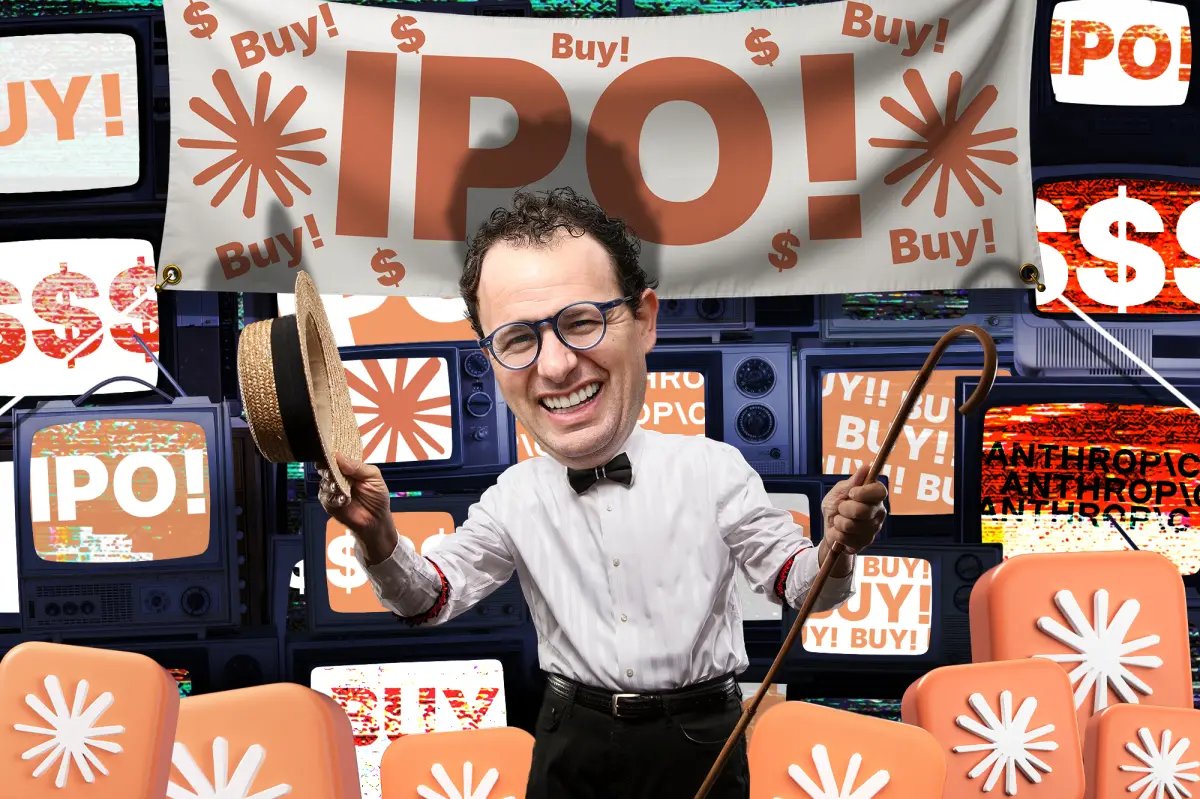
Investors are eagerly anticipating the release of Anthropic’s official S-1 filing related to its upcoming initial public offering (IPO), potentially occurring as early as Friday. The S-1 will provide critical insights into the AI company’s financial health and growth potential. Morgan Stanley and Goldman Sachs are reportedly the lead underwriters for the IPO, which could raise as much as $100 billion, valuing the company around $2 trillion.
Despite the excitement, there are concerns about the current volatility in AI-related stocks. Anthropic faces significant challenges, including substantial losses estimated at $80 billion in the first half of the year. The upcoming S-1 will also outline the company’s considerable debt load, reportedly exceeding $130 billion. Investors will scrutinize the filing for details on revenue growth projections, which are crucial for managing this debt.
Anthropic and competitors like OpenAI dominate the AI market; however, they are experiencing slowing growth rates—around 50% for Anthropic, down from previous highs. The S-1 is expected to address competition from "open-weight" AI models, which provide alternatives at lower costs and could impact Anthropic’s revenue.
Additionally, investors are interested in how Anthropic plans to manage costs associated with energy consumption, a growing concern given the demands placed on power grids by AI operations. Finally, the ongoing debate about the need to pause AI development could also influence investment sentiment.
As the IPO date approaches, investors are keen to understand Anthropic’s strategy and the viability of its growth plans in a competitive landscape.
Why this story matters
- The IPO could reshape AI investment dynamics, offering insights into financial sustainability and growth potential.
Key takeaway
- Anthropic’s S-1 will reveal critical information about its financial health, helping investors gauge the company’s viability.
Opposing viewpoint
- Some argue that the current valuations of AI companies may be inflated, prompting caution among investors.