

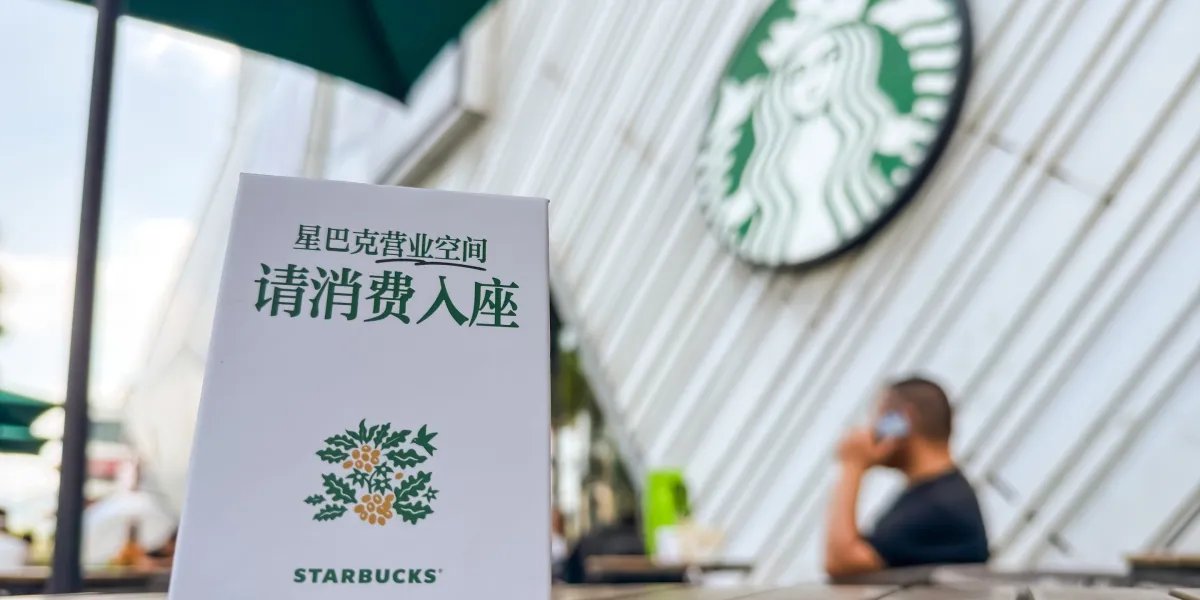
Starbucks has introduced a new policy across its approximately 8,000 cafés in mainland China, requiring customers to make a purchase before occupying a seat. This initiative, announced on October 21, aims to optimize seating for paying customers. Exceptions will be made for certain individuals, such as pregnant women and those with mobility issues, who will receive priority support, according to the company.
The decision has garnered largely positive feedback on social media, with many voicing the sentiment that Starbucks should prioritize selling its beverages rather than serving as a free study space. One user on Weibo noted that seating should be considered a resource provided to customers, not a right to be claimed without a purchase.
Additionally, Starbucks plans to allocate over 300 million yuan (approximately $44.9 million) to enhance the in-store experience through its “Third Place Initiative,” which includes increasing staffing during peak hours. This comes in response to growing competition in the Chinese market, particularly from Luckin Coffee, which overtook Starbucks in store count in 2022 and has become popular among younger consumers due to its pricing and convenience.
Starbucks’ revenue in China has faced challenges, dropping from $3.6 billion in its 2021 fiscal year to $3.2 billion in 2025. To address these challenges, Starbucks announced in November 2025 that it would sell a 60% stake in its China operations to the Hong Kong-based private equity firm Boyu Capital. The CEO, Brian Niccol, stated that this move aims to enhance customer service and expand market presence.
As part of a broader strategy, Starbucks locations globally are also adjusting their policies to manage seating, ensuring that paid patrons are prioritized.
Why this story matters:
- Highlights Starbucks’ strategic response to competitive pressures in China.
Key takeaway:
- The new seating policy aims to enhance customer experience and optimize resources in-store.
Opposing viewpoint:
- Critics argue that the policy could deter customers who wish to use the café for social or work purposes without the need to purchase.