


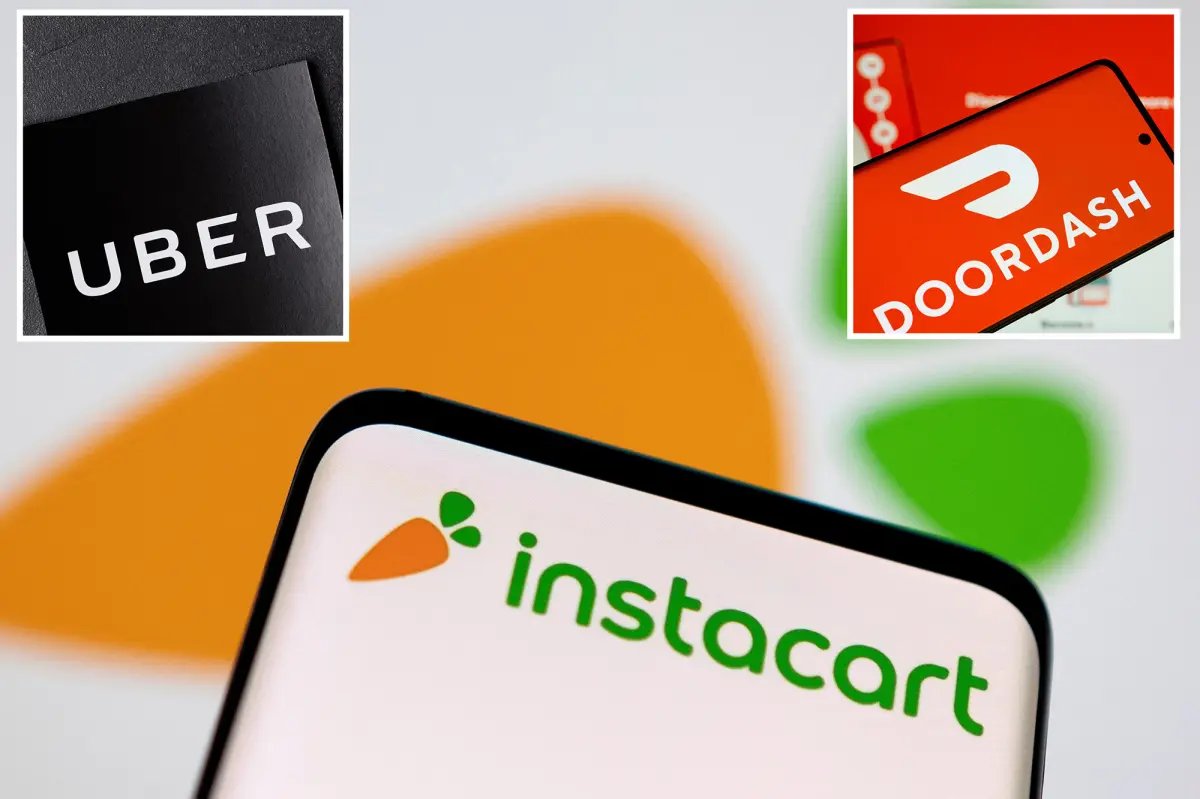
Grocery delivery service Instacart is exploring a potential sale, reportedly engaging in preliminary discussions with Uber and DoorDash, according to sources cited by The Information. An investment bank is assisting Instacart, which currently has an approximate valuation of $13 billion, in evaluating its options for a sale that could fetch between $16 billion to $17 billion, should a buyer be willing to pay a premium of 30% to 40%.
Instacart previously reached a valuation of $39 billion during the COVID-19 pandemic but has seen its market worth decline to around $12 billion. The discussions occur as both Uber and DoorDash expand their grocery delivery capabilities, engaging in multi-billion-dollar acquisitions in the food delivery sector.
Instacart’s spokesperson declined to comment on the matter. Any prospective acquisition might be subject to antitrust scrutiny, as both companies have competing grocery delivery services. Previous talks for a potential acquisition in 2021 were derailed due to concerns regarding regulatory approval under the Biden administration.
Instacart’s partnership with Uber, struck in 2024, enabled restaurant delivery through its app. Additionally, in 2022, Uber began using Instacart’s advertising technology for sponsored grocery placements. However, Instacart’s growth in advertising revenue has not yet matched that of its competitors.
Instacart posted $480 million in free cash flow in the second quarter of this year, with revenues rising 14% year-over-year to exceed $1 billion. Despite this, concerns remain regarding the company’s revenue growth trajectory, which has slowed significantly compared to its previous performance.
Currently, the discussions with potential buyers have not yielded an agreement, leaving the possibility of a sale uncertain.
Why this story matters:
- Possible shift in the grocery delivery landscape, impacting competition and services.
Key takeaway:
- Instacart is exploring strategic options amid declining valuations and rising competition in grocery delivery.
Opposing viewpoint:
- Antitrust issues could hinder any potential sale, reflecting broader regulatory scrutiny in the tech and delivery sectors.