


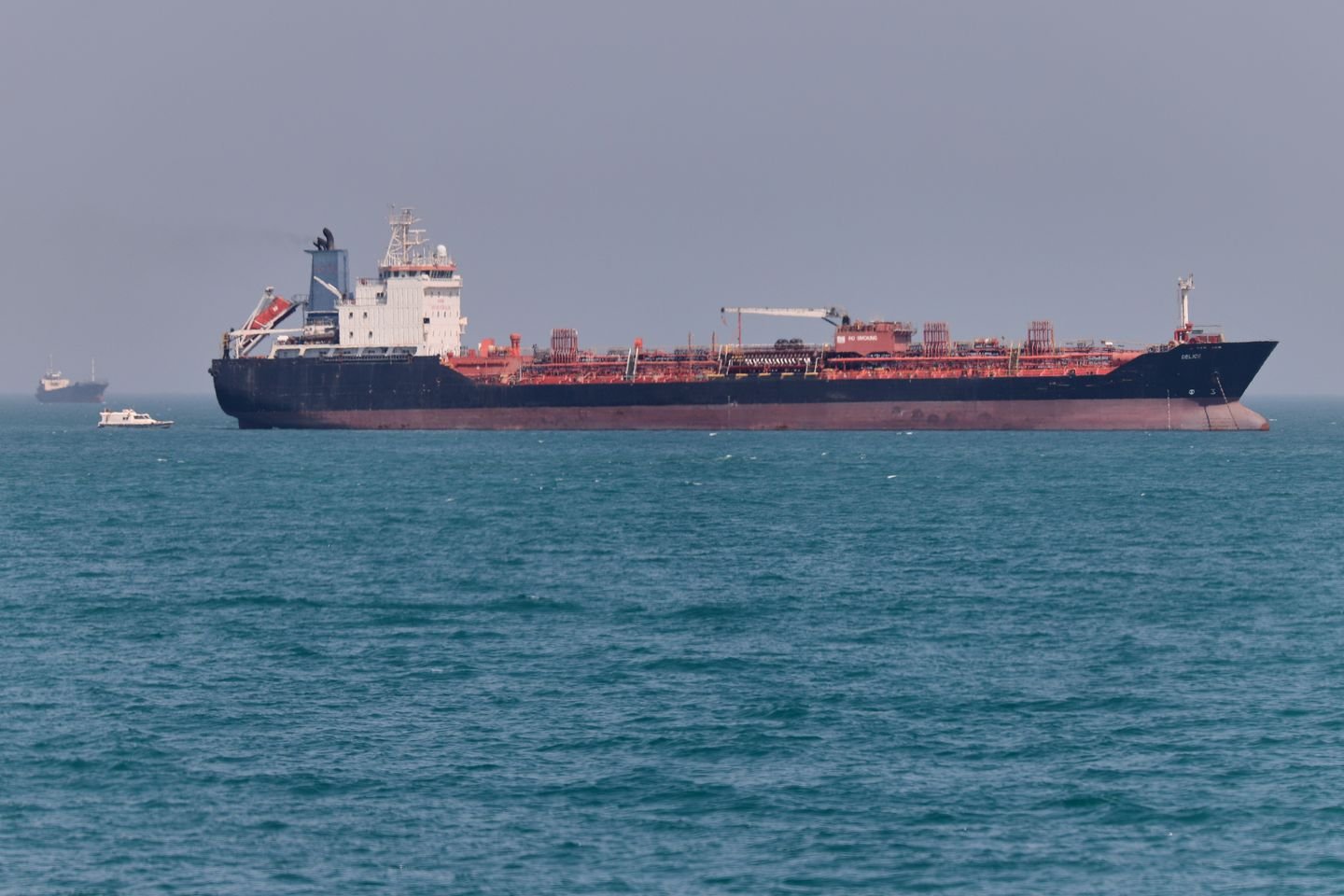
The U.S. Treasury Department has imposed sanctions on an Indian couple identified as key players in enabling Iran to circumvent international oil trade restrictions. The couple is alleged to have facilitated the Iranian government by supplying fraudulent registrations for its clandestine fleet of oil tankers. This action aligns with the U.S. government’s ongoing efforts to combat Iran’s attempts to bolster its oil exports in violation of sanctions designed to restrict its revenue streams.
The sanctions against the couple are part of a broader strategy to address Iran’s oil operations, which the U.S. and its allies view as a significant threat to global economic stability and security. By targeting individuals involved in the logistics and operations of Iran’s oil trade, the U.S. aims to disrupt the mechanisms that support Tehran’s efforts to maintain its oil sales, which contribute to its revenue.
The Treasury’s announcement emphasizes the importance of compliance with international sanctions and the repercussions faced by those supporting illicit trade operations. The couple’s actions underscore the complexities of the global oil supply chain, where various actors may facilitate transactions that violate international norms.
The targeted sanctions are seen as a critical element of the U.S. strategy to leverage economic pressure on Iran, aiming to influence its policies and deter further actions considered contrary to international standards.
Why this story matters:
- It highlights ongoing efforts to enforce international sanctions against Iran’s oil trade, which have significant geopolitical implications.
Key takeaway:
- Sanctions are a key tool used by the U.S. to disrupt Iran’s illicit oil operations and enforce compliance with international regulations.
Opposing viewpoint:
- Some critics argue that sanctions may not effectively curb Iran’s activities and could potentially harm ordinary citizens by limiting access to essential resources.