


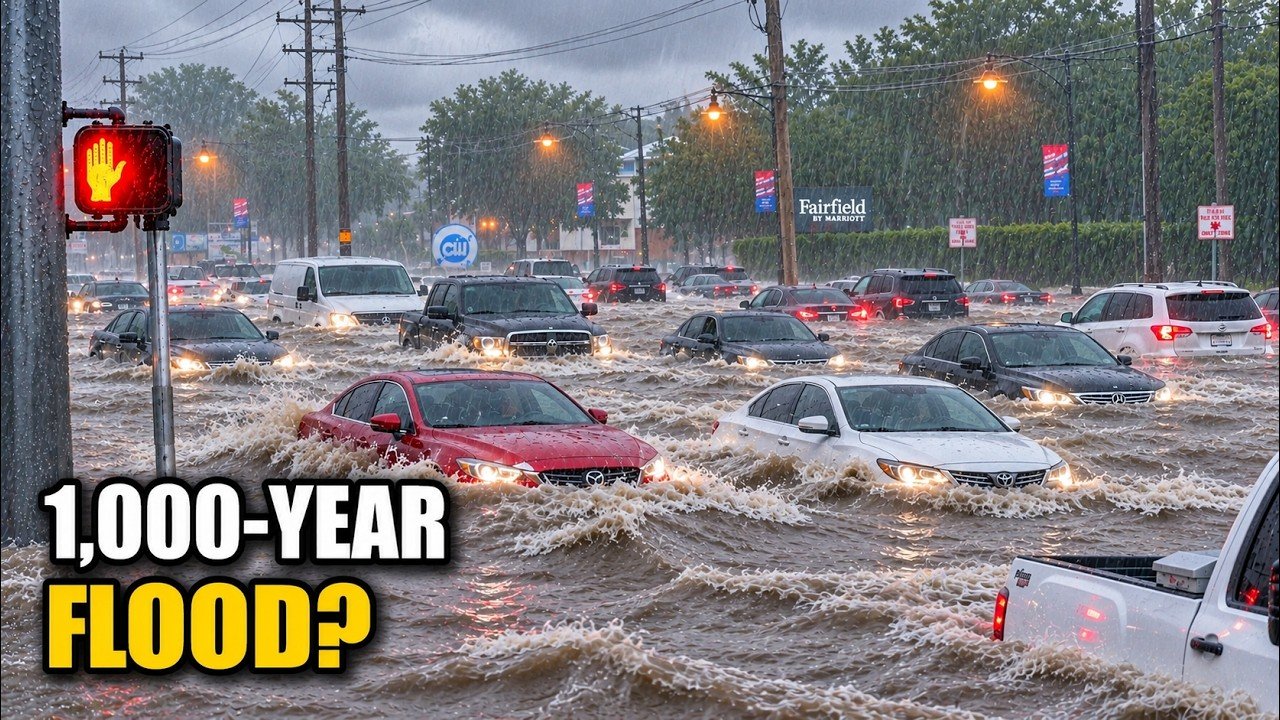
Arizona and Colorado have recently experienced severe flooding, while Florida is grappling with extraordinary rainfall and surging rivers. The Space Coast of Florida reported its highest non-tropical water level since 1994 on October 29, attributed to king tides and ongoing onshore winds that have driven water further inland. The National Oceanic and Atmospheric Administration (NOAA) has warned of El Niño conditions expected to persist through the winter, raising concerns for regions already affected by extreme precipitation.
In parallel, the Federal Emergency Management Agency (FEMA) is facing challenges as it has lost over 4,300 employees during fiscal 2025. Projections indicate the agency’s available surge workforce for the upcoming 2026 hurricane season could drop from approximately 600 to 240 personnel. As a result, many Americans are confronting the aftermath of flooding, including damaged homes and infrastructure, evacuation expenses, and increasing costs for essential supplies, all while the resources available for disaster response diminish.
Why this story matters
- The increasing frequency and severity of extreme weather events highlight vulnerabilities in disaster preparedness and response.
Key takeaway
- The combination of environmental challenges and reduced emergency personnel significantly impacts communities facing disasters.
Opposing viewpoint
- Some argue that advancements in technology and early warning systems can help mitigate the effects of severe weather, despite workforce reductions.