


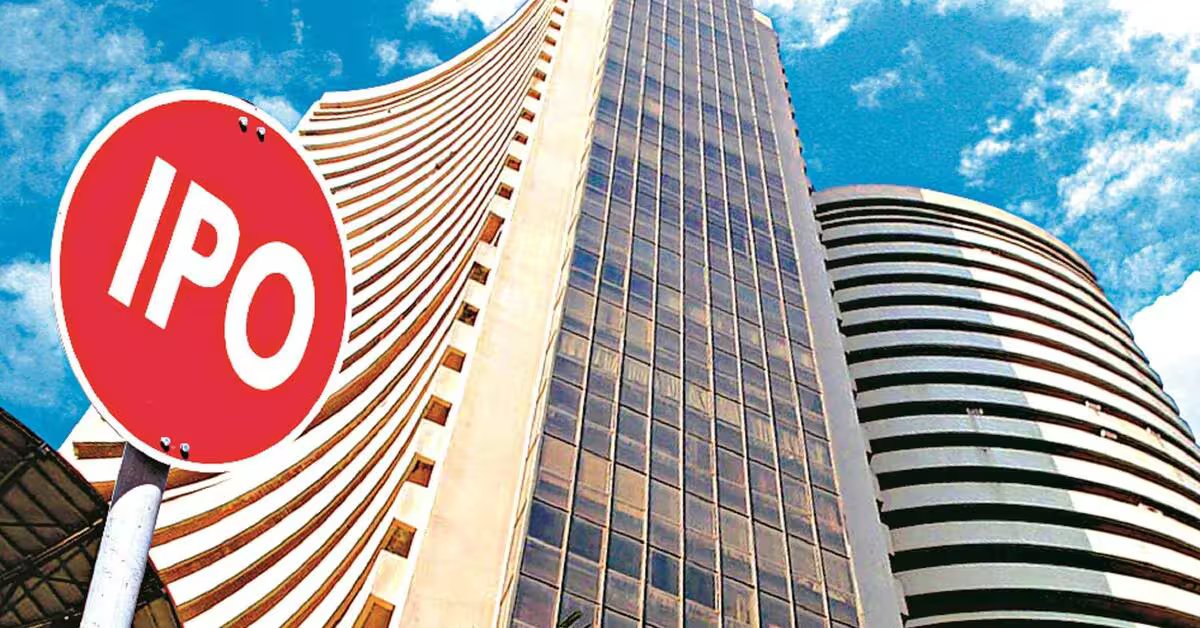
The primary market witnessed a significant surge in initial public offerings (IPOs) during Samvat 2082, raising a record ₹2.23 trillion through 375 mainboard and small and medium enterprise (SME) listings. Of these, 230 listings debuted above their issue prices. In total, mainboard IPOs contributed ₹2.12 trillion across 131 issues from October 21, 2025, to November 6, 2026, marking a 19.6% increase from the prior year’s ₹1.78 trillion.
The 131 mainboard issues reflected a 26% rise compared to the previous year. Of the total funds raised, fresh capital amounted to ₹1 trillion—a notable 42% increase from ₹70,641 crore in the prior year. The offer for sale (OFS) component also climbed to ₹1.12 trillion, up 4.8% from ₹1.07 trillion and constituted 52.8% of the total funds raised. Notable contributors included Jio Platforms, which alone raised ₹30,188 crore through fresh capital.
Experts acknowledged this fundraising milestone as a testament to the ability of Indian companies to access public capital effectively. Mahavir Lunawat of Pantomath Capital Advisors emphasized the positive implications of fresh capital being directed towards business expansion, while Vinay Jaising from ASK Private Wealth pointed out the challenges posed by IPOs competing for liquidity with the secondary market.
The financial services sector led in fundraising, securing ₹60,781 crore from 14 issues. Despite fluctuations, the median listing-day gain for mainboard IPOs was 6.8%, with notable performers including Billionbrains Garage Ventures and Meesho, which saw gains over 100%. Conversely, some firms, such as Pine Labs and SBI Funds Management, observed declines.
Looking ahead, the IPO pipeline appears promising with five IPOs recently approved by the Securities and Exchange Board of India (Sebi), indicating potential continued activity in the coming Samvat.
Why this story matters: Highlights the robust growth and potential of Indian IPOs, showcasing market confidence.
Key takeaway: Fresh capital issuance is vital for business growth, signaling a strong economy.
Opposing viewpoint: Large IPOs may compete with secondary market liquidity, raising concerns for investors.