



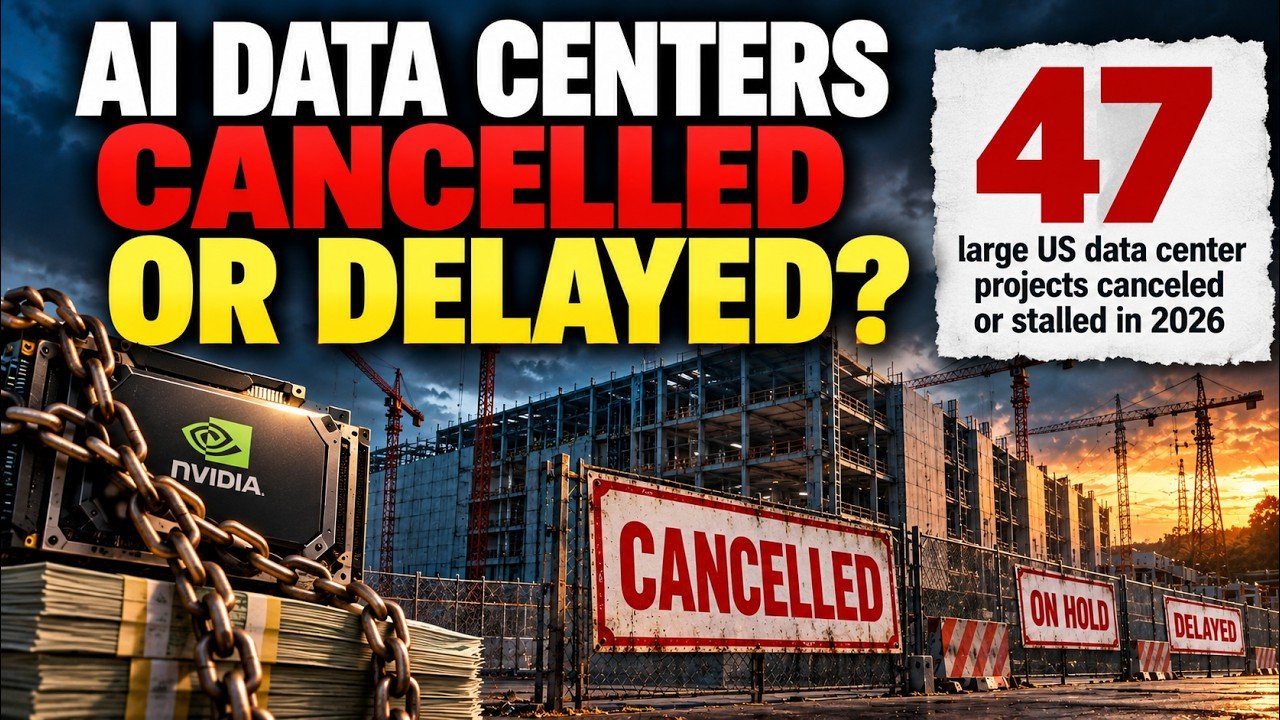
Lenders are increasing scrutiny on cash flow and construction timelines amid a recent downturn in technology stocks. Companies like CoreWeave and Nebius are feeling the effects, with CoreWeave facing challenges and Nebius halting its plans for a high-yield bond offering. Despite this, spending in the sector appears unabated. Goldman Sachs projects that debt issuance among hyperscalers could rise to $420 billion next year, a significant jump from $250 billion in 2026.
CoreWeave is set to announce earnings soon, and investors are keenly interested in its substantial backlog, reportedly valued at $104 billion. However, industry experts caution that a backlog alone does not cover the interest on large amounts of borrowed capital. With a rising demand for infrastructure from artificial intelligence companies, banks are increasingly focused on the viability of repayment from these debt holders.
As the technology sector navigates these market challenges, the questions surrounding financing and the sustainability of growth become ever more crucial.
Why this story matters: Increased scrutiny from lenders threatens the financing landscape for AI and tech companies, which could impact their growth plans.
Key takeaway: Despite a substantial backlog in orders, companies must demonstrate solid cash flow to ensure they can meet their financial obligations.
Opposing viewpoint: Some industry analysts believe that the demand for AI infrastructure will continue to drive investment despite current market volatility.