

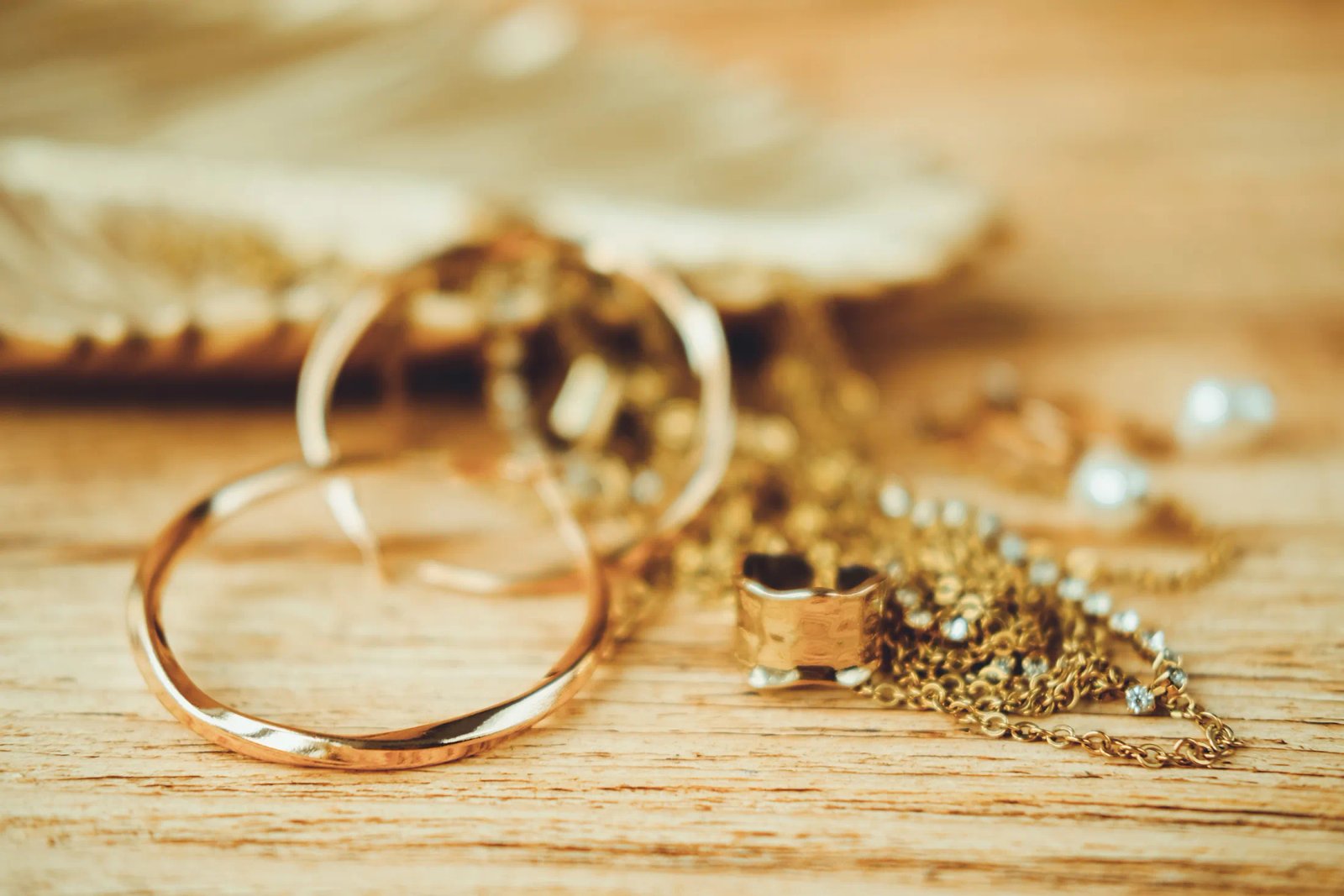
As the Great Wealth Transfer unfolds, a significant aspect is the inheritance of jewelry, which merges emotional significance with financial uncertainty. While financial assets such as brokerage accounts and real estate typically dominate discussions around wealth transfer, an equally substantial hidden wealth lies in inherited personal items, particularly gold jewelry and luxury accessories.
Research by Cerulli Associates estimates that $124 trillion will change hands through 2048, with $105 trillion going directly to heirs, primarily from baby boomers. Jewelry, often estimated to be half of all gold ever mined, poses unique challenges during inheritance. Heirs frequently struggle to determine the true financial worth of pieces received, as sentimental value often overshadows practical worth. Common questions arise, such as the authenticity of the items and their market values, complicating decisions about whether to keep, sell, or divide such assets among family members.
Furthermore, as younger generations emphasize minimalism and sustainability, they often prefer a curated selection of items rather than accumulating vast collections of inherited goods. This generational shift coincides with a rise in secondhand commerce, which is reshaping how inherited jewelry is viewed and valued. The jewelry market is poised for a transformation where pieces can be sold instead of merely being kept or discarded.
Companies like Alloy are responding to this evolving landscape by providing clear valuation tools and educational resources that help heirs understand their inherited jewelry’s worth. The aim is not just to facilitate sales but to build trust and transparency throughout the process, allowing families to navigate the legacy left by previous generations more effectively.
Why this story matters:
- This shift represents a new dimension of wealth transfer beyond traditional assets.
Key takeaway:
- Understanding the intrinsic and market value of inherited jewelry is crucial for heirs making decisions about their legacy.
Opposing viewpoint:
- Some may argue that the emotional attachment to inherited jewelry makes it less likely to be sold or circulated, regardless of its financial value.