


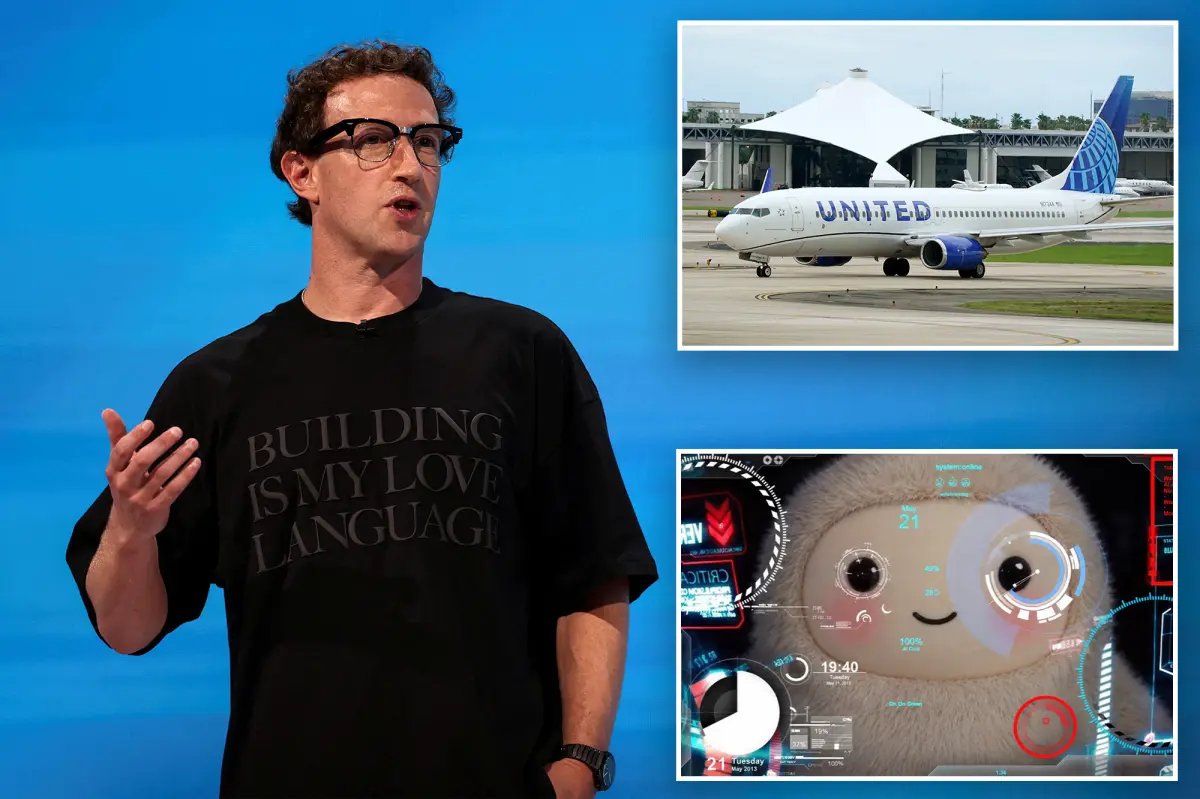
Shares of Meta experienced a decline on Wednesday following United Airlines’ decision to prohibit artificial intelligence agents from being used for flight bookings. This ban has significant implications for Meta’s new Muse agent, which was expected to be a leading use case for the technology.
The stock price dropped approximately 2%, settling at around $628 per share. United Airlines cited concerns regarding security risks and the potential violations of federal regulations as key reasons for the ban. The airline expressed unease about AI agents having access to sensitive personal information, including payment details, which they consider a risk to customer safety.
United’s CEO, Scott Kirby, articulated the airline’s focus on maintaining direct customer service, stating, “To be honest, I don’t want to create another middleman.” The airline emphasized that sharing account credentials with third-party AI assistants could lead to unauthorized transactions or changes, as well as potential breaches of federal requirements for luggage checks.
As part of its new policy, United has committed to restricting access to its digital platforms and through travel agencies, aiming to eliminate unauthorized AI bookings. This decision presents a notable challenge for Meta, which has heavily invested in AI, amidst growing skepticism from investors towards AI-centric companies.
Moreover, concerns surrounding Muse have been heightened due to previous privacy issues, with reports of exposed sensitive customer data. Other industries, such as banking and retail, are also scrutinizing the rise of AI agents and their implications for data privacy and security.
Aviation analyst Henry Harteveldt noted that United is aiming to minimize intermediaries in the booking process, aligning with their interest in maintaining cost-effective operations.
Why this story matters
- It highlights the ongoing challenges and concerns surrounding AI technology in customer service.
Key takeaway
- United Airlines’ ban on AI agents indicates a growing caution among industries regarding privacy and security risks associated with AI.
Opposing viewpoint
- While this decision prioritizes customer safety, it also limits potential efficiencies and advancements that AI could bring to the travel industry.