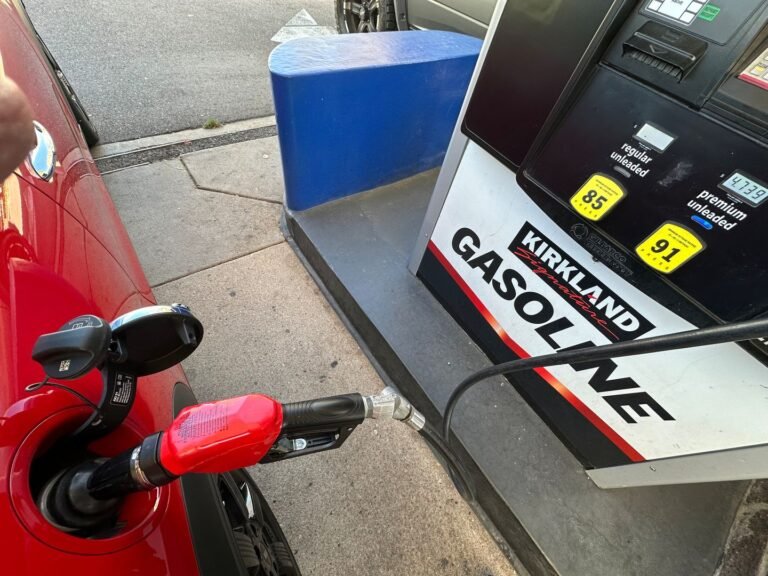

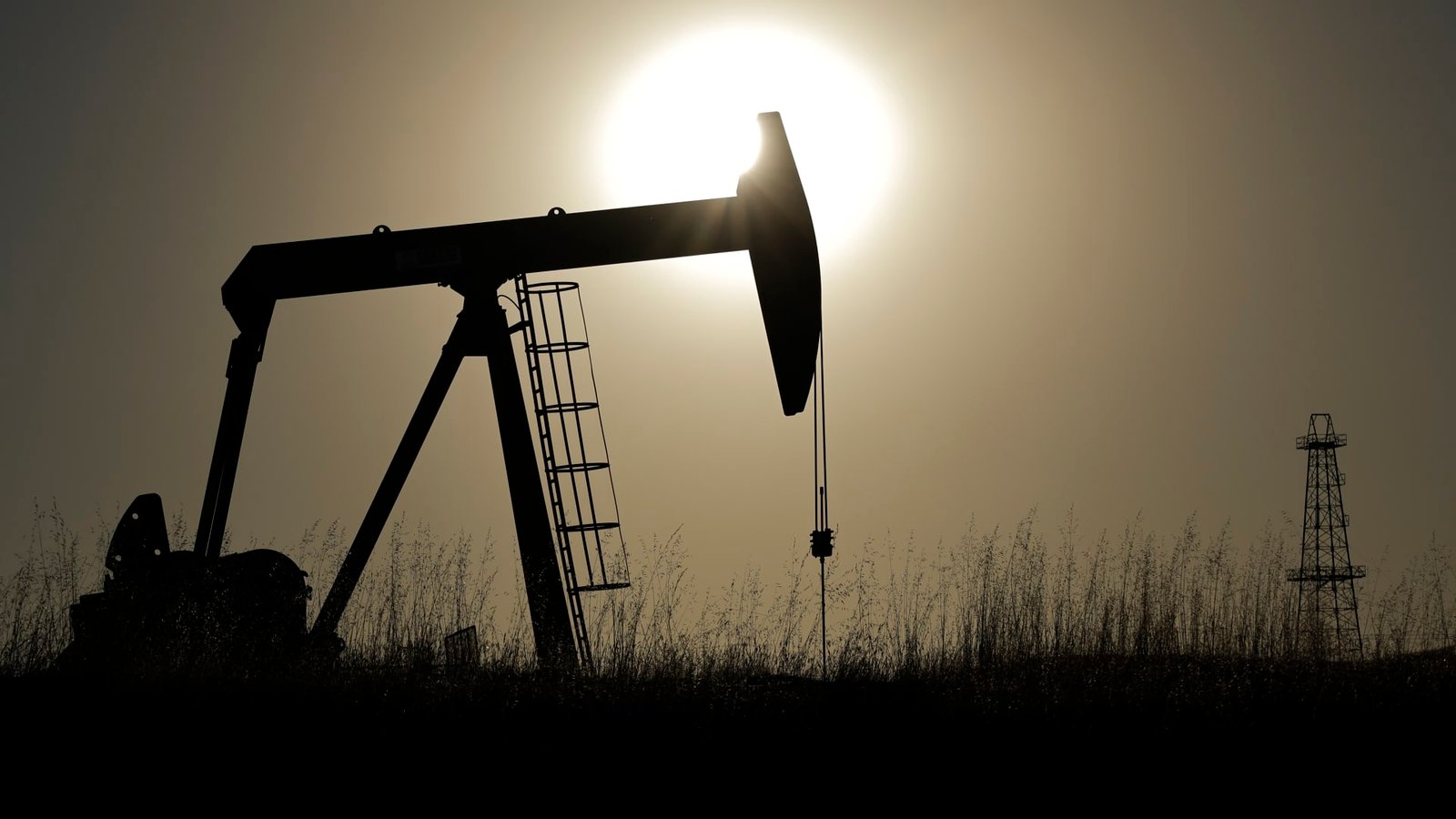
Oil prices experienced a decline on Tuesday, following U.S. President Donald Trump’s remarks indicating that military action against Iran is currently unnecessary. This statement has alleviated some concerns regarding potential disruptions to oil supply from the Middle East. On Thursday, oil prices rebounded, with Brent crude rising by 1.6% to reach $94.25 per barrel, and West Texas Intermediate futures climbing 1.3% to $87.62 per barrel.
In a post shared on Truth Social, Trump remarked, "We don’t need a deal with Iran. Those days have long since passed. We’ve got their money, Hundreds of Billions of Dollars, and we’ve got their Strait!" These comments suggest that the administration believes an economic blockade may pressure Iran into negotiations or perhaps lead to a change in regime due to economic collapse. However, market analysts like Andy Lipow, president of Lipow Oil Associates, highlight a divergence in the negotiating positions of both countries. Lipow indicated that Iran seeks an end to the blockade, lifting of sanctions, and a ceasefire, while the U.S. demands the complete dismantling of Iran’s nuclear arsenal and the assurance of free transit through the Strait of Hormuz.
The ongoing situation continues to affect global oil prices, reflecting the complex interplay between geopolitical tensions and market dynamics.
Why this story matters:
- Developments in U.S.-Iran relations significantly influence global oil supply and prices.
Key takeaway:
- President Trump’s comments have shifted market sentiment, contributing to fluctuations in oil prices.
Opposing viewpoint:
- Some analysts suggest that the pressure exerted on Iran may not lead to favorable outcomes and could exacerbate regional tensions, potentially driving prices higher.